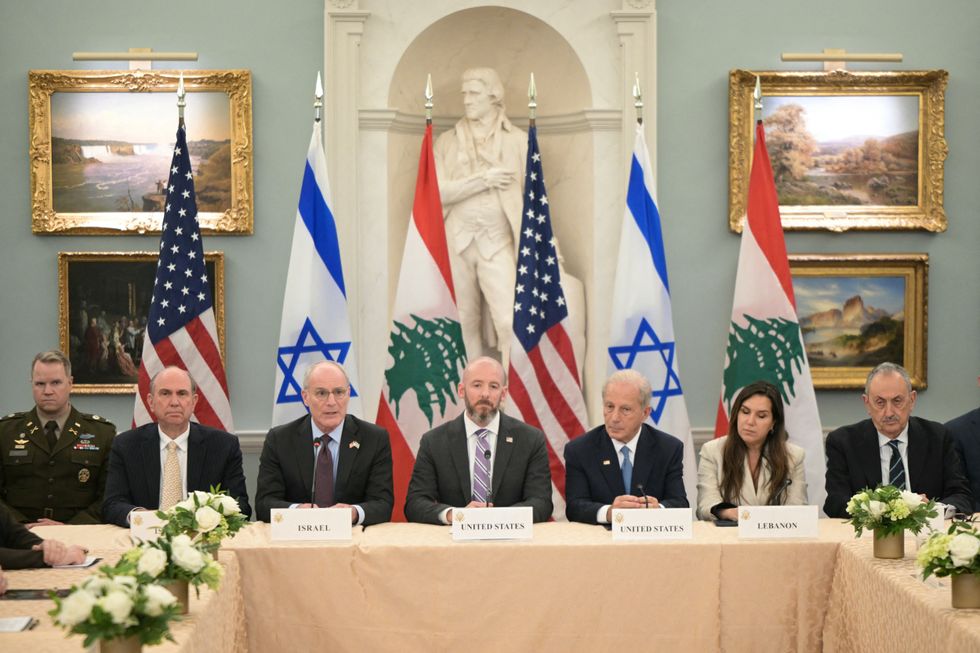
Israel and Lebanon have agreed to implement a ceasefire following a fourth round of American-mediated negotiations in Washington, the US State Department has announced.
The agreement is contingent on Hezbollah ending all attacks and withdrawing its operatives from the area between the Litani River and the Israeli border.
Under the deal, the US will help establish "pilot zones" in which the Lebanese Armed Forces would assume exclusive control, with all non-state actors barred from operating there.
"All countries reaffirmed that the future of the relationship between Israel and Lebanon must be decided by the two sovereign governments," a joint statement said.
"They rejected any attempt, by any state or non-state actor, to hold Lebanon's future hostage."
The Iran-backed militant group has yet to respond publicly to the announcement.
Further negotiations are scheduled for the week beginning June 22, with both sides aiming to reach a comprehensive settlement.
The conflict began on March 2 when Hezbollah launched rockets into Israel following a US-Israeli strike that killed Iran's Supreme Leader.
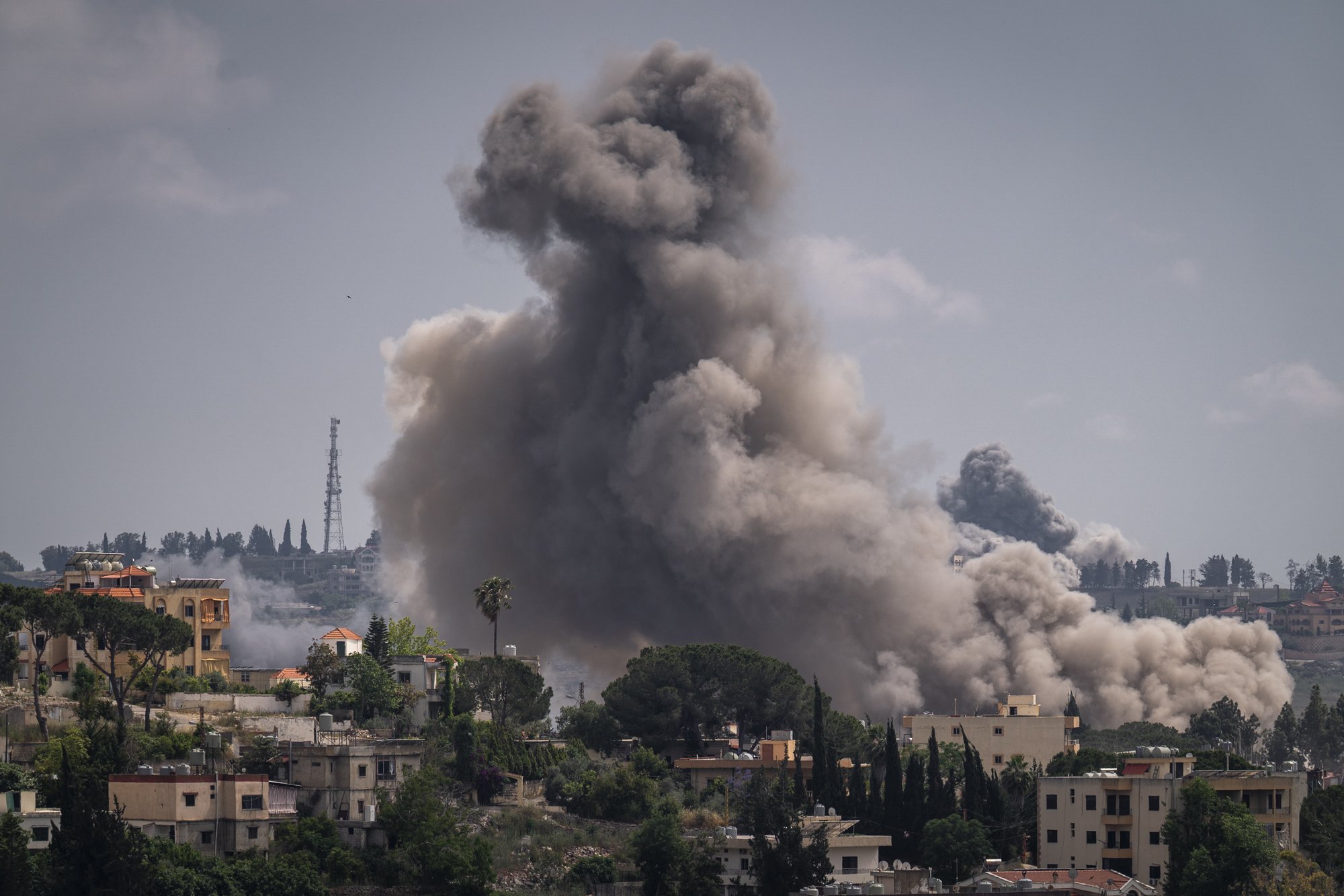
Israel responded with a large-scale aerial campaign across Lebanon before launching a ground offensive in the south.
Lebanon's health ministry says at least 3,516 people have been killed since the conflict began, although the figures do not distinguish between civilians and fighters.
More than one million Lebanese have registered as displaced with the UN, while Israeli evacuation orders now cover more than an eighth of the country.
On the Israeli side, 26 soldiers and four civilians have been killed.
ISRAEL - READ THE LATEST:
- Zack Polanski urges Labour to keep tabs on 2,000 British-Israelis
- Controversial Oxford Union president said Hamas would be 'lauded as heroes'
- Ex-Palestine activist tells GB News 'dangerous graduates are our next leaders' in stark warning
A previous US-brokered ceasefire agreed on April 16 failed to end the fighting, with both sides accusing each other of breaching the agreement.
Despite a partial ceasefire announced earlier this week, hostilities continued throughout the following days.
Israeli strikes on Wednesday killed at least nine people in southern Lebanon.
Among the dead were two paramedics whose ambulance was hit in the Chehour area, according to Lebanon's health ministry.
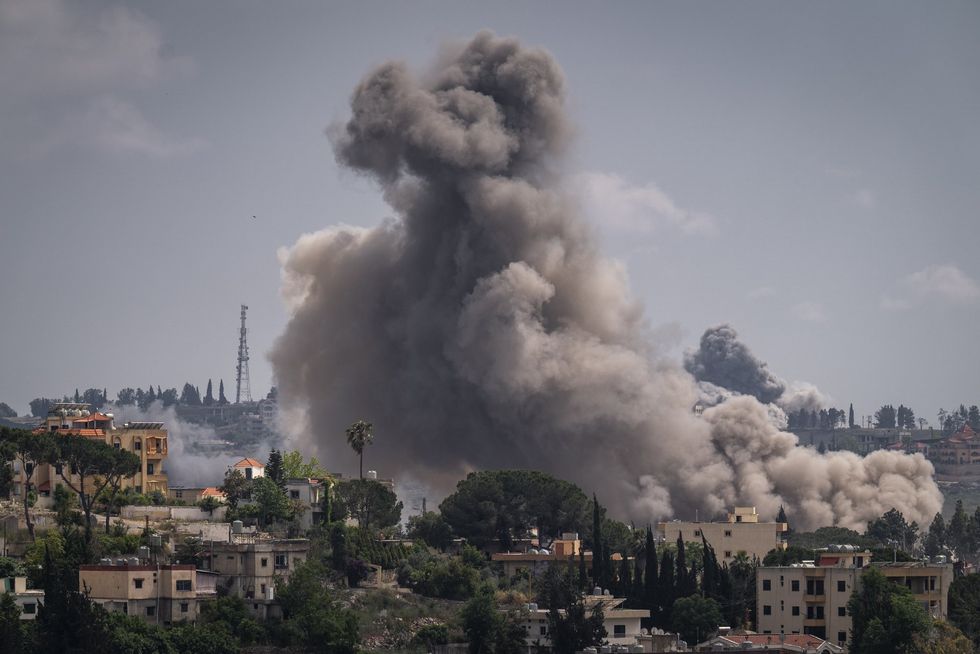
The ministry accused Israel of "demonstrating contempt for international humanitarian law" by targeting medical personnel.
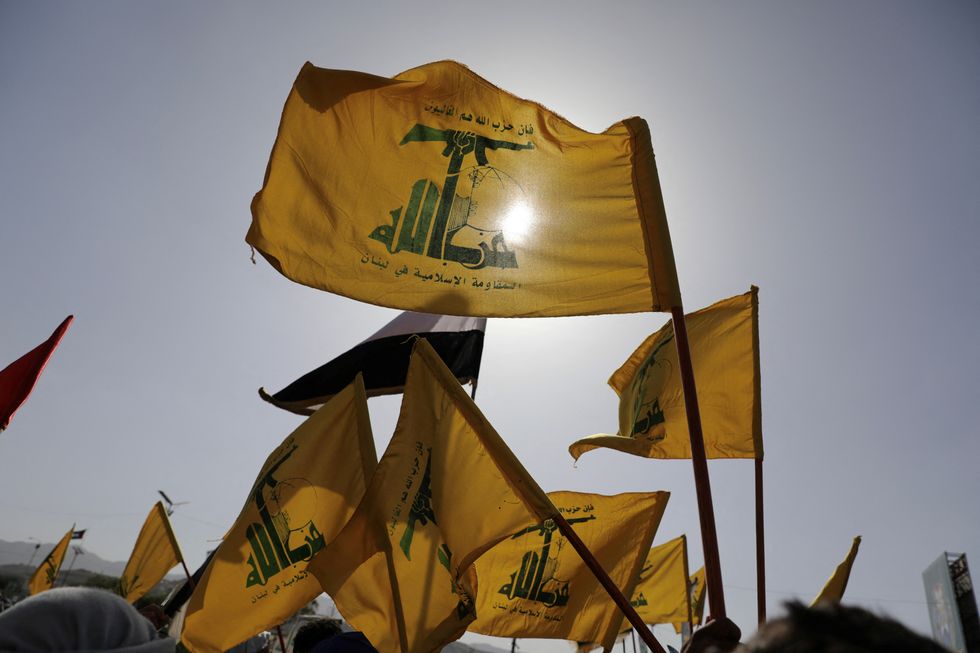
However, Hezbollah has made clear it does not consider itself bound by the Washington negotiations.
Mahmoud Qamati, a member of the group's political council, told the BBC: "We think these negotiations do not concern us, nor do we recognise their findings or decisions, because we have rejected them on principle."
The partial ceasefire earlier this week came after Donald Trump intervened directly with Benjamin Netanyahu.
"I was a little bit perturbed at his constantly fighting with Lebanon... At some point, I said: 'Bibi, we've got to stop this," Mr Trump told the New York Post's Pod Force One podcast.
Mr Netanyahu acknowledged the exchange, describing it as a "tactical disagreement" of the sort that occurs in "the best families".
Our Standards: The GB News Editorial Charter