Is China a winner of the Iran war or facing economic risks?
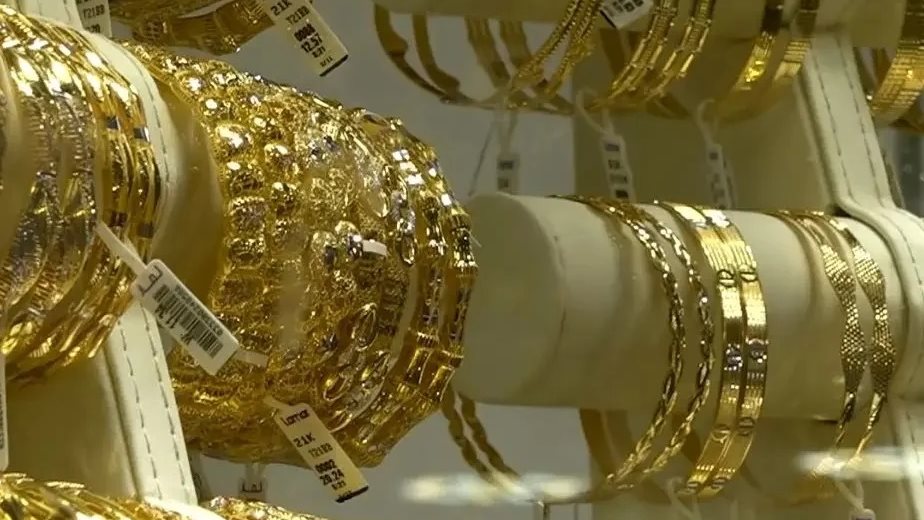
play Live Sign upShow navigation menu.css-15ru6p1{font-size:inherit;font-weight:normal;}Navigation menuNewsShow more news sectionsAfricaAsiaUS & CanadaLatin AmericaEuropeAsia PacificMiddle EastExplainedOpinionSportVideoMoreShow more sectionsFeaturesEconomyHuman RightsClimate CrisisInvestigationsInteractivesIn PicturesScience & TechnologyPodcastsTravelplay Live Click here to searchsearchSign upNavigation menucaret-leftDonald TrumpWhat to know about the SAVE ActTrump’s midterm strategyWhy did Trump fire Pam Bondi?Could the US oil blockade snuff out the Cuban cigar?caret-rightplay videoplay videoVideo Duration 02 minutes 08 seconds play-arrow02:08Counting the CostIs China a winner of the Iran war or facing economic risks?China’s economy beats expectations despite the Iran war, but weak demand and structural risks remain. China’s economy is off to a strong start this year, even as the conflict between the US, Israel and Iran disrupts global energy markets. It grew by 5 percent in the first quarter, beating expectations. But, beneath the headline numbers, the situation is more complex. Weak domestic consumption, a struggling property sector and a shrinking population are still weighing on the economy. Beijing, though, is doubling down – investing heavily in high-tech industries and green energy, where it already dominates global supply chains. And as the Iran war reshapes energy flows, China may be more insulated than most. xwhatsapp-strokecopylinkgoogleAdd Al Jazeera on GoogleinfoMore from the same showIs Iran’s economy buckling under war pressure or holding up?Video Duration 29 minutes 00 seconds play-arrow29:00Who controls the Strait of Hormuz?Video Duration 28 minutes 40 seconds play-arrow28:40Can global supply chains recover from the Iran war?Video Duration 27 minutes 50 seconds play-arrow27:50Can Africa tackle the oil shock from the Iran war?Video Duration 27 minutes 40 seconds play-arrow27:40Can Russia help fill the global energy gap?Video Duration 27 minutes 50 seconds play-arrow27:50What can nations do to make up for the ongoing energy shortfall?Video Duration 28 minutes 45 seconds play-arrow28:45Is Europe heading to an energy crisis?Video Duration 28 minutes 05 seconds play-arrow28:05AboutAboutShow moreAbout UsCode of EthicsTerms and ConditionsEU/EEA Regulatory NoticePrivacy PolicyCookie PolicyCookie PreferencesAccessibility StatementSitemapWork for usConnectConnectShow moreContact UsUser Accounts HelpAdvertise with usStay ConnectedNewslettersChannel FinderTV SchedulePodcastsSubmit a TipPaid Partner ContentOur ChannelsOur ChannelsShow moreAl Jazeera ArabicAl Jazeera EnglishAl Jazeera Investigative UnitAl Jazeera MubasherAl Jazeera DocumentaryAl Jazeera BalkansAJ+Our NetworkOur NetworkShow moreAl Jazeera Centre for StudiesAl Jazeera Media InstituteLearn ArabicAl Jazeera Centre for Public Liberties & Human RightsAl Jazeera ForumAl Jazeera Hotel PartnersFollow Al Jazeera English:المصدر: Al Jazeera English | Source: Al Jazeera English
ملاحظة تحريرية | Editorial Note: نُشر هذا المقال في الأصل بواسطة Al Jazeera English. خبر (Khabr) هي منصة إعلامية أردنية مرخّصة تعمل بالذكاء الاصطناعي. نضيف قيمة تحريرية من خلال: تحليل ذكي للأخبار، ملخصات تلقائية، رواية صوتية بالذكاء الاصطناعي، ترجمة متعددة اللغات، وتدقيق الحقائق. هدفنا جعل الأخبار أكثر وضوحاً وسهولةً للقارئ العربي.
This article was originally published by Al Jazeera English. Khabr is a licensed Jordanian AI-powered news platform (Registration #82086). We add editorial value through: AI-powered news analysis, automated summaries, AI audio narration, multi-language translation (Arabic, English, French, Turkish), and AI fact-checking. Our mission is to make news more accessible and understandable for Arabic-speaking audiences worldwide.