Iraq signs deals with Western oil firms, including to revive Syria pipeline
•play Live Sign upShow navigation menuNavigation menuNewsShow more news sectionsAfricaAsiaUS & CanadaLatin AmericaEuropeAsia PacificWorld CupMiddle EastExplainedOpinionVideoMoreShow more sectionsFeatur...
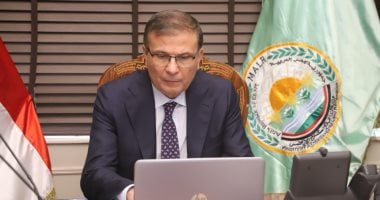
•xwhatsapp-strokecopylinkgoogleAdd Al Jazeera on GoogleinfoIraqi Prime Minister Ali al-Zaidi speaks at a US-Iraq business summit at the US Chamber of Commerce, in Washington, DC, on July 17 [Rod Lamkey...
•The preliminary deals, signed at a United States-Iraq business summit at the US Chamber of Commerce in Washington on Friday, come as Baghdad seeks to move away from dependence on the Strait of Hormuz,...
هذا الخبر من Al Jazeera English. خبر يقدم أدوات ذكاء اصطناعي للتلخيص والترجمة والاستماع.
play Live Sign upShow navigation menuNavigation menuNewsShow more news sectionsAfricaAsiaUS & CanadaLatin AmericaEuropeAsia PacificWorld CupMiddle EastExplainedOpinionVideoMoreShow more sectionsFeaturesEconomySportHuman RightsClimate CrisisInvestigationsInteractivesIn PicturesScience & TechnologyPodcastsTravelSponsored Contentplay Live Click here to searchsearchSign upNavigation menucaret-leftTrendingUS-Israel war on IranWorld Cup 2026Tracking Israel's ceasefire violationsDonald Trumpcaret-rightNews|EnergyIraq signs deals with Western oil firms, including to revive Syria pipelineDeal with Chevron aims to rebuild a crude oil pipeline that runs from Iraq’s oil-rich Kirkuk to Syria’s Baniyas. xwhatsapp-strokecopylinkgoogleAdd Al Jazeera on GoogleinfoIraqi Prime Minister Ali al-Zaidi speaks at a US-Iraq business summit at the US Chamber of Commerce, in Washington, DC, on July 17 [Rod Lamkey Jr/AP Photo]By Reuters and The Associated PressPublished On 17 Jul 202617 Jul 2026Iraq’s government has struck dozens of agreements with Western oil companies, including to restore an energy supply route Baghdad could use to export its oil without the Strait of Hormuz. The preliminary deals, signed at a United States-Iraq business summit at the US Chamber of Commerce in Washington on Friday, come as Baghdad seeks to move away from dependence on the Strait of Hormuz, where transit has been heavily disrupted due to the US-Israel war against Iran. Iraq and Syria signed a cooperation agreement to reconstruct the long-defunct Iraq-Syria crude oil pipeline, which runs from the oil-rich Kirkuk region in northern Iraq to Syria’s Mediterranean port of Baniyas. Iraq’s state news agency reported that major US energy company Chevron would carry out the project under the agreement. In a statement, the US Department of State said it welcomed Iraq and Syria’s plan to rehabilitate the pipeline, which it said a “US-led international consortium” would “execute the technical and financial aspects” of. “Upon rehabilitation, this groundbreaking project will have an initial transport capacity of 2 million barrels per day of crude oil,” said the State Department. It called the pipeline “a critical energy corridor linking Iraqi oil production to Mediterranean export markets and beyond”. US ambassador to Turkiye Tom Barrack said Iraq’s latest oil pipeline agreements would lead to a programme “that will make the Strait of Hormuz an afterthought”. In addition to the Syria pipeline project, Chevron signed two other agreements with Iraq focused on boosting oil production, said the company’s president of corporate business development, Jake Spiering. Iraq’s government also signed an official agreement with Starlink, owned by Elon Musk’s SpaceX, to operate formally in the country, reported Iraqi state media. In total, Iraqi officials’ initial agreements with US firms, spanning the fields of energy, healthcare and technology, are worth more than $60bn, reported the Reuters news agency. “We are using an open-door policy,” Iraqi Prime Minister Ali al-Zaidi said through a translator at the Washington summit. “Everybody who has a project can come and talk to us. We will not make it difficult for anyone.” Advertisement AboutAboutShow moreAbout UsCode of EthicsTerms and ConditionsEU/EEA Regulatory NoticePrivacy PolicyCookie PolicyCookie PreferencesAccessibility StatementSitemapWork for usConnectConnectShow moreContact UsUser Accounts HelpAdvertise with usStay ConnectedNewslettersChannel FinderTV SchedulePodcastsSubmit a TipPaid Partner ContentOur ChannelsOur ChannelsShow moreAl Jazeera ArabicAl Jazeera EnglishAl Jazeera Investigative UnitAl Jazeera MubasherAl Jazeera DocumentaryAl Jazeera BalkansAJ+Our NetworkOur NetworkShow moreAl Jazeera Centre for StudiesAl Jazeera Media InstituteLearn ArabicAl Jazeera Centre for Public Liberties & Human RightsAl Jazeera ForumAl Jazeera Hotel PartnersFollow Al Jazeera English:المصدر: Al Jazeera English | Source: Al Jazeera English
ملاحظة تحريرية | Editorial Note: نُشر هذا المقال في الأصل بواسطة Al Jazeera English. خبر (Khabr) هي منصة إعلامية أردنية مرخّصة تعمل بالذكاء الاصطناعي. نضيف قيمة تحريرية من خلال: تحليل ذكي للأخبار، ملخصات تلقائية، رواية صوتية بالذكاء الاصطناعي، ترجمة متعددة اللغات، وتدقيق الحقائق. هدفنا جعل الأخبار أكثر وضوحاً وسهولةً للقارئ العربي.
This article was originally published by Al Jazeera English. Khabr is a licensed Jordanian AI-powered news platform (Registration #82086). We add editorial value through: AI-powered news analysis, automated summaries, AI audio narration, multi-language translation (Arabic, English, French, Turkish), and AI fact-checking. Our mission is to make news more accessible and understandable for Arabic-speaking audiences worldwide.