Iran's new payment system in Strait of Hormuz reduces traffic, global oil flows
المصدر: Khaleej Times | Source: Khaleej TimesIran’s system requiring approvals and payments for ships to pass through the Strait of Hormuz is already reducing traffic and constraining global oil flows, experts say.
Analysts warn that the slowdown is not unexpected, with Iran using access to the waterway as leverage in ongoing negotiations, limiting transit and tightening supply at a critical moment for global energy markets.
“The ceasefire is welcome news as we have avoided, for the moment, a large escalation,” Antonio Fatas, professor of economics at INSEAD, told Khaleej Times. “But the details of what it entails and the different interpretations mean that much uncertainty remains.”
Stay up to date with the latest news. Follow KT on WhatsApp Channels.
He noted that Iran has planned to introduce a system since the start of the ceasefire requiring approvals and payments for ships to pass through the Strait, a move that is already reducing traffic.
“This is the only lever that Iran has in the negotiations,” he said, adding that flows are likely to remain restricted in the short term. “That means lower oil flows over the coming days and the need to scramble for alternative sources.”
On Wednesday, the US President Donald Trump announced that he will extend the ceasefire until Iran can submit a unified proposal on the request of Pakistan.
Since the start of the conflict, Iran has tightened control over the Strait of Hormuz, a critical corridor that typically carries around 20 per cent of global oil supply. Passage has been made conditional, with Tehran signalling that access can be used as a negotiating tool.
The UAE Minister of Industry and Advanced Technology and Adnoc chief Sultan Al Jaber has earlier called for the full and unconditional reopening of the Strait, warning that restrictions are compounding disruptions across global markets.
On Sunday, he made similar comments, saying that 50 days of blockade has resulted in the disruption of nearly 600 million barrels of oil.
'Delayed flows, uneven recovery'
Even if restrictions are eased, analysts say the release of these cargoes will take time to translate into actual supply.
Sergey Pigarev, senior equity analyst at Freedom Finance Global, said exports from the Gulf could rise by 5 million barrels per day in the first week after a full reopening, potentially exceeding pre-war levels. However, the impact will not be immediate and will be distributed over time, he added.
The analyst pointed to shipping timelines that stretch from over a week for India to up to a month for China and other North Asian markets. This staggered delivery means global inventories are likely to recover gradually rather than all at once, prolonging volatility in oil markets.
Alternative export routes offer only partial relief.
Saudi Arabia and the UAE can reroute some crude through pipelines, but combined capacity remains significantly below typical volumes shipped through the Strait. Other producers, including Iraq and Kuwait, have limited ability to redirect flows, contributing to production declines during the disruption.
'Short-term squeeze, longer-term questions'
Fatas, the professor at INSEAD, said there is some optimism that negotiations could lead to a more stable arrangement in the coming weeks, potentially allowing for resumed flows under revised conditions. But in the near term, supply constraints are expected to persist.
“There is still a shortage of oil coming from that part of the world for the coming weeks,” he said.
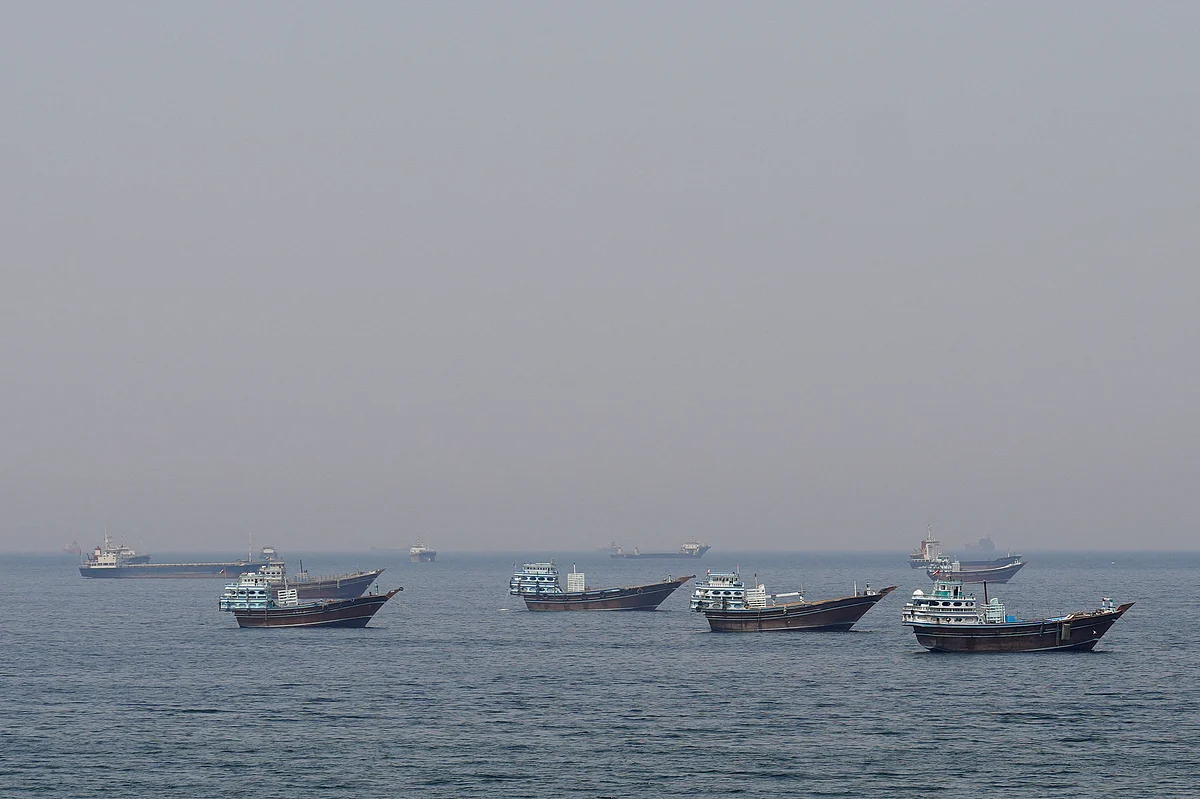
With hundreds of vessels waiting and transit still restricted, the gap between expected and actual supply is widening. As the ceasefire deadline approaches, markets are left watching not just whether the Strait fully reopens, but how quickly normal flows can resume once it does.
ملاحظة تحريرية | Editorial Note: نُشر هذا المقال في الأصل بواسطة Khaleej Times. خبر (Khabr) هي منصة إعلامية أردنية مرخّصة تعمل بالذكاء الاصطناعي. نضيف قيمة تحريرية من خلال: تحليل ذكي للأخبار، ملخصات تلقائية، رواية صوتية بالذكاء الاصطناعي، ترجمة متعددة اللغات، وتدقيق الحقائق. هدفنا جعل الأخبار أكثر وضوحاً وسهولةً للقارئ العربي.
This article was originally published by Khaleej Times. Khabr is a licensed Jordanian AI-powered news platform (Registration #82086). We add editorial value through: AI-powered news analysis, automated summaries, AI audio narration, multi-language translation (Arabic, English, French, Turkish), and AI fact-checking. Our mission is to make news more accessible and understandable for Arabic-speaking audiences worldwide.