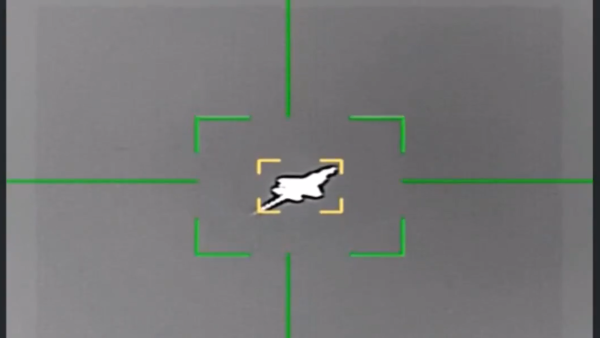
"Iran's ground jet hunter" strikes back, challenging US sky dominance
المصدر: البوابة | Source: البوابةALBAWABA - Assumptions regarding Iran's air supremacy in the area have been called into question by recent reports of American fighter planes being attacked above Iranian airspace.
Although U.S. sources subsequently suggested the aircraft may have been an F-15E Strike Eagle, Iranian officials first claimed a modern F-35 fighter jet was shot down over central Iran. Additional allegations of airborne encounters, including damage to other aircraft during rescue attempts, have surfaced since the tragedy.
System of Layers for Defense
Iran's multi-layered air defense network is cited by military analysts as a major contributing reason to these developments. The system enables coordinated airborne target identification and engagement by combining domestically created technology like the Bavar-373 with foreign platforms like the S-300.
Early warning radars that can detect threats at great distances—including those with diminished radar visibility—support these systems.
Difficulties with Advanced Aircraft
Experts point out that even while stealth aircraft, such as the F-35, are meant to avoid detection, they can still be exposed due to integrated defensive systems and specific operating conditions. Because of their greater radar and heat signals, non-stealth aircraft like the F-15 are often easier to see.
Strategic Consequences
The events that have been recorded indicate that Iranian airspace is still fiercely contested, which might need adjustments to U.S. operations tactics. This might involve changing flight patterns, using more on long-range weaponry, and using support systems like electronic warfare and surveillance more frequently.
Impact on the Economy and Region
The issue has economic ramifications in addition to military ones. Global energy markets have already been impacted by rising tensions due to worries about the safety of vital routes like the Strait of Hormuz.
Analysts caution that any escalation might raise operating costs and prolong regional instability, impacting global energy supply chains as well as defense spending.
ملاحظة تحريرية | Editorial Note: نُشر هذا المقال في الأصل بواسطة البوابة. خبر (Khabr) هي منصة إعلامية أردنية مرخّصة تعمل بالذكاء الاصطناعي. نضيف قيمة تحريرية من خلال: تحليل ذكي للأخبار، ملخصات تلقائية، رواية صوتية بالذكاء الاصطناعي، ترجمة متعددة اللغات، وتدقيق الحقائق. هدفنا جعل الأخبار أكثر وضوحاً وسهولةً للقارئ العربي.
This article was originally published by البوابة. Khabr is a licensed Jordanian AI-powered news platform (Registration #82086). We add editorial value through: AI-powered news analysis, automated summaries, AI audio narration, multi-language translation (Arabic, English, French, Turkish), and AI fact-checking. Our mission is to make news more accessible and understandable for Arabic-speaking audiences worldwide.