Iran war forces petrol and diesel drivers to pay £1.7billion more than EV owners as fuel prices soar
Petrol and diesel owners are paying hundreds of pounds extra to stay on the road as a result of huge fuel price hikes more than 100 days on from the start of the Iran war.
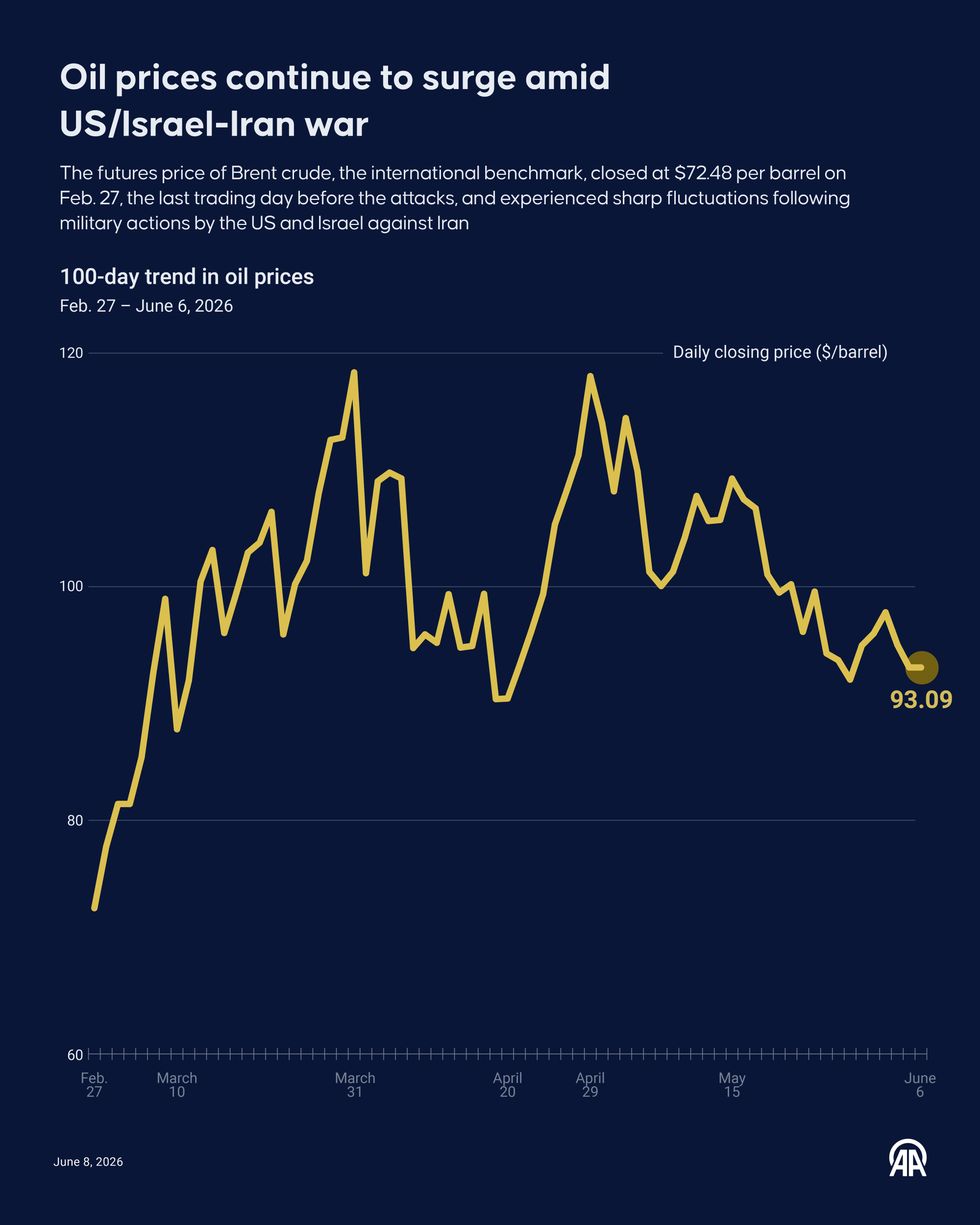
Since the conflict in the Middle East began on February 28, the price of oil has spiralled amid disruption in the Strait of Hormuz and fears of further escalation.
Petrol and diesel drivers are increasingly paying the price for the conflict at the pump, with emergency measures being introduced by governments across the world.
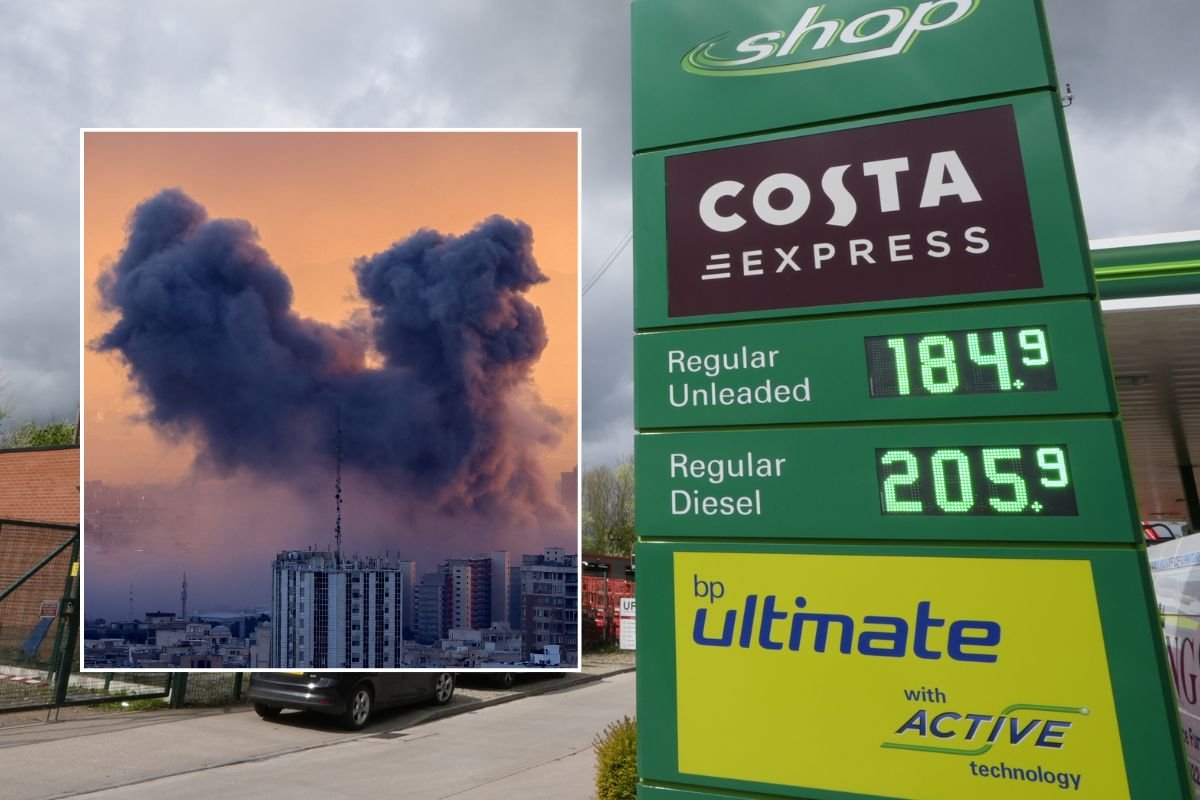
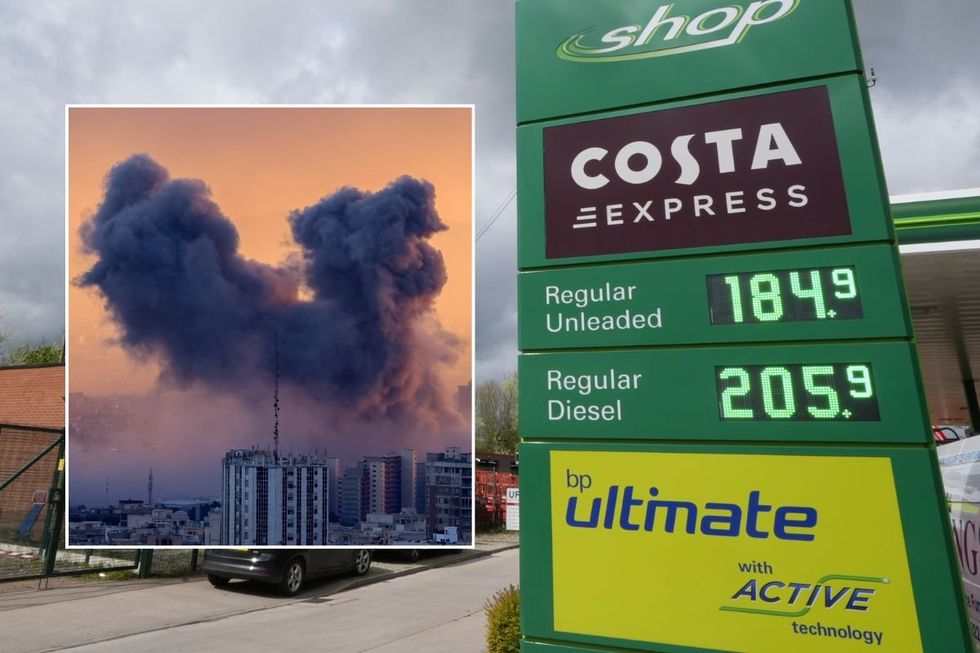
Petrol is now 27p more expensive per litre than when the conflict broke out, while diesel has jumped a staggering 43p a litre.
Fresh analysis shows that these prices have added £1.7billion to the cost of running the nation's fleet of petrol and diesel cars in the first 100 days of the Iran war.
On average, petrol car owners have paid £175 more than if they had been driving an electric car, while diesel vehicle motorists have faced costs £255 higher than EV owners.
Over the last 101 days, drivers running petrol and diesel vehicles have paid more than £6.3billion in additional fuel prices than if they had been EVs.
Colin Walker, head of transport at the Energy and Climate Intelligence Unit (ECIU), noted that changing electric vehicle policies would leave families stuck with huge fuel costs.
He added: "The numbers speak for themselves - the savings that come from driving an EV were already significant before the war started; the closure of the Strait of Hormuz has made them even more so.
"EV policy has helped drive competition between manufacturers to the point where both new and second-hand EVs are cheaper than their petrol equivalents - and with pump prices high, sales are surging."
Recent data from the Society of Motor Manufacturers and Traders shows that almost 44,000 new electric cars were registered in the UK last month.
With an impressive market share of 27.3 per cent, electric cars are eating into petrol's control of the market, with it falling to just 41.2 per cent.
LATEST DEVELOPMENTS
- M25 chaos: Drivers facing two-hour delays and 10 miles of traffic after huge diesel spill
- Motorhome owners could benefit from overnight parking ban U-turn at popular tourist site
- BYD prepares for imminent UK launch of electric car technology that charges EVs in just FIVE minutes
Sales of electric vehicles have jumped to 220,000 so far this year, with registrations jumping 24.3 per cent compared to the same time last year.
In the same time period, new petrol registrations have dropped 2.5 per cent, while diesel car sales are down 7.4 per cent year-to-date.
Labour's Electric Car Grant has also helped to stimulate growth in the EV market, with drivers able to save up to £3,750 off the price of a new zero emission vehicle.
The Department for Transport states that more than 110,000 drivers have made use of the Electric Car Grant since it was announced almost a year ago.
Data from the ECIU forecasts that running costs for petrol and diesel cars, compared to EVs, would be over £23billion if the current elevated levels last a year.
Mr Walker emphasised that plug-in hybrids are "not an effective answer" to people's fears around the cost of living crisis.
He added: "Despite industry claims to the contrary, policy targets are being met, and any further attempts to water them down risk incentivising manufacturers to sell more PHEVs, which cost more to buy than an EV, and significantly more to run than their manufacturers claim.
"Watering the targets down would also mean fewer EVs on the second-hand market where most of us buy our cars, and where regular families can save hundreds of pounds, even thousands, a year on their driving bills."
Our Standards: The GB News Editorial Charter