⚡ عاجل: كريستيانو رونالدو يُتوّج كأفضل لاعب كرة قدم في العالم●⚡ أخبار عاجلة تتابعونها لحظة بلحظة على خبر●⚡ تابعوا آخر المستجدات والأحداث من حول العالم●
AI اقتراحات ذكية
AI مباشر|--مشاهد مباشر
893,787مقال401مصدر نشط228قناة مباشرة4,956خبر اليوم
آخر تحديث:منذ ثانيتين
Iran-US talks hit snag, as Tehran rejects second round of talks in Islamabad over naval blockade
The Iran-US talks hosted in Pakistan hit a snag as Tehran refused to attend a second round in Islamabad, protesting Washington's ongoing naval blockade of its ports and the Strait of Hormuz.
Late on Sunday (April 19) Iran rejected the second round of talks with the US in Pakistan, state media reported, citing a US naval blockade as the main "obstacle".
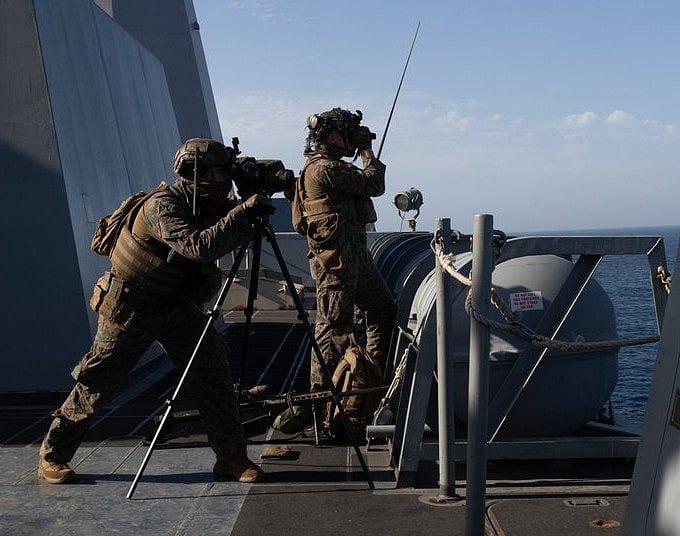
On Sunday, after repeated warnings from the guided-missile destroyer USS Spruance to stop, the US Navy fired on and seized an Iranian-flagged cargo ship Touska that attempted to breach a US naval blockade in the Gulf of Oman, marking a sharp escalation in already high tensions over control of strategic Middle East waterways.
U.S. forces operating in the Arabian Sea enforced naval blockade measures against an Iranian-flagged cargo vessel attempting to sail toward an Iranian port, April 19.
US forces reportedly disabled the ship’s engine room before boarding and taking the vessel into custody, Trump said. Marines are reportedly inspecting the ship’s cargo.
The official IRNA news agency said Tehran saw “no clear prospect for productive negotiations under the current circumstances.”
Iran’s stance hardened amid the ongoing blockade of its ports and the Strait of Hormuz, even as US President Donald Trump expressed optimism about reaching a deal.
Tasnim News Agency earlier reported that Tehran had not finalised whether to send a delegation to Islamabad.
The boycott follows a fragile ceasefire after weeks of US-Iran hostilities.
Pakistan mediated the first round and has offered to host the second.
Iranian state media, including Tasnim, and Foreign Ministry spokesperson Ismaeil Baqaei, reported the boycott, calling the US blockade a "breach of the Pakistan-mediated ceasefire" and "piracy" that violates UN resolutions.
Baqaei warned of "reciprocal measures" if violations persist. Iranian Navy chief Shahram Irani dismissed Trump's actions as "empty words" targeting allies, not Iran.
The standoff follows a fragile 2-week ceasefire after six weeks of hostilities.
President Trump announced a US delegation would proceed to Pakistan on Tuesday (April 21) despite Iran's threat of a no-show, hinting at threats to Iran's power grid if no deal emerges.
Tehran demands the blockade lift first, citing "lack of trust" and "excessive US demands" on nuclear issues and Hormuz access, per reports from Mizan Online and IRNA.
Iranian officials insist the strait remains under their "supervision" and "open" to commercial traffic, but US enforcement has seized vessels.
Diplomatic sources indicate Pakistan's army chief visited Tehran on April 15 to salvage talks, but deep divisions linger.
With the ceasefire deadline ending April 22, analysts warn of escalation risks, including proxy attacks or renewed blockades, as oil prices fluctuate post-Hormuz reopening.
Blockade still on
No breakthrough was reported as of April 20.
The US maintains the blockade as leverage for a broader deal on Iran's nuclear programme and regional proxies.
ملاحظة تحريرية | Editorial Note:
نُشر هذا المقال في الأصل بواسطة Gulf News.
خبر (Khabr) هي منصة إعلامية أردنية مرخّصة تعمل بالذكاء الاصطناعي.
نضيف قيمة تحريرية من خلال: تحليل ذكي للأخبار، ملخصات تلقائية، رواية صوتية بالذكاء الاصطناعي، ترجمة متعددة اللغات، وتدقيق الحقائق.
هدفنا جعل الأخبار أكثر وضوحاً وسهولةً للقارئ العربي.
This article was originally published by Gulf News.
Khabr is a licensed Jordanian AI-powered news platform (Registration #82086).
We add editorial value through: AI-powered news analysis, automated summaries, AI audio narration, multi-language translation (Arabic, English, French, Turkish), and AI fact-checking.
Our mission is to make news more accessible and understandable for Arabic-speaking audiences worldwide.
هذا الخبر ضمن تغطية خبر لقسم سياسة.
نقدّم لك تحليلات ذكية وملخصات يومية لأهم الأخبار من مصادر موثوقة متعددة.
المصدر: Gulf News.
يوجد 6 مقالات مرتبطة بهذا الموضوع.
This article is part of Khabr's coverage of Politics.
We provide AI-powered analysis, summaries, and multi-source aggregation to keep you informed.
Source: Gulf News.
Tags: Iran, US, naval blockade, talks.
🍪 نستخدم ملفات تعريف الارتباط لتحسين تجربتك وعرض الإعلانات المخصصة. باستخدامك للموقع، فإنك توافق على سياسة ملفات تعريف الارتباط وسياسة الخصوصية.
We use cookies to enhance your experience and show personalized ads. By using this site, you agree to our Cookie Policy and Privacy Policy.
🔍
FREEFree 1GB Internet + Free International Calls
$1 trial — eSIM in 190+ countries — No roaming charges