⚡ عاجل: كريستيانو رونالدو يُتوّج كأفضل لاعب كرة قدم في العالم●⚡ أخبار عاجلة تتابعونها لحظة بلحظة على خبر●⚡ تابعوا آخر المستجدات والأحداث من حول العالم●
AI اقتراحات ذكية
AI مباشر|--مشاهد مباشر
845,629مقال403مصدر نشط224قناة مباشرة4,804خبر اليوم
آخر تحديث:منذ ثانية
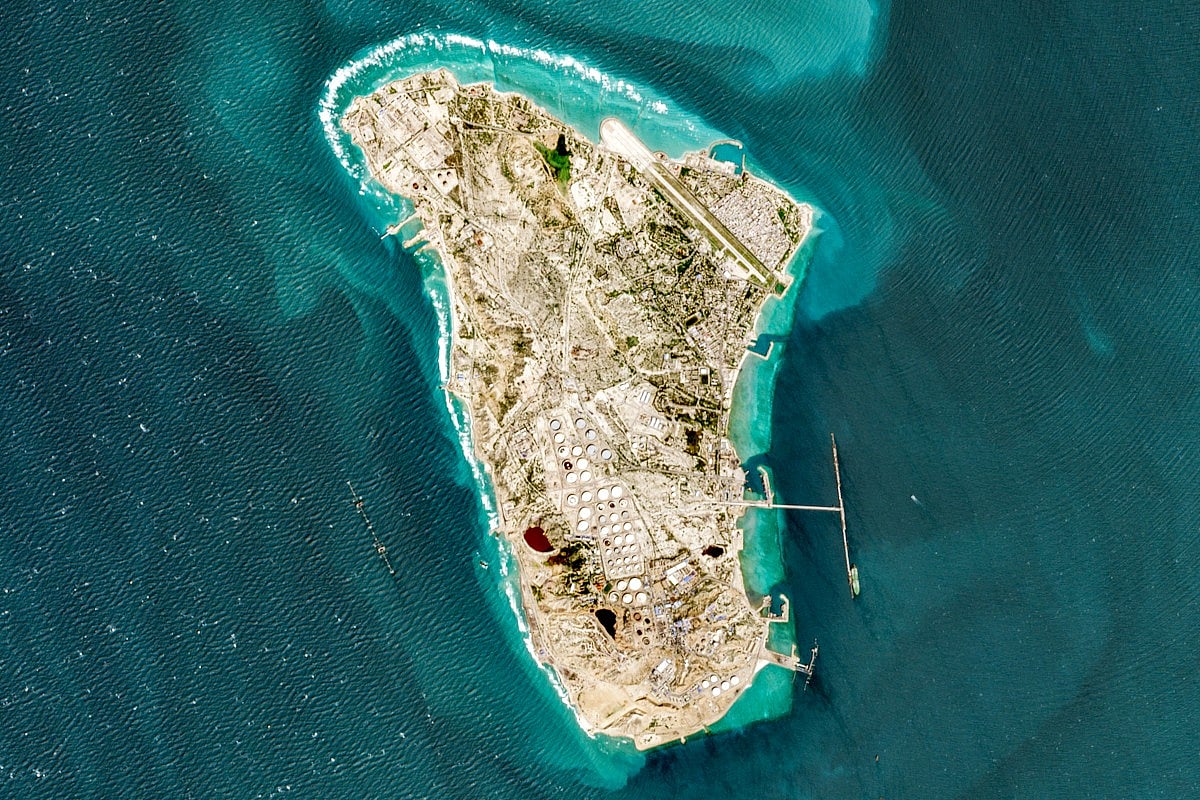
Iran scrambles to store more oil as Kharg Island nears capacity under blockade pressure
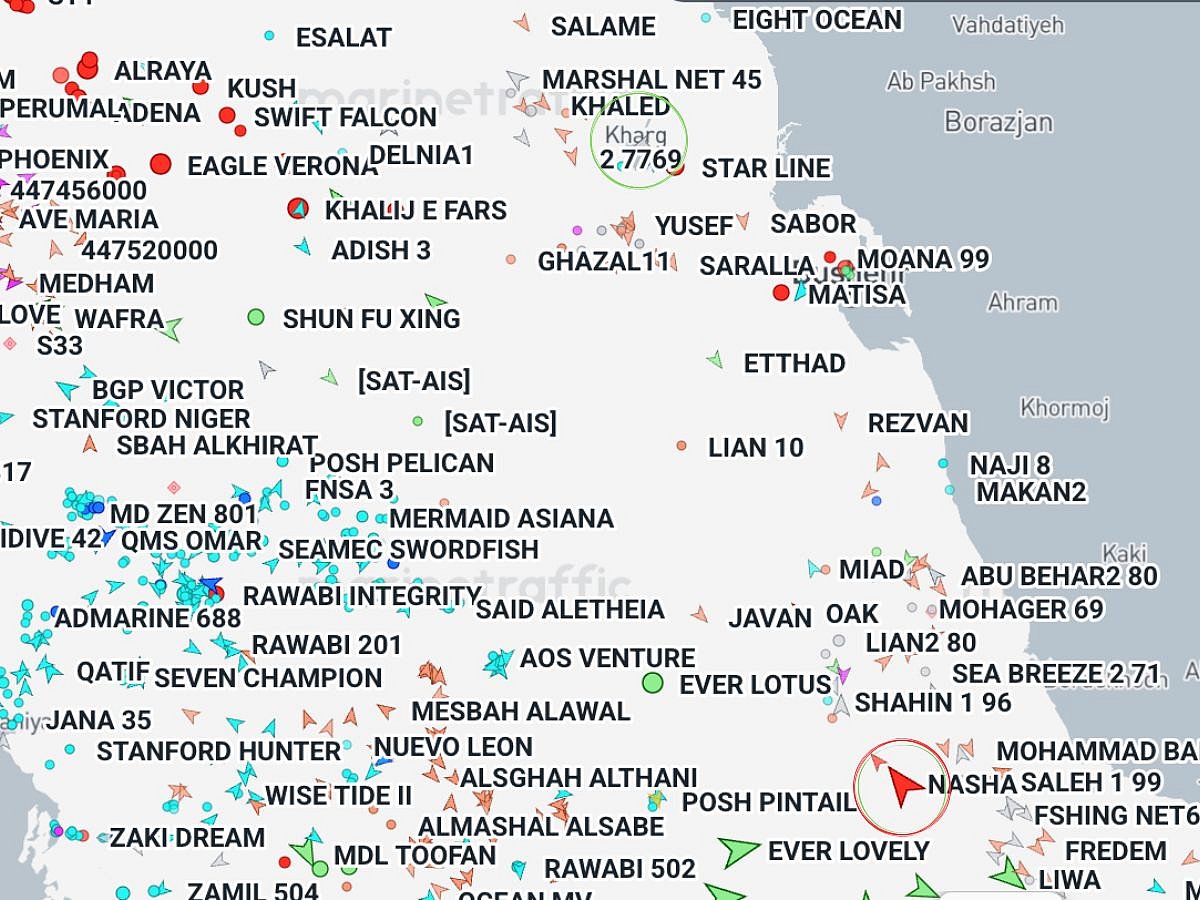
Iran is reportedly moving to expand crude storage at Kharg Island by reactivating the 30-year-old very large crude carrier M/T Nasha, a sign that the country’s main oil hub is nearing its onshore storage limit amid the US blockade of Iranian ports.
Maritime analysts say the vessel, which had been anchored empty for years, is being repositioned as floating storage to absorb crude that still has to move out of the system.
Supply-and-demand mismatch
The pressure at Kharg Island is being driven by a simple supply-and-demand mismatch, according to Tanker Trackers, an industry think-tank.
To prepare for the possibility of running out of oil storage space at Kharg Island, Iran has brought NASHA (9079107) out of retirement. She's a 30yo VLCC that's been anchored empty for the past few years; currently spending 4 days on a trip that should take 1.5–2 days. #OOTTpic.twitter.com/jFhq2xP0mU
— TankerTrackers.com, Inc. (@TankerTrackers) April 23, 2026
Analysts estimate roughly 13 million barrels of spare onshore storage remain at the terminal, while net inflows are running at about 1.0 million to 1.1 million barrels per day.
At that pace, storage could be filled in about 12 to 13 days, which places the saturation point in late April if current flows hold.
When happens when storage fills
That matters because once storage fills, Iran would have to start shutting in wells, especially in water-injection fields that require steady operation to avoid damage and long-term production losses.
Iran has already kept Kharg busy despite the war, with reports in recent weeks showing tankers loading crude there even after U.S. and Israeli strikes.
The use of M/T Nasha reflects how Iran is trying to keep oil moving without relying entirely on vulnerable shore facilities.
As of 5.30 GMT on Friday (April 24, 2026) the Iran-owned M/T Nasha super crude tanker was seen moving at 4.4 knots, 322 degrees, according to Marine Traffic
Temporary buffer
Floating storage gives Tehran a temporary buffer, but it is not a permanent fix.
If the blockade remains in place and exports keep slowing, Iran will face a choice between deeper production cuts and risking damage to its upstream fields.
The broader context is that Kharg Island is Iran’s most important crude export gateway, so any congestion there quickly becomes a national economic problem.
For now, the reactivation of Nasha suggests Tehran is trying to buy time before the terminal reaches a critical breaking point.
ملاحظة تحريرية | Editorial Note:
نُشر هذا المقال في الأصل بواسطة Gulf News.
خبر (Khabr) هي منصة إعلامية أردنية مرخّصة تعمل بالذكاء الاصطناعي.
نضيف قيمة تحريرية من خلال: تحليل ذكي للأخبار، ملخصات تلقائية، رواية صوتية بالذكاء الاصطناعي، ترجمة متعددة اللغات، وتدقيق الحقائق.
هدفنا جعل الأخبار أكثر وضوحاً وسهولةً للقارئ العربي.
This article was originally published by Gulf News.
Khabr is a licensed Jordanian AI-powered news platform (Registration #82086).
We add editorial value through: AI-powered news analysis, automated summaries, AI audio narration, multi-language translation (Arabic, English, French, Turkish), and AI fact-checking.
Our mission is to make news more accessible and understandable for Arabic-speaking audiences worldwide.
هذا الخبر ضمن تغطية خبر لقسم اقتصاد.
نقدّم لك تحليلات ذكية وملخصات يومية لأهم الأخبار من مصادر موثوقة متعددة.
المصدر: Gulf News.
يوجد 6 مقالات مرتبطة بهذا الموضوع.
This article is part of Khabr's coverage of Economy.
We provide AI-powered analysis, summaries, and multi-source aggregation to keep you informed.
Source: Gulf News.
Tags: oil storage, Kharg Island, blockade pressure.
🍪 نستخدم ملفات تعريف الارتباط لتحسين تجربتك وعرض الإعلانات المخصصة. باستخدامك للموقع، فإنك توافق على سياسة ملفات تعريف الارتباط وسياسة الخصوصية.
We use cookies to enhance your experience and show personalized ads. By using this site, you agree to our Cookie Policy and Privacy Policy.
FREEFree 1GB Internet + Free International Calls
$1 trial — eSIM in 190+ countries — No roaming charges