Iran Halts U.S. Negotiations and Threatens to Block Key Maritime Passage
Iran's Strategic Move Amidst Tense U.S. Relations
In a dramatic turn of events, Iran has officially announced its decision to halt negotiations with the United States, a move that raises concerns over regional stability and global oil supply. This announcement comes in the wake of heightened tensions between the two nations, following the U.S.'s recent actions that Iran perceives as hostile.
The Strait of Hormuz: A Global Maritime Lifeline
The Strait of Hormuz, located between Oman and Iran, is one of the most crucial maritime routes in the world, accounting for approximately 20% of the global oil supply. By threatening to block this strategic waterway, Iran is sending a clear message to the U.S. and its allies about its willingness to leverage its geographic advantage in response to perceived aggressions.
State Media Reports Iranian Strategy
According to state media, Iranian officials have vowed to 'completely' block the Strait of Hormuz if necessary, marking a significant escalation in rhetoric that could lead to military confrontations in the region. Experts warn that such actions could provoke a strong response from the U.S. and its allies, which could further destabilize the already volatile Middle East.
The Background of U.S.-Iran Tensions
The current situation is the result of decades of strained relations between the U.S. and Iran, exacerbated by the U.S. withdrawal from the Joint Comprehensive Plan of Action (JCPOA) in 2018, which was aimed at curbing Iran's nuclear program. Since then, a series of sanctions have been imposed on Iran, severely impacting its economy and leading to increased hostilities.
Potential Implications for Global Oil Markets
Blocking the Strait of Hormuz would not only affect Iran's geopolitical standing but could also have dire consequences for global oil markets. Analysts predict that any significant disruption could lead to skyrocketing oil prices, affecting economies worldwide, especially those heavily reliant on oil imports.
Looking Ahead: The International Community's Role
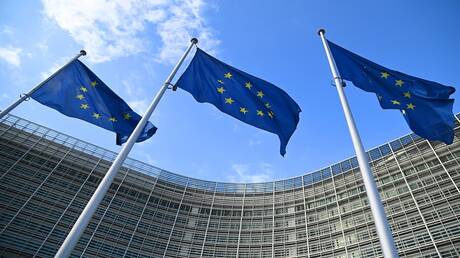
The international community is watching closely as these developments unfold. The European Union has expressed concern over Iran's latest threats and has called for dialogue to resolve the looming crisis. However, with the current U.S. administration taking a hardline stance, the prospects for renewed negotiations appear bleak.
Conclusion: A Crucial Moment for Diplomacy
As Iran embarks on this new path of confrontation, the potential for conflict looms larger than ever. The coming weeks will be critical in determining whether diplomacy can avert a crisis or whether the situation will escalate into a military confrontation that could have far-reaching consequences for the region and the world.