Introduction
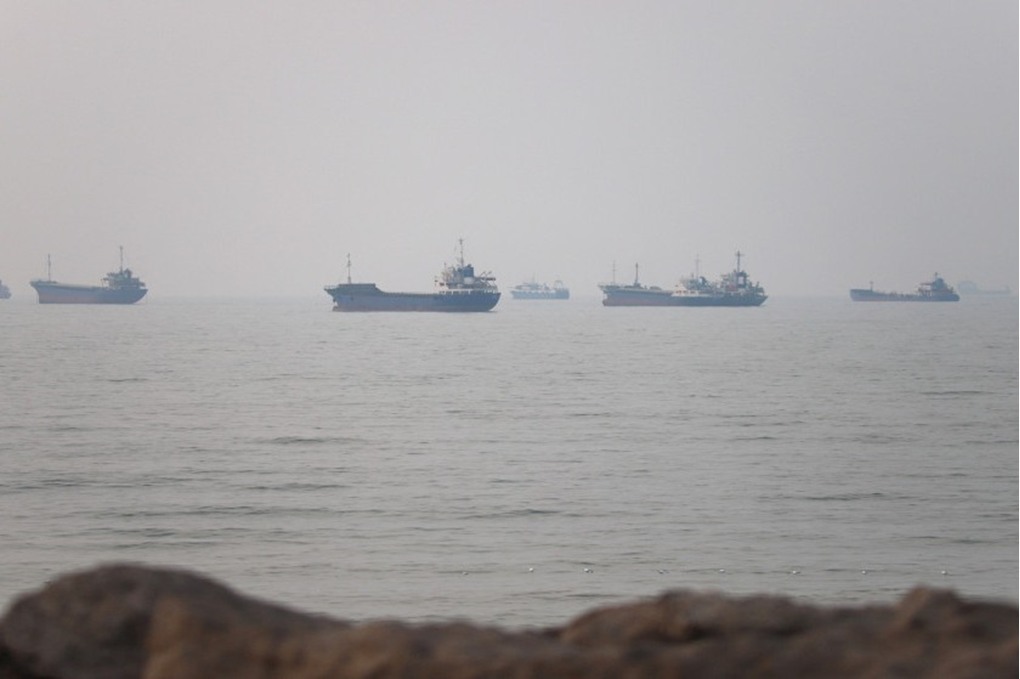
The Strait of Hormuz, a narrow waterway that connects the Persian Gulf to the Arabian Sea, is a crucial artery for global oil transport, with approximately 20% of the world's oil supply passing through it. The recent agreement between Iran and Oman regarding this vital shipping route not only marks a pivotal moment in regional diplomacy but also has far-reaching implications for international trade and security.
The Agreement
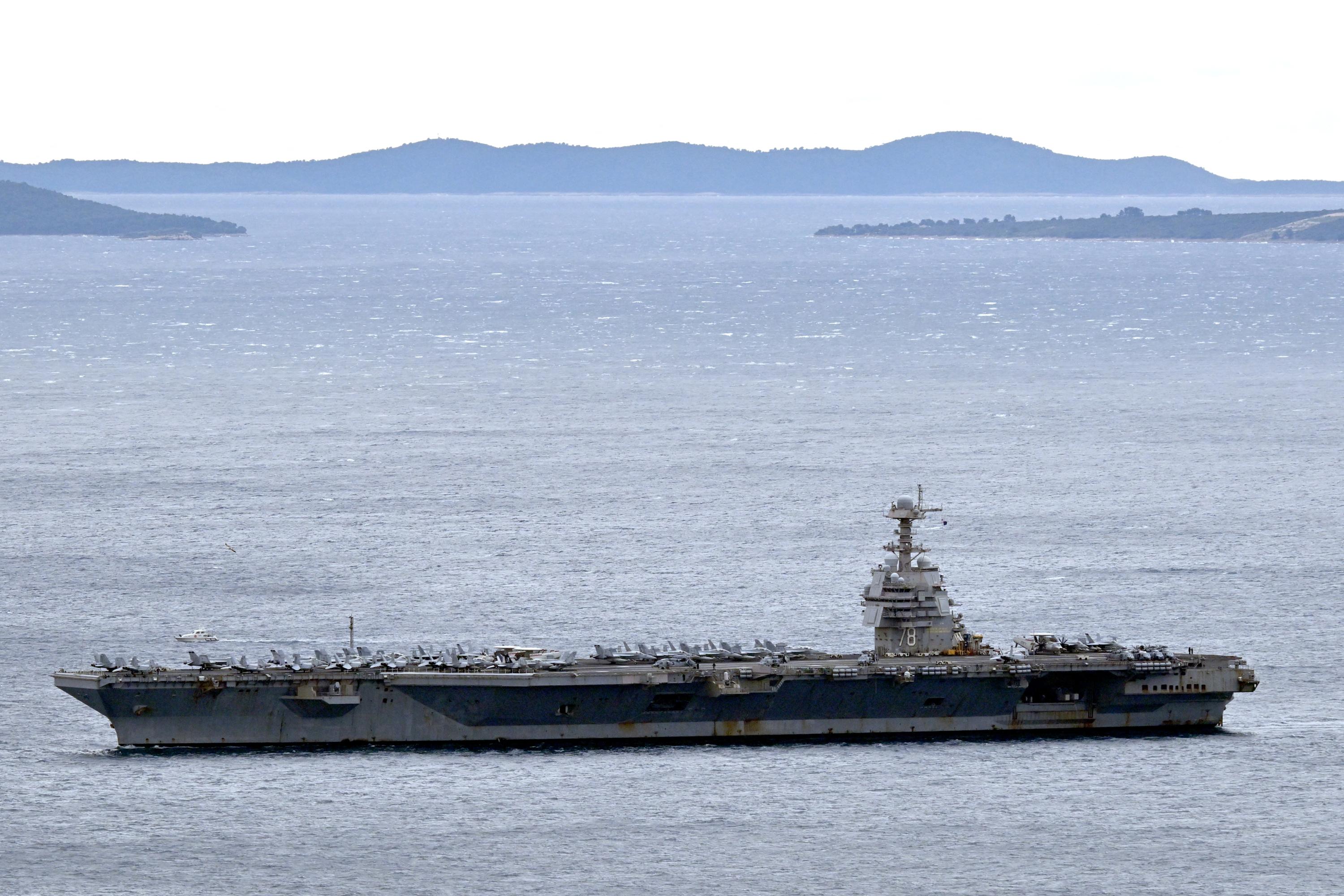
Iran's Foreign Ministry announced on October 15, 2023, that it has successfully reached an agreement with Oman to enhance shipping security in the Strait of Hormuz. This agreement involves coordinated efforts to ensure the safe passage of vessels through the strait, which has been a flashpoint for tensions due to the presence of military forces from various countries, including the United States. The Iranian government emphasized that this collaboration will contribute to regional stability and strengthen ties between the two nations.
Geopolitical Context
The Strait of Hormuz has been at the center of geopolitical conflicts, particularly involving the U.S. and Iran. Recent years have seen numerous incidents, including tanker seizures and military provocations. Oman, which has maintained a neutral stance in regional conflicts, has played a vital role as a mediator, facilitating dialogue between Iran and Western nations. The new agreement is viewed as a step towards de-escalation in the region, highlighting Oman's unique diplomatic position.
Impact on Global Trade
This new shipping route agreement is expected to bolster maritime security, crucial for the uninterrupted flow of oil and gas shipments. Analysts predict that a secure Strait of Hormuz will not only benefit Iran and Oman but also ensure stability in global oil prices, which have been volatile due to geopolitical uncertainties. Shipping companies and traders are likely to view this development favorably, as it reduces the risk of disruptions and enhances confidence in maritime operations in the region.
Regional Reactions
Reactions to the announcement have been mixed across the region. While Iran and Oman celebrate this diplomatic achievement, neighboring Gulf states remain cautious. Countries such as Saudi Arabia and the United Arab Emirates, who have vested interests in the security of the Strait, are monitoring the situation closely, as increased Iranian influence in the region could shift the balance of power.
Future Prospects
The agreement between Iran and Oman is seen as a potential precursor to broader discussions regarding regional security and cooperation. Experts suggest that if this collaboration proves successful, it could pave the way for other Gulf nations to engage in dialogue with Iran, fostering a more constructive approach to resolving conflicts in the region. Furthermore, it underscores the importance of diplomacy in addressing complex security challenges in the Middle East.
Conclusion
As the world watches the developments in the Strait of Hormuz, the agreement between Iran and Oman represents a hopeful sign of diplomacy's potential to resolve longstanding tensions. Should this collaboration succeed, it could serve as a model for future negotiations and cooperation in a region often marred by conflict.