⚡ عاجل: كريستيانو رونالدو يُتوّج كأفضل لاعب كرة قدم في العالم●⚡ أخبار عاجلة تتابعونها لحظة بلحظة على خبر●⚡ تابعوا آخر المستجدات والأحداث من حول العالم●
AI اقتراحات ذكية
AI مباشر|--مشاهد مباشر
852,057مقال404مصدر نشط224قناة مباشرة4,999خبر اليوم
آخر تحديث:منذ ثانيتين
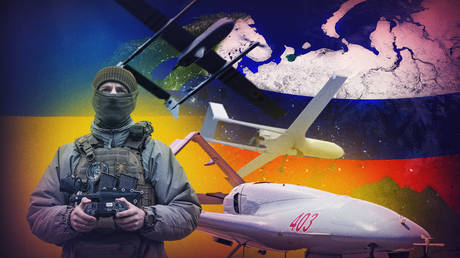
Inside Ukraine’s expanding drone war against Russian infrastructure
Mass production, long-range strikes, and evolving tactics are reshaping the battlefield – and forcing a rethink of air defense strategies
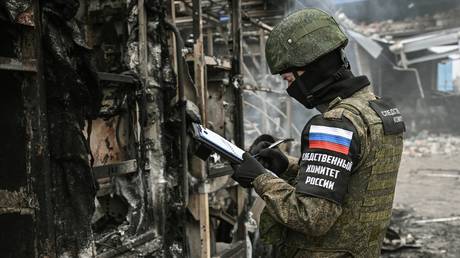
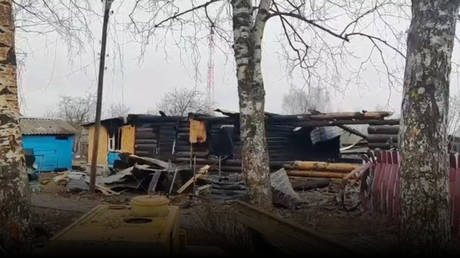
In late March and early April, Ukraine launched a series of drone strikes against the Baltic ports in Ust-Luga and Primorsk, as well as oil terminals on the south of the country in the city of Novorossiysk. This was clearly an attempt to disrupt Russia’s ability to export petroleum products. Additionally, the Armed Forces of Ukraine (AFU) have targeted other Russian regions to inflict further damage to the oil and gas industry and strain Russia’s air defense network tasked with protecting critical infrastructure.
Given the current global situation, increasing exports of petroleum products would provide Russia with much-needed revenue. This income could help offset losses from Western sanctions and stabilize economic growth. Of course, these additional revenues would also benefit Russia’s military-industrial complex, a fact that Kiev is undoubtedly aware of.
Ukraine’s intensified strikes on Russian oil and gas infrastructure, particularly export terminals, aim to reduce Russia’s export capacity. A secondary goal may be to influence the media narrative by demonstrating the AFU’s enhanced strike capabilities. The third objective involves depleting the missile stockpiles of Russia’s missile defense systems through massive drone attacks.
But how exactly are these drones reaching targets deep inside Russia – and what does this mean for the future of air defense?
Routes, tactics, and technological edge
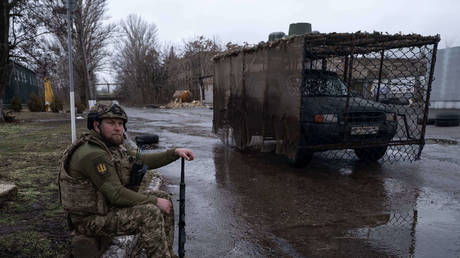
In March 2026, the AFU set a record for long-range drone usage. According to Western sources, Ukraine deployed over 7,000 drones. This has been possible due to the mass production of relatively inexpensive drones of various types, with a range of up to 1,500km. Notably, the cost of these drones is quite low, and Ukraine faces no shortage of components, as sanctions and other restrictions do not hinder this supply chain. Drone manufacturing can be decentralized, with some production potentially taking place outside Ukraine. Final assembly likely occurs in several facilities in various locations, disguised as ordinary manufacturing or logistics centers. Clearly, the mass production of drones is a major state industrial effort that also involves commercial companies.
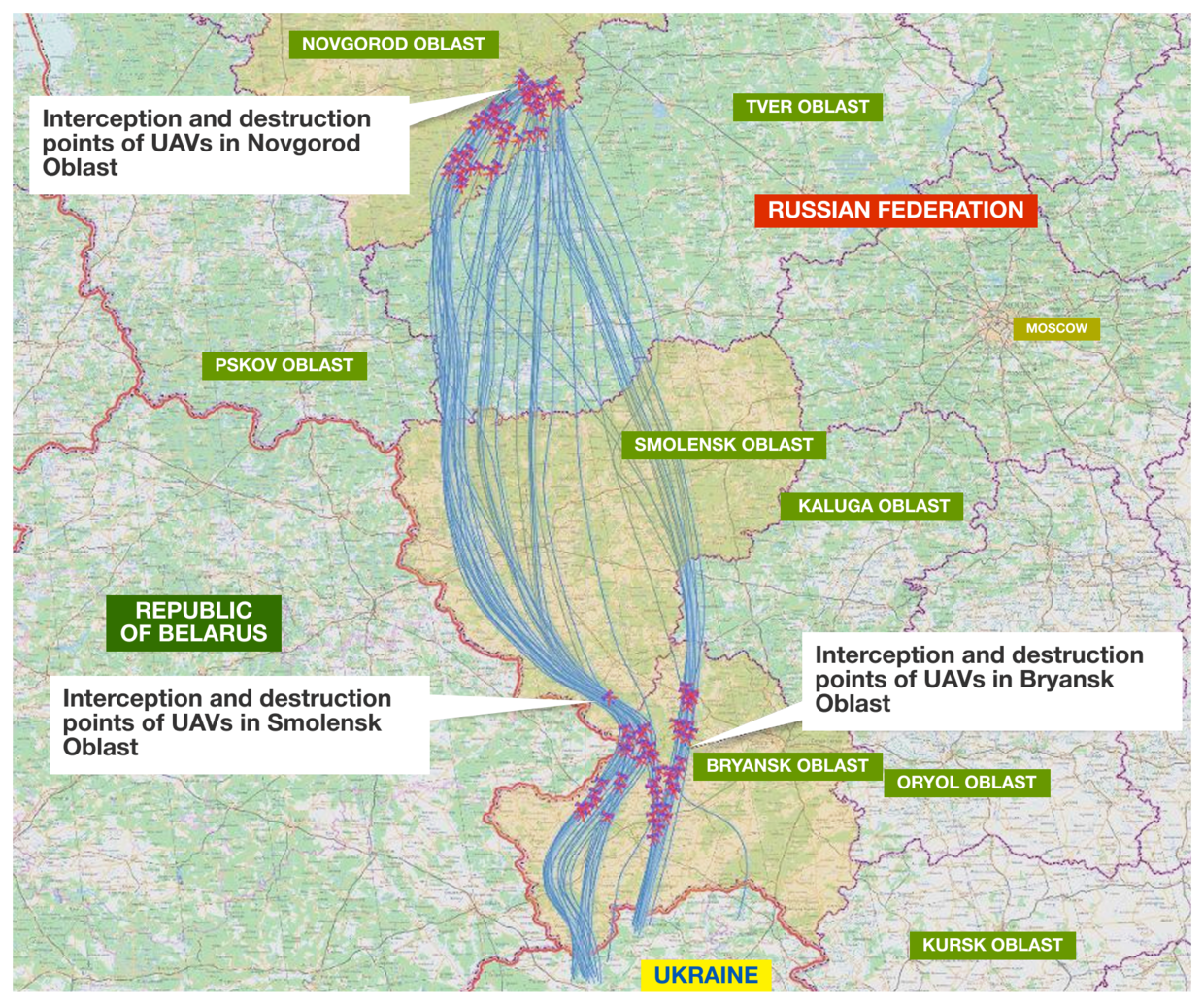
While the flight paths of drones from Ukraine to Novorossiysk raise no questions, the routes by which the drones reached locations as remote from Ukraine as Ust-Luga in Russia's northern Leningrad Region remain less clear.
Several hypotheses exist regarding the flight paths of Ukrainian drones. One hypothetical route extends from northern Ukraine, over Russian territory along the eastern border of Belarus to Leningrad Region, and then onward to the Baltic ports. This route is supported by data on air-raid alerts in western Russia and various accounts. The use of Belarusian airspace is theoretically possible, yet Belarus possesses a robust air defense and detection system. If drones were to infringe upon its airspace, it seems likely that such incidents would be reported.
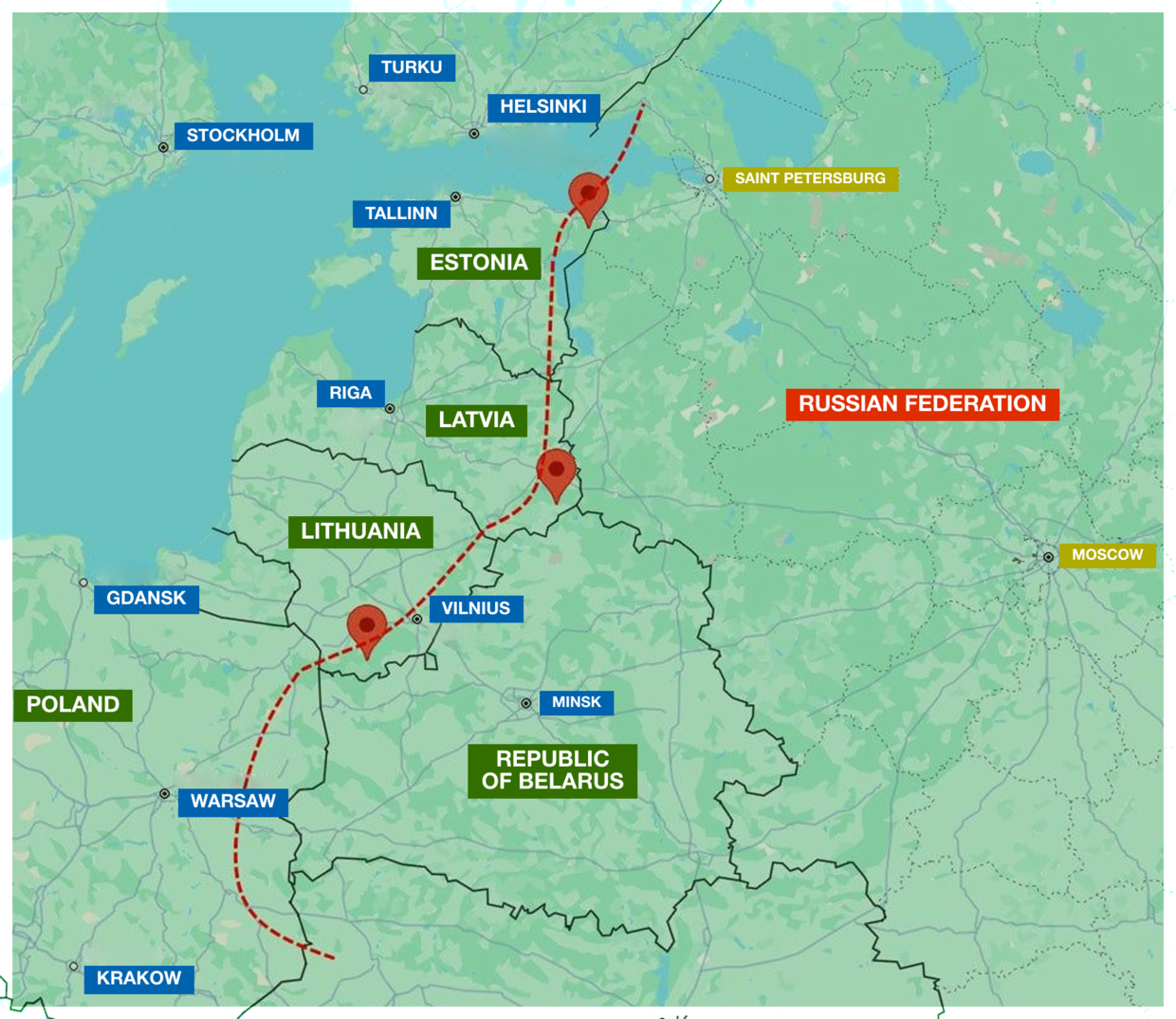
There is also another interesting hypothesis: the drones may be taking a roundabout route through Poland and the Baltic states, then flying over the neutral waters of the Baltic Sea to approach the ports from the sea. The absence of surface-to-air missile defense systems over the sea lends some credence to this theory, especially considering the reports of drones crashing in the Baltic states and in Finland. It’s also quite possible that NATO countries may allow drones to be routed through their territory. However, this theory lacks ample supporting evidence, and the Russian Foreign Ministry’s response came only several days later and included no substantial details.
Considering the current advancements in autonomous navigation systems, it seems more likely that the drones were routed through Russian territory, using the natural characteristics of the terrain to approach targets from unexpected angles. Drones routed over the sea may be easier to detect – though that’s not always the case. For example, it wasn’t easy for air defense systems to detect drones traveling over the Black Sea.
As a conspiracy theory, one could speculate about the installation of radio beacons in Russia or neighboring countries to enhance the navigation of attacking drones under conditions of electronic countermeasures against existing navigation systems. This is technically possible and does not necessarily violate airspace, although it would require an intelligence network. I believe the military has already figured out how the drones reached their targets.
Rethinking air defense: detection, coordination, and cost
So, what steps should be taken to defend against such attacks? What scenarios and methods need to be implemented for effective protection?
The main priority is timely detection. Lightweight drones with piston engines are notoriously difficult to track with traditional airspace radar. However, they can be spotted visually and detected by the sound of their engines. Given that these drones have been in widespread use for some time, appropriate detection measures should be deployed. I hope this issue is being addressed at a level beyond volunteer initiatives, as part of the country’s air defense.
The second task involves informing all relevant parties about threats. All the structural elements of the army’s missile defense forces must have real-time access to information on detected drones, their flight paths, and potential targets. This will enable swift countermeasures – deploying mobile units, preparing weapons, providing targeting data, and organizing layered defense. This should be the responsibility of a unified governmental structure within the armed forces; departmental or regional units aren’t efficient enough for this mission. Ultimately, the devices used to communicate this information to end users should be simple and user-friendly tablets, not multi-ton trucks. I believe this work is already underway and in the testing phase.
Finally, the third task is the destruction of the drones. On the one hand, any means necessary can be employed; on the other hand, using traditional surface-to-air missile systems (SAMs) isn’t always justified. Firstly, conventional SAMs may not be effective against small, lightweight drones. Secondly, the cost of a missile is many times higher than that of the drone itself.
This is one of the most pressing modern challenges: cheap drone attacks can financially devastate advanced missile defense systems. This is a global issue that affects all technologically advanced nations.
There are several options, each with its pros and cons. The most cost-effective solution in terms of firing costs is laser weaponry. The expense per shot can be measured in mere dollars. However, the systems themselves can cost millions of dollars. Moreover, lasers have limitations regarding range; as the distance to the target increases, the beam’s power significantly diminishes. These large, energy-intensive systems are stationary and primarily serve as a last line of defense. Nonetheless, they can effectively neutralize drones, cruise missiles, guided bombs, and other types of munitions.
Specialized interceptor drones are another promising and already deployed solution. Almost every nation focusing on drone defense is currently developing and implementing such interceptors. They are relatively low-cost, but they do come with a significant drawback: due to their design, they carry very small payloads or rely on kinetic interception – i.e., engage the target through high-speed physical impact. When deployed en masse, however, interceptor drones can prove effective in certain areas and situations.
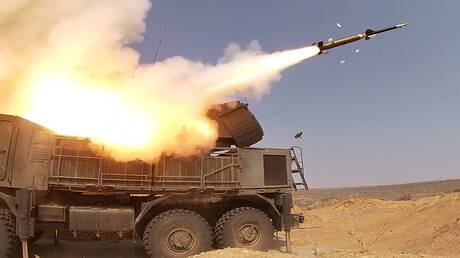
Lightweight, short-range surface-to-air missiles are another option. These missiles can utilize both radar and laser guidance; target illumination can originate from the launch platform or a separate carrier. They can be fired from specialized systems like the Pantsir missile system, as well as from aircraft, similar to American APKWS missiles. Their costs are comparable to those of long-range drones.
Of course, rapid-fire artillery systems can also be used against lightweight drones. Modern systems equipped with programmable fuses that can detonate shells at specific altitudes can be quite effective. Thanks to advanced targeting and fire control systems, this defensive measure can be both efficient and relatively inexpensive. Moreover, these systems can serve multiple roles, providing fire support for ground troops when necessary. Many European manufacturers have started producing not just specialized missile defense systems with such armaments but also versatile combat vehicles capable of engaging aerial targets.
Additionally, we must consider the tactical construction of air defense. Ideally, we wouldn’t know exactly how this is organized – when it comes to missile defense, all armies protect their tactical secrets. However, it’s reasonable to assume that an effective air defense strategy combines layered stationary defense with mobile air defense units that establish operational lines in directions that are deemed a threat. In this regard, having a comprehensive and accurate picture of the air situation in the region would be invaluable – without such information, mobile units might prove entirely ineffective.
***
The massive waves of Ukrainian drone attacks have become a real test for Russia’s air defense system. Steps have already been taken to enhance both detection and response capabilities against such attacks. Efforts are continuously underway to modernize existing systems and develop new weapons designed to target lightweight drones. Tactics for countering large-scale drone swarms are being refined, and the production of ammunition for these systems is ramping up. Intelligence operations aimed at locating and destroying the production, storage, and launch sites of drones are also likely a priority for the military. Such a comprehensive approach is essential for effectively addressing the threat posed by drone attacks.
ملاحظة تحريرية | Editorial Note:
نُشر هذا المقال في الأصل بواسطة RT English.
خبر (Khabr) هي منصة إعلامية أردنية مرخّصة تعمل بالذكاء الاصطناعي.
نضيف قيمة تحريرية من خلال: تحليل ذكي للأخبار، ملخصات تلقائية، رواية صوتية بالذكاء الاصطناعي، ترجمة متعددة اللغات، وتدقيق الحقائق.
هدفنا جعل الأخبار أكثر وضوحاً وسهولةً للقارئ العربي.
This article was originally published by RT English.
Khabr is a licensed Jordanian AI-powered news platform (Registration #82086).
We add editorial value through: AI-powered news analysis, automated summaries, AI audio narration, multi-language translation (Arabic, English, French, Turkish), and AI fact-checking.
Our mission is to make news more accessible and understandable for Arabic-speaking audiences worldwide.
هذا الخبر ضمن تغطية خبر لقسم سياسة.
نقدّم لك تحليلات ذكية وملخصات يومية لأهم الأخبار من مصادر موثوقة متعددة.
المصدر: RT English.
يوجد 6 مقالات مرتبطة بهذا الموضوع.
This article is part of Khabr's coverage of Politics.
We provide AI-powered analysis, summaries, and multi-source aggregation to keep you informed.
Source: RT English.
Tags: Ukraine, drone war, Russia.
🍪 نستخدم ملفات تعريف الارتباط لتحسين تجربتك وعرض الإعلانات المخصصة. باستخدامك للموقع، فإنك توافق على سياسة ملفات تعريف الارتباط وسياسة الخصوصية.
We use cookies to enhance your experience and show personalized ads. By using this site, you agree to our Cookie Policy and Privacy Policy.
FREEFree 1GB Internet + Free International Calls
$1 trial — eSIM in 190+ countries — No roaming charges