⚡ عاجل: كريستيانو رونالدو يُتوّج كأفضل لاعب كرة قدم في العالم●⚡ أخبار عاجلة تتابعونها لحظة بلحظة على خبر●⚡ تابعوا آخر المستجدات والأحداث من حول العالم●
AI اقتراحات ذكية
AI مباشر|--مشاهد مباشر
864,243مقال404مصدر نشط228قناة مباشرة5,611خبر اليوم
آخر تحديث:منذ ثانية
Inside Iran’s 40-year power shift: Clerical rule fades as IRGC takes control
Dubai: Iran’s decision-making core has undergone a quiet but profound transformation, with real power shifting away from clerics to a hardened network of military commanders, according to a detailed report by The New York Times.
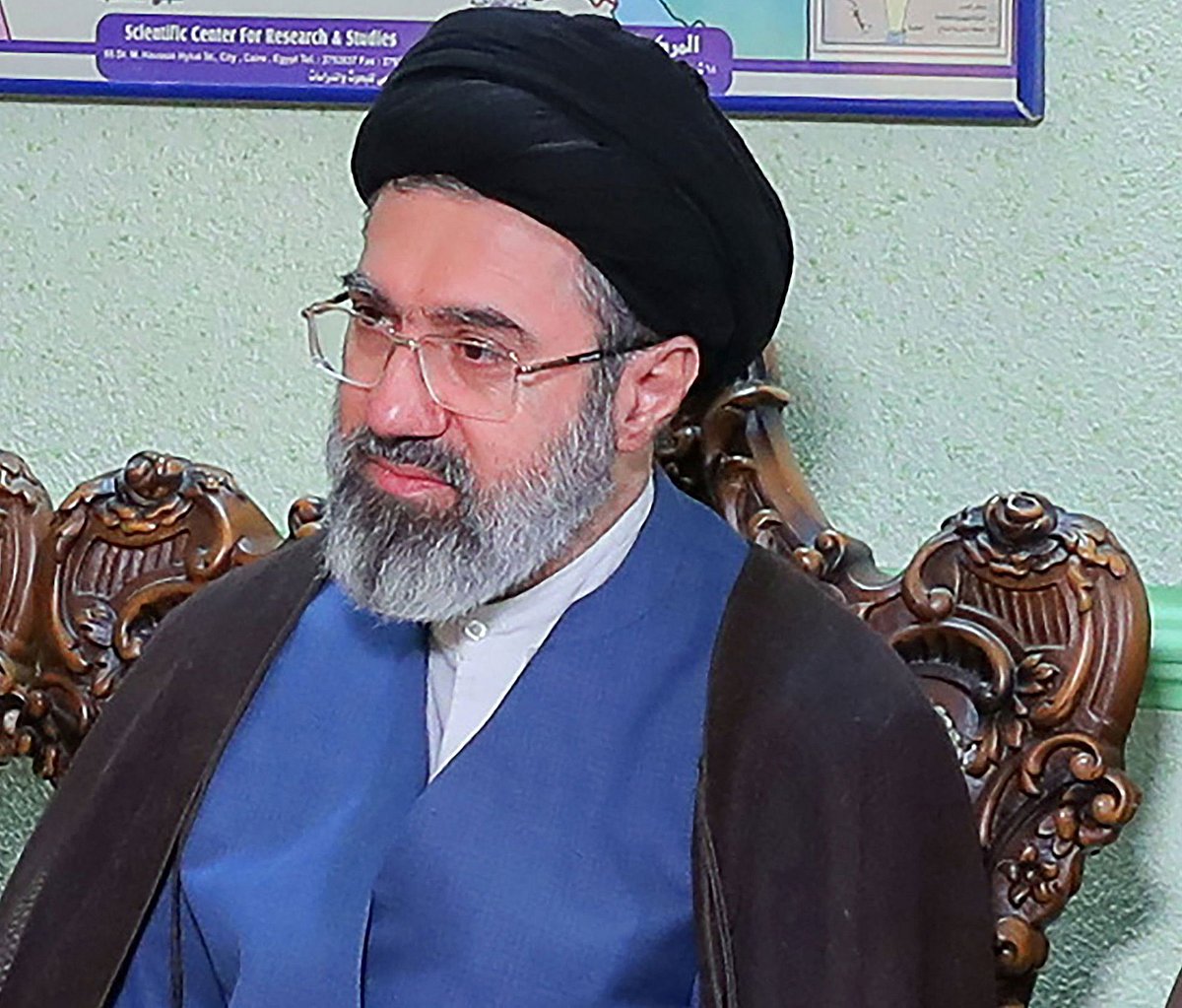
At the centre of this shift is Supreme Leader Ayatollah Mojtaba Khamenei — injured, largely unseen and operating under severe constraints after US-Israeli strikes that killed his father and devastated the leadership structure.
Unlike the elder Khamenei, who exercised near-absolute authority over war, peace and diplomacy, the new leader is no longer the system’s commanding force.
Instead, decision-making is increasingly driven by generals from the Islamic Revolutionary Guard Corps (IRGC), who now dominate Iran’s war strategy, security posture and negotiations.
“Mojtaba is managing the country as though he is the director of the board,” Abdolreza Davari, a former senior adviser to ex-president Mahmoud Ahmadinejad, told The New York Times. “The generals are the board members.”
Leader in hiding, power in the shadows
Since his appointment in March, Mojtaba Khamenei has not appeared publicly. Severely wounded in the strikes, he remains in hiding, communicating through handwritten messages passed along a chain of trusted couriers, travelling across roads and highways to reach his undisclosed location.
“Mojtaba is not supreme… he might be leader in name, but he is not supreme the way his father was,” said Ali Vaez of the International Crisis Group.
His injuries are extensive. Officials cited in the report say he has undergone multiple surgeries, including operations on his leg and hand, and suffered severe burns that make it difficult for him to speak. He has avoided appearing on video or audio to prevent projecting weakness.
The combination of physical incapacity, security fears and isolation has forced him to delegate authority — creating space for the military to step in.
“Mojtaba is not supreme… he might be leader in name, but he is not supreme the way his father was,” said Ali Vaez of the International Crisis Group.
Rise of a military state
The IRGC, originally formed to protect the 1979 revolution, has steadily accumulated power over decades — but under the elder Khamenei it still operated within a system ultimately controlled by a single clerical authority.
That balance has now shifted.
Today, Iran’s system resembles a collective military command, where key decisions are shaped by senior commanders with deep battlefield ties and ideological alignment.
Figures such as Brigadier General Ahmad Vahidi, General Mohammad Bagher Zolghadr and General Yahya Rahim Safavi hold critical levers across security and strategic institutions.
Analysts say Mojtaba Khamenei is often presented with decisions already shaped by this network.
“There is, perhaps, deference to him… but he is presented with fait accompli presentations,” said Sanam Vakil of Chatham House.
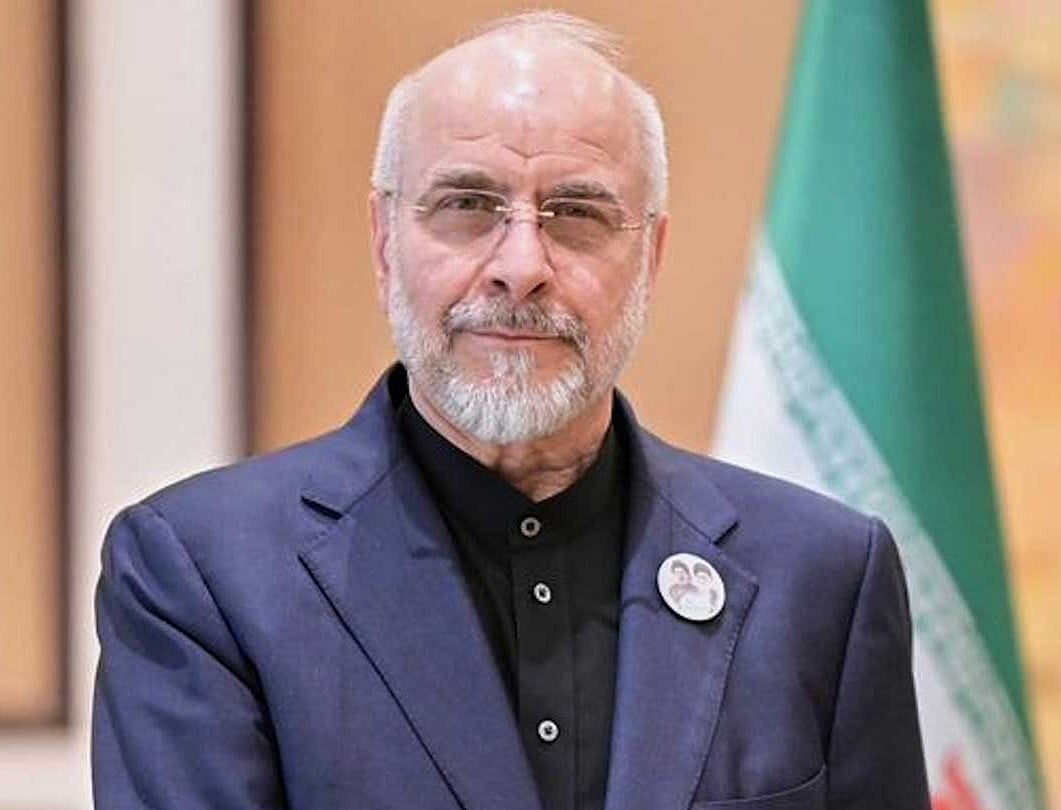
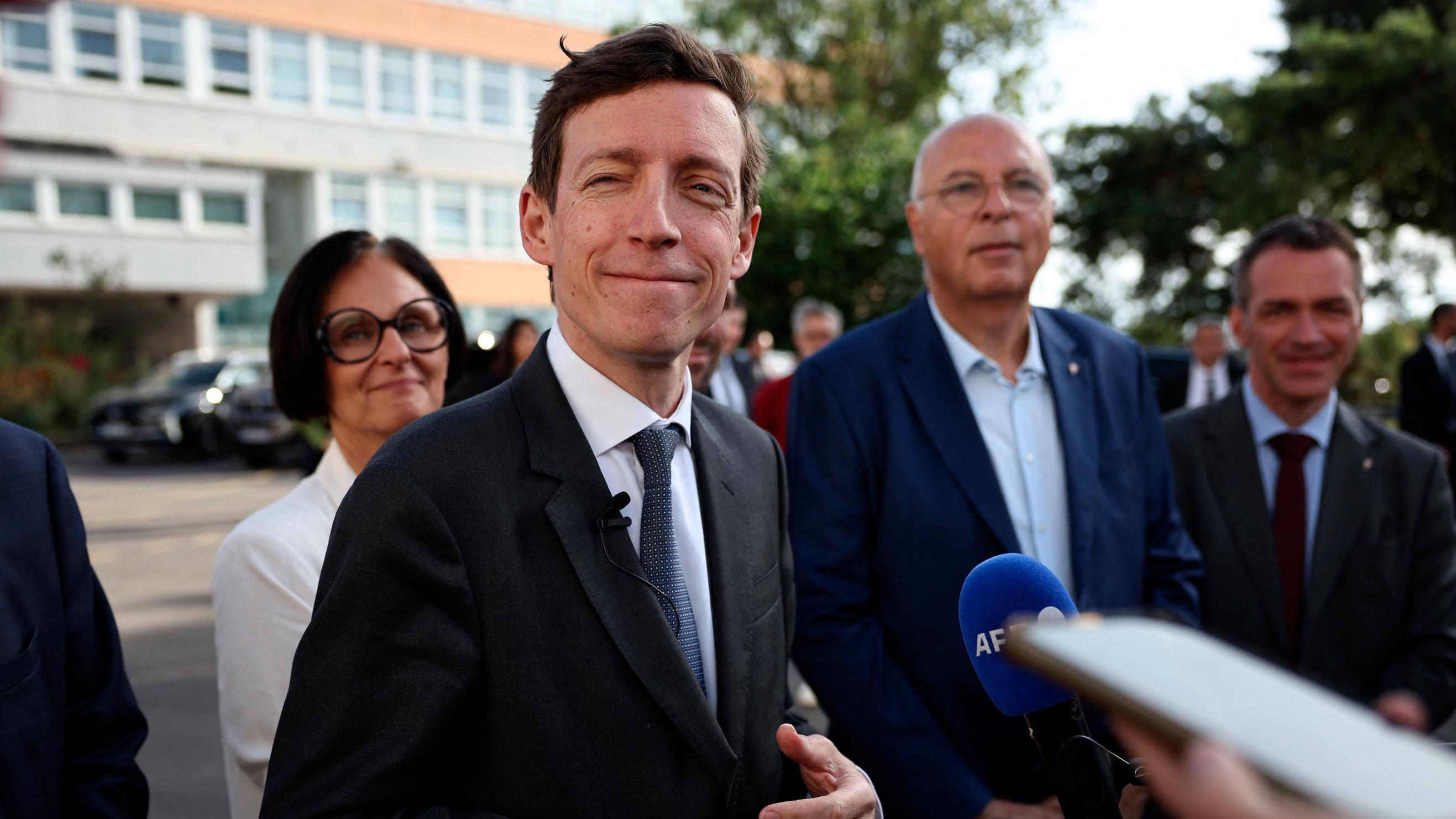
Iran's Parliament Speaker Mohammad Bagher Ghalibaf
Diplomacy shifts to the generals
The power shift is most visible in Iran’s diplomacy.
According to The New York Times, parliament speaker Mohammad Bagher Ghalibaf — a former Revolutionary Guards commander — has emerged as the central figure in negotiations with the United States, effectively sidelining the foreign ministry. Ghalibaf, a longtime insider within the Guards, has been leading talks with US Vice President JD Vance in Islamabad, marking a dramatic departure from past practice where civilian diplomats led such engagements.
For the first time, multiple IRGC generals have been embedded directly in Iran’s negotiating delegation, underscoring how diplomacy itself has been militarised.
The foreign minister, who previously led negotiations, has been marginalised, while President Masoud Pezeshkian has been pushed to focus on domestic stability — ensuring food, fuel and basic governance — rather than strategy.
Ghalibaf himself reflected the new balance of power in a televised address, combining realism with defiance.
“Our military gains do not mean that we are more powerful than the United States,” he said.
Generals in charge: IRGC dominates war, diplomacy and strategy
Ghalibaf role: Former IRGC commander leading US talks
Diplomacy militarised: Generals embedded in negotiating teams
Civilian sidelined: President, foreign minister pushed aside
Clerical rule fading: 40-year dominance weakening
Collective command: Decisions shaped by military elite
Global risk: More rigid, security-driven Iran
War driving decisions
It is the generals who have shaped Iran’s key wartime decisions — from attacks on regional targets to the closure of the Strait of Hormuz and the management of ceasefire negotiations.
When divisions emerged over whether to continue talks with Washington, it was the military leadership that ultimately prevailed, halting negotiations amid anger over US actions including a naval blockade and ship seizures.
Civilian leaders argued for continued engagement to limit economic damage — estimated at hundreds of billions of dollars — but their position was overruled.
Clerical rule fading
After more than four decades of clerical dominance, Iran’s political structure is undergoing a clear transformation.
“The clerical establishment, once dominant, is now receding,” the report noted, as military figures consolidate control.
Mojtaba Khamenei’s deep personal ties to the Guards — dating back to his teenage years fighting in the Iran-Iraq war — have further strengthened their influence.
He is seen less as a commanding authority and more as a node within a broader network of power.
A harder, less predictable Iran
The result is a more rigid, security-driven system.
A military-dominated Iran is likely to be less flexible, more risk-tolerant and harder to engage diplomatically. Strategic decisions are increasingly shaped by battlefield logic rather than political calculation.
For now, Mojtaba Khamenei remains the face of the system.
ملاحظة تحريرية | Editorial Note:
نُشر هذا المقال في الأصل بواسطة Gulf News.
خبر (Khabr) هي منصة إعلامية أردنية مرخّصة تعمل بالذكاء الاصطناعي.
نضيف قيمة تحريرية من خلال: تحليل ذكي للأخبار، ملخصات تلقائية، رواية صوتية بالذكاء الاصطناعي، ترجمة متعددة اللغات، وتدقيق الحقائق.
هدفنا جعل الأخبار أكثر وضوحاً وسهولةً للقارئ العربي.
This article was originally published by Gulf News.
Khabr is a licensed Jordanian AI-powered news platform (Registration #82086).
We add editorial value through: AI-powered news analysis, automated summaries, AI audio narration, multi-language translation (Arabic, English, French, Turkish), and AI fact-checking.
Our mission is to make news more accessible and understandable for Arabic-speaking audiences worldwide.
هذا الخبر ضمن تغطية خبر لقسم سياسة.
نقدّم لك تحليلات ذكية وملخصات يومية لأهم الأخبار من مصادر موثوقة متعددة.
المصدر: Gulf News.
يوجد 6 مقالات مرتبطة بهذا الموضوع.
This article is part of Khabr's coverage of Politics.
We provide AI-powered analysis, summaries, and multi-source aggregation to keep you informed.
Source: Gulf News.
Tags: Iran, power shift, IRGC.
🍪 نستخدم ملفات تعريف الارتباط لتحسين تجربتك وعرض الإعلانات المخصصة. باستخدامك للموقع، فإنك توافق على سياسة ملفات تعريف الارتباط وسياسة الخصوصية.
We use cookies to enhance your experience and show personalized ads. By using this site, you agree to our Cookie Policy and Privacy Policy.
FREEFree 1GB Internet + Free International Calls
$1 trial — eSIM in 190+ countries — No roaming charges