Inside Health
•Homepage Accessibility links Skip to content Accessibility Help BBC Accountrequire(["idcta/statusbar"],function(a){new a.Statusbar({id:"idcta-statusbar",publiclyCacheable:!0})}),document.querySelector...
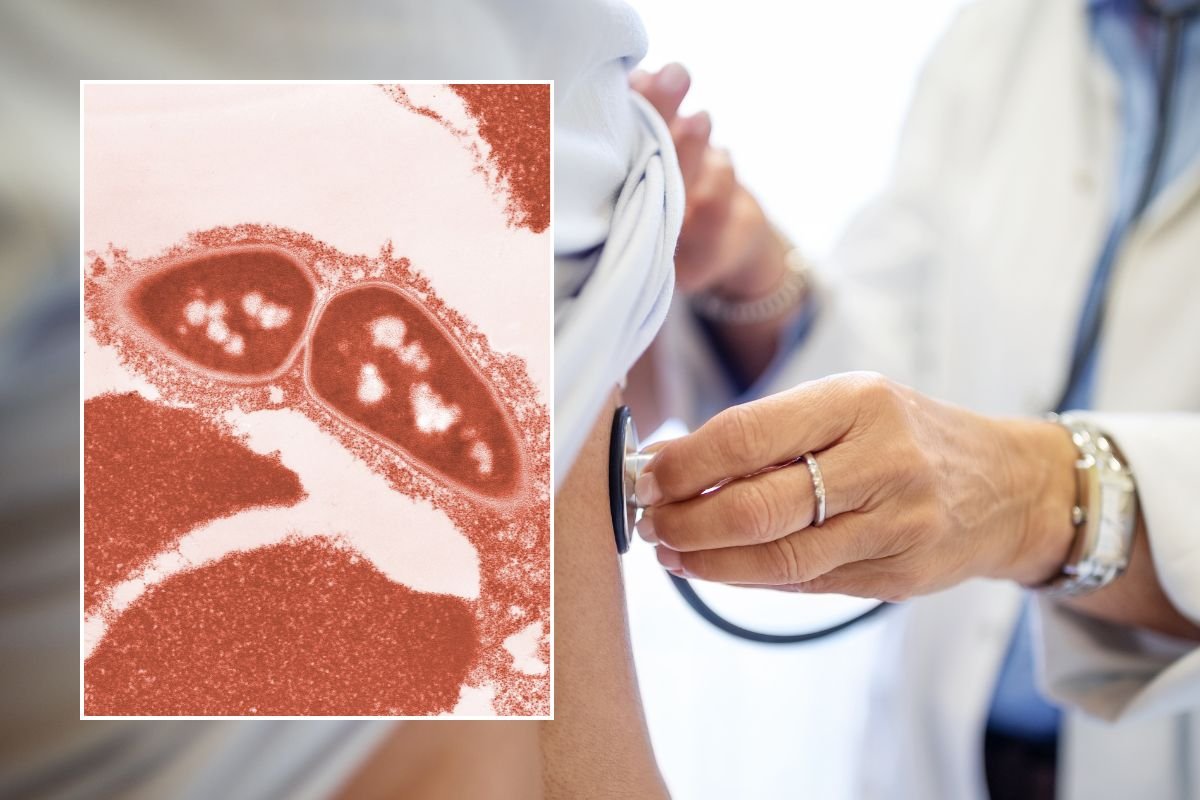
•Women who have been vaccinated against the human papillomavirus (HPV) now have an almost zero chance of dying from cervical cancer before the age of 30.
•But does that mean women will no longer need cervical screening?
هذا الخبر من BBC Health. خبر يقدم أدوات ذكاء اصطناعي للتلخيص والترجمة والاستماع.
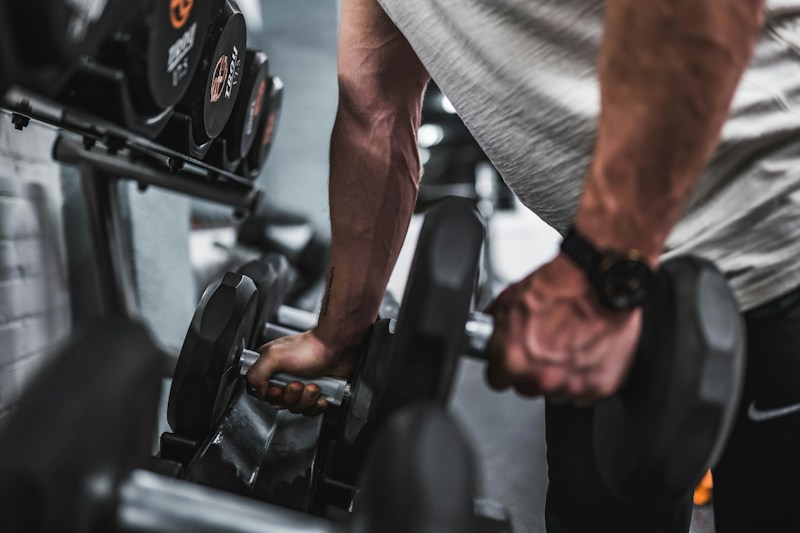
Homepage Accessibility links Skip to content Accessibility Help BBC Accountrequire(["idcta/statusbar"],function(a){new a.Statusbar({id:"idcta-statusbar",publiclyCacheable:!0})}),document.querySelector(".idcta-wrapper").classList.remove("no-js") Notifications Home News Sport Weather iPlayer Sounds Bitesize CBeebies CBBC Food Home News Sport Business Technology Health Culture Arts Travel Earth Audio Video Live More menu Search Sounds Home News Sport Weather iPlayer Sounds Bitesize CBeebies CBBC Food Home News Sport Business Technology Health Culture Arts Travel Earth Audio Video Live Close menu BBC SoundsSounds home pageMenuHomeMusicPodcastsMy SoundsEpisode detailsRadio 4,·14 Jul 2026,·30 mins PlayBookmarkBookmarkSubscribeSubscribeAvailable for over a year Earlier this summer, there was some incredible progress in cervical cancer. Women who have been vaccinated against the human papillomavirus (HPV) now have an almost zero chance of dying from cervical cancer before the age of 30. But does that mean women will no longer need cervical screening? Dr Jo Morrison, a consultant gynaecological oncologist from Somerset NHS Foundation Trust, joins James Gallagher and resident GP Dr Margaret McCartney to discuss. The government has announced school dinners will soon be overhauled in England, in order to reduce the amount of salt, sugar and fat, and boost the amount of fibre and nutrients offered to schoolchildren. James is joined by Dr Maria Traka, head of the food and nutrition national bioscience research infrastructure at the Quadram Institute in Norwich, to find out what the new dinners will look like. He also pays a visit to the Food Museum in Suffolk, where curator Katherine Bridges takes him on a trip through the decades, to see whether school dinners are healthier than ever. Also, have you seen the buzz surrounding creatine on social media? Gym-goers promise it can help you get stronger and build bigger muscles, but there is also some debate about whether it could boost your brain too. To dig into the science, James chats with Dr Damian Bailey, a professor of physiology and biochemistry at the University of South Wales. Presenter: James Gallagher Producer: Alice Lipscombe-Southwell Editor: Ilan Goodman Production coordinator: Stu Laws Sound engineer: Steve Greenwoodالمصدر: BBC Health | Source: BBC Health
ملاحظة تحريرية | Editorial Note: نُشر هذا المقال في الأصل بواسطة BBC Health. خبر (Khabr) هي منصة إعلامية أردنية مرخّصة تعمل بالذكاء الاصطناعي. نضيف قيمة تحريرية من خلال: تحليل ذكي للأخبار، ملخصات تلقائية، رواية صوتية بالذكاء الاصطناعي، ترجمة متعددة اللغات، وتدقيق الحقائق. هدفنا جعل الأخبار أكثر وضوحاً وسهولةً للقارئ العربي.
This article was originally published by BBC Health. Khabr is a licensed Jordanian AI-powered news platform (Registration #82086). We add editorial value through: AI-powered news analysis, automated summaries, AI audio narration, multi-language translation (Arabic, English, French, Turkish), and AI fact-checking. Our mission is to make news more accessible and understandable for Arabic-speaking audiences worldwide.