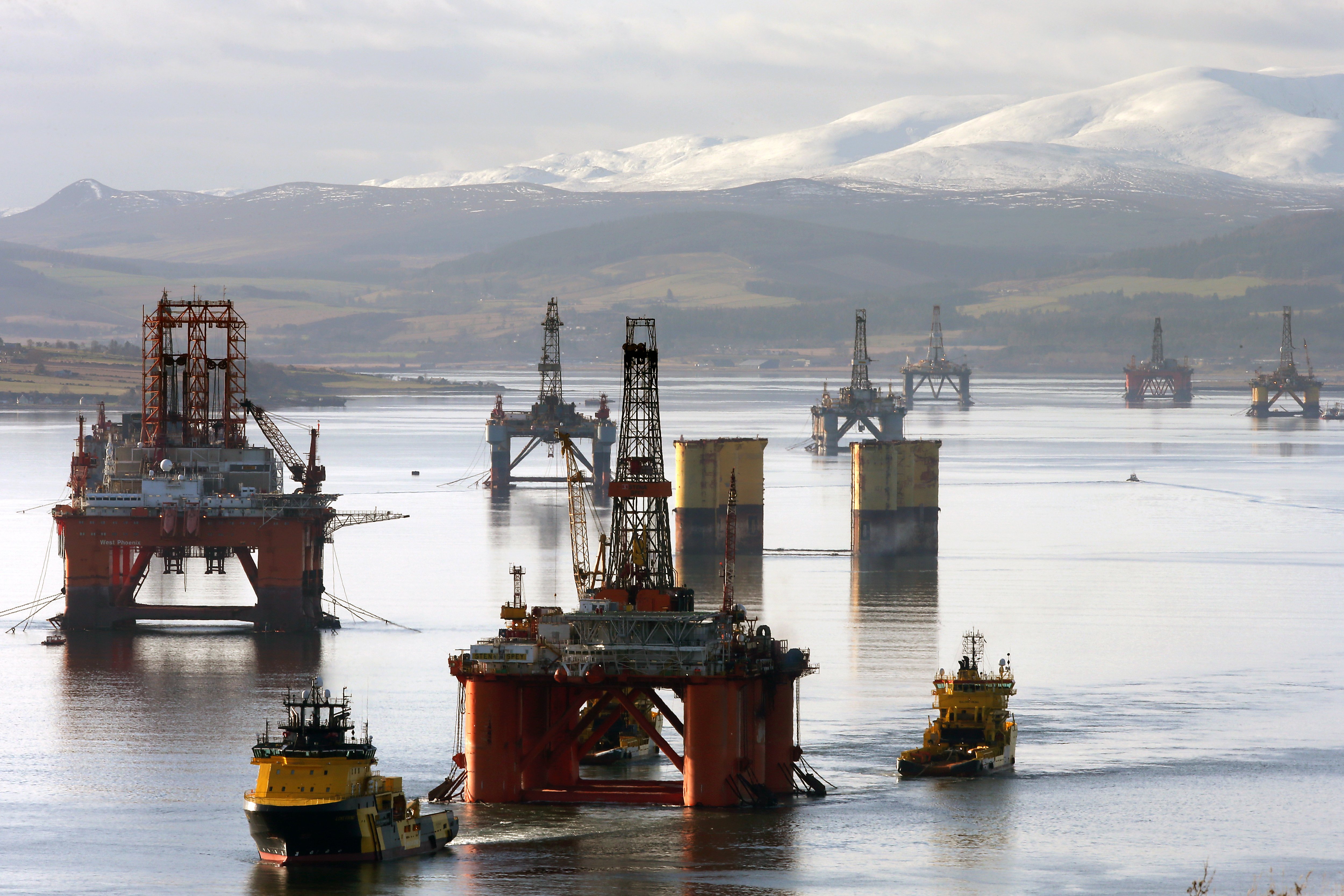
Blocking North Sea production while plans are afoot to boost infrastructure for imports suggests that "the only oil and gas some politicians and activists object to is our own", industry leaders say.
The Government is considering new infrastructure for liquefied natural gas (LNG) imports, including housing a stockpile for emergencies.
A floating storage and regasification unit – a giant ship capable of turning imported LNG back into gas - is also under consideration.
The measures are being considered because of the "geological reality" that North Sea production has fallen 74 per cent since its 2000 peak.
"The North Sea can therefore no longer be relied upon to meet our energy needs and we will become more reliant on our import infrastructure," wrote energy minister Michael Shanks.
But offshore experts say that the first move must be to ensure domestic supply continues. Approving Rosebank and Jackdaw must be "the first of many projects", they argue.
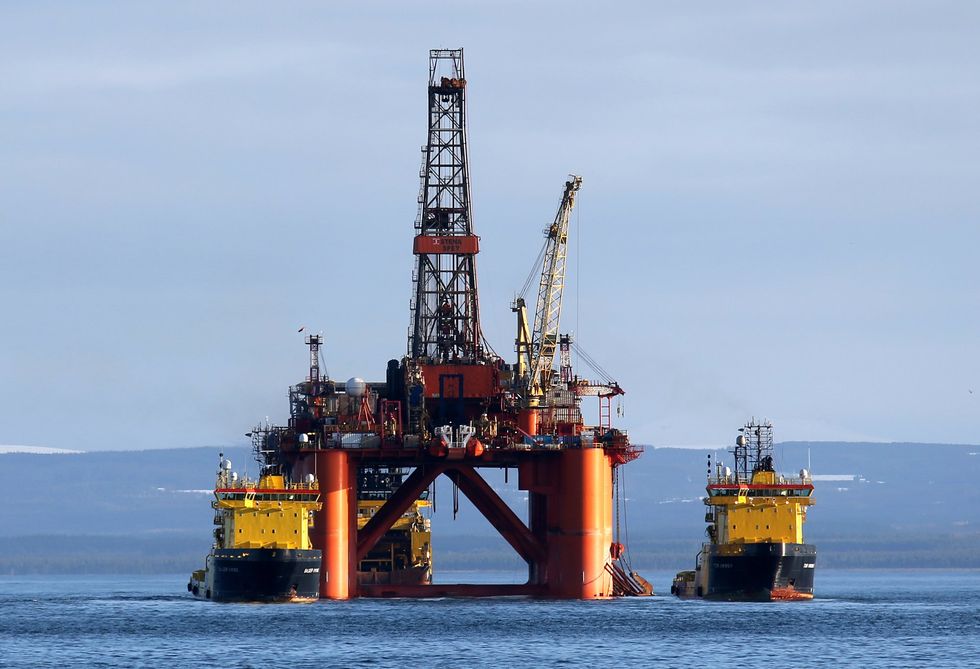
The fates of both Rosebank, Britain's largest untapped oil field, and Jackdaw, a gas field, hang in the balance.
Work was stopped at each following legal challenges on climate grounds. A consultation ended this month and the decision on whether work can restart rests with the Government.
It will be seen as a key test in the direction Mr Burnham's administration is taking on energy issues.
Supporters say approval would save on imports and be better for both the economy and the environment.
But climate campaigners say the ecological cost is too high. Proposals published last week by the Department for Energy Security and Net Zero laid out options for safeguarding the supply of imported gas against price shocks and geopolitical uncertainty.
Although no decisions have been reached, the options mooted could cost billions, and the paper suggested interventions "would amount to an unprecedented government intervention or investment in the gas market".
But the Aberdeen & Grampian Chamber of Commerce says that "if you block North Sea production, you get imports".
The offshore sector has long warned that operators are working in difficult economic conditions.
LATEST DEVELOPMENTS:
- Historic Cornish village at risk of being washed away as locals call for £120,000 repair job
- North Sea oil and gas sector to lose more than 100,000 jobs, shocking Labour figures reveal
- 'Madness!' Green Party considers stripping police of Tasers and pepper spray under crime plan
New exploration licences have been banned and, thanks to the Energy Profits Levy, or windfall tax, North Sea firms face paying a total of 78 per cent on profits.
AGCC Chief Executive Russell Borthwick said it would "defy belief" for the Government to block new North Sea fields while preparing to spend billions increasing Britain’s capacity to import LNG.
Mr Borthwick said: "The hypocrisy of efforts to halt new North Sea production has been laid bare by this paper, which should become essential reading for anyone who thinks blocking domestic production means Britain will somehow stop using oil and gas.
"The Government admits we will need gas for decades to come, warns explicitly that the North Sea decline threatens our energy security, and is now considering unprecedented intervention to support additional LNG import capacity, potentially costing billions.
"If you block North Sea production, you get imports. It would therefore defy belief for a Prime Minister to block production at Jackdaw and Rosebank – two fields which alone could provide around 10 per cent of our future gas supply – only to then wave in tankers carrying higher-carbon LNG from overseas.
"Climate action should begin with reducing our reliance on imported energy - but it appears that the only oil and gas some politicians and activists object to is our own."

Figures from the North Sea Transition Authority showed imported LNG had a higher carbon footprint than domestic gas.
This indicates that approving the home fields would be better for the planet, supporters say.
Mr Borthwick added: "The economic case is just as compelling. Every million barrels produced at home supports 90 times more jobs, generates 150 times more employment taxes and more than 400 times more industry taxes than importing the same amount.
"The North Sea decline outlined in this paper is being driven by Government policy, not geology.
"The Energy Profits Levy must go and Jackdaw and Rosebank have to be consented - and they must be the first of many projects which replace imports with cleaner domestic production, protecting jobs, investment and our energy security."
Steve Gray is the co-founder of Ventex, an Aberdeen-based venture studio which owns a number of supply chain companies and supports their transition to Net Zero.
Mr Gray said: “To increase imports of higher-emitting LNG before utilising to resources of Rosebank, Jackdaw and other North Sea fields makes no sense, either economically or environmentally.
"It is consumption, not production, of fossil fuels that drives carbon emissions - a simple fact that seems to be ignored.
"As things stand in the UK, oil and gas production is taxed at 78 per cent, new drilling licences are banned and all activity subjected to the highest of regulatory standards.
"Unsurprisingly, this is driving down our domestic production to the point where the UK now produces only half of what it consumes.
"We are replacing that production with imported oil and gas which is taxed at 0 per cent, with zero control over how it is produced or regulated.
"If we are going to use this energy anyway, surely the responsible choice is to produce as much of it as we can here at home, supporting British jobs and paying British taxes, rather than importing a higher-carbon alternative from overseas."
A spokesman for DESNZ said: "The North Sea remains a vital national asset, supporting jobs, growth and the UK’s energy security.
"We are delivering a gas system that is fit for the future, maintaining secure supplies, ensuring value for money for consumers and giving the sector the certainty it needs to invest in Britain’s energy."
Mr Shanks said, in the document, that our gas use would decline as the country decarbonises.
"However, we recognise that this transition will not happen overnight; the gas system will still play an important role in our energy system for decades to come," he writes.
"We have a responsibility to the millions of households that will be heated by gas for years ahead, the industries that rely on it for essential production, and the power system in which gas continues to play a key role."
He added that "Government does not take the role of the gas system for granted" and wanted to ensure that "decisions can be taken today that help provide security for tomorrow".
Our Standards: The GB News Editorial Charter