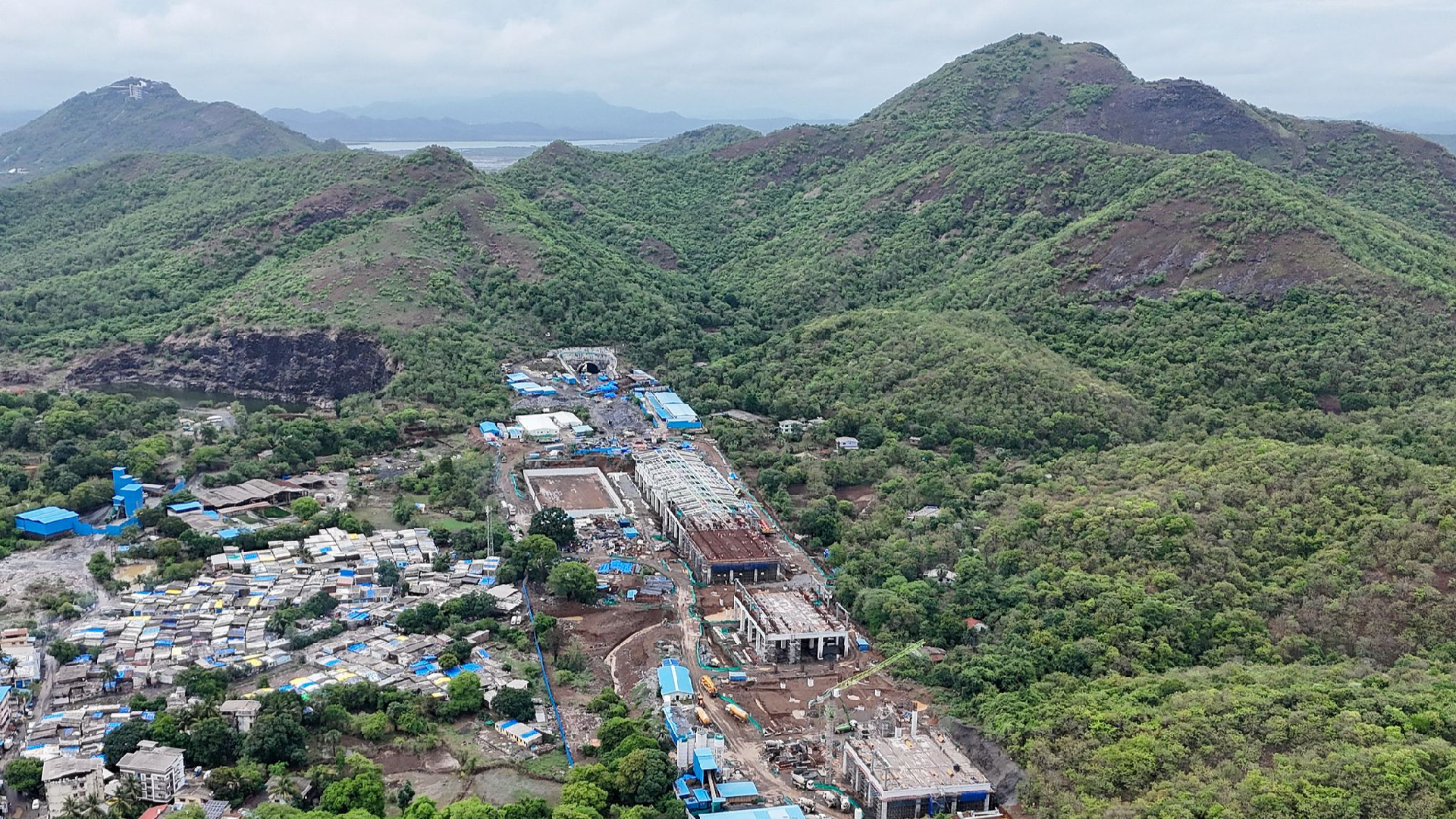
India-Japan bullet train project faces renewed scrutiny
•India's first bullet train corridor, the Mumbai-Ahmedabad High-Speed Rail, has returned to the spotlight after a public exchange between a former Japanese cabinet minister and the Indian government ov...
هذا الخبر من CGTN EN. خبر يقدم أدوات ذكاء اصطناعي للتلخيص والترجمة والاستماع.
المصدر: CGTN EN | Source: CGTN ENIndia's first bullet train corridor, the Mumbai-Ahmedabad High-Speed Rail, has returned to the spotlight after a public exchange between a former Japanese cabinet minister and the Indian government over delays, technology choices and implementation.
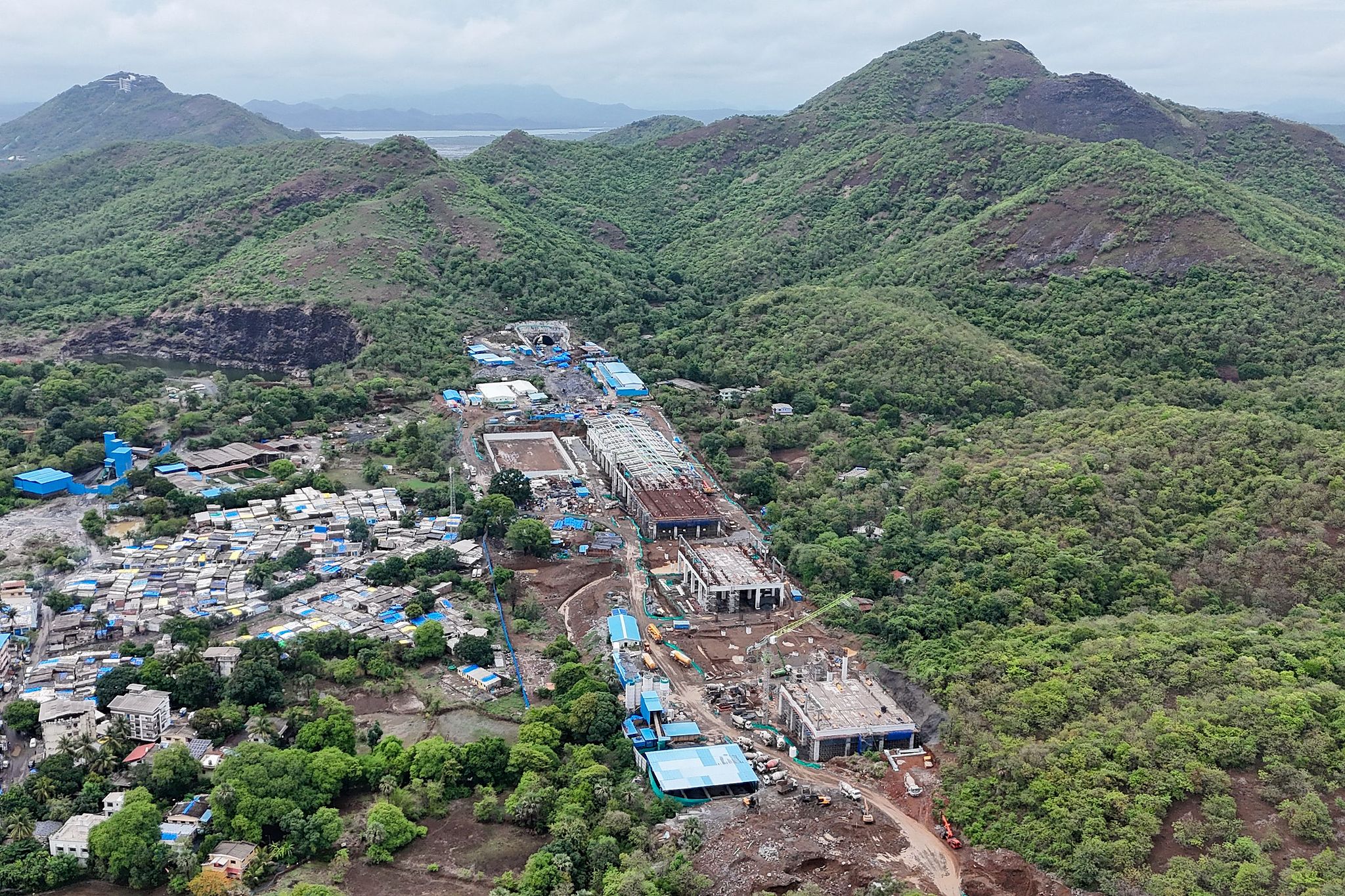
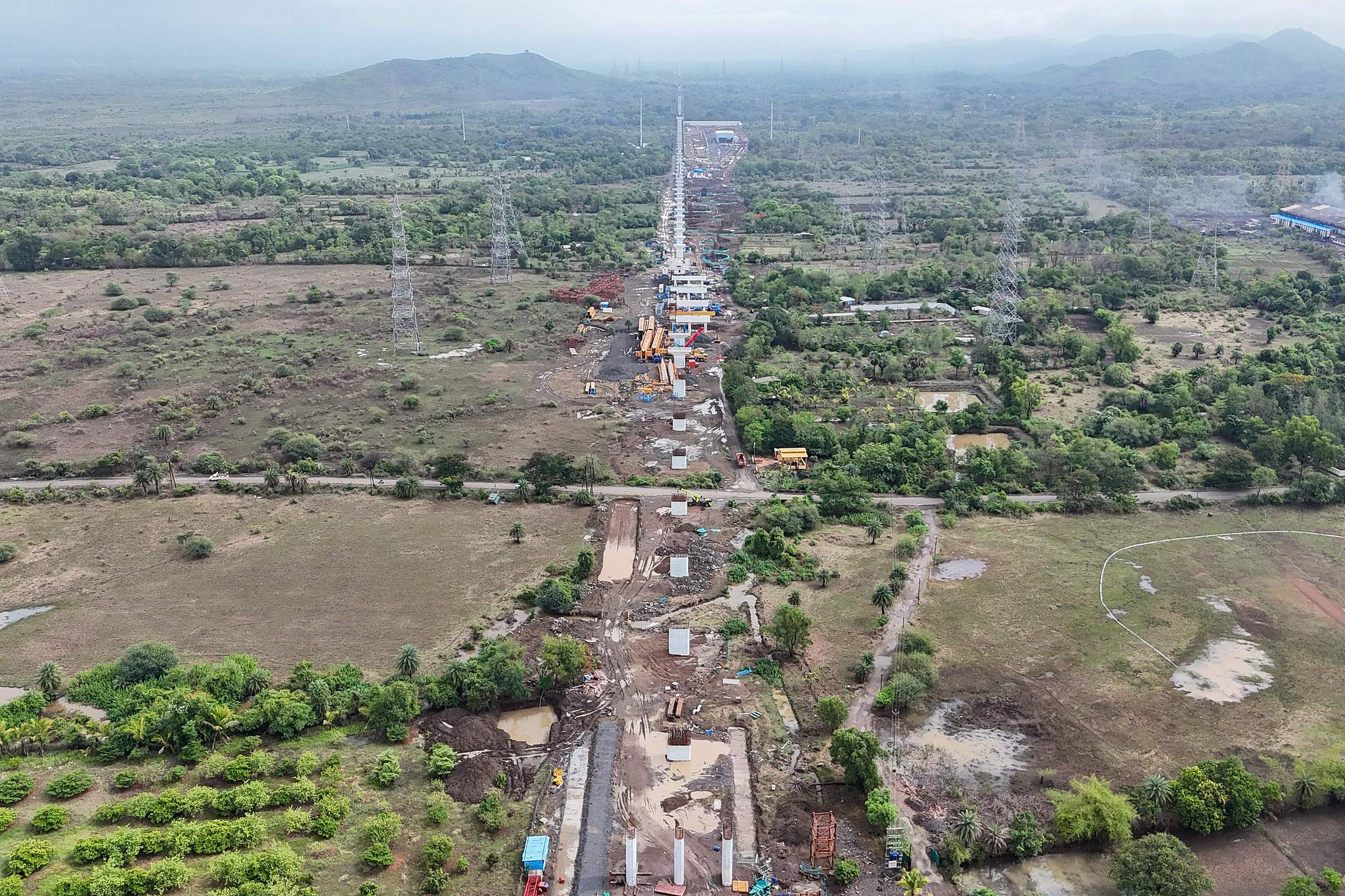
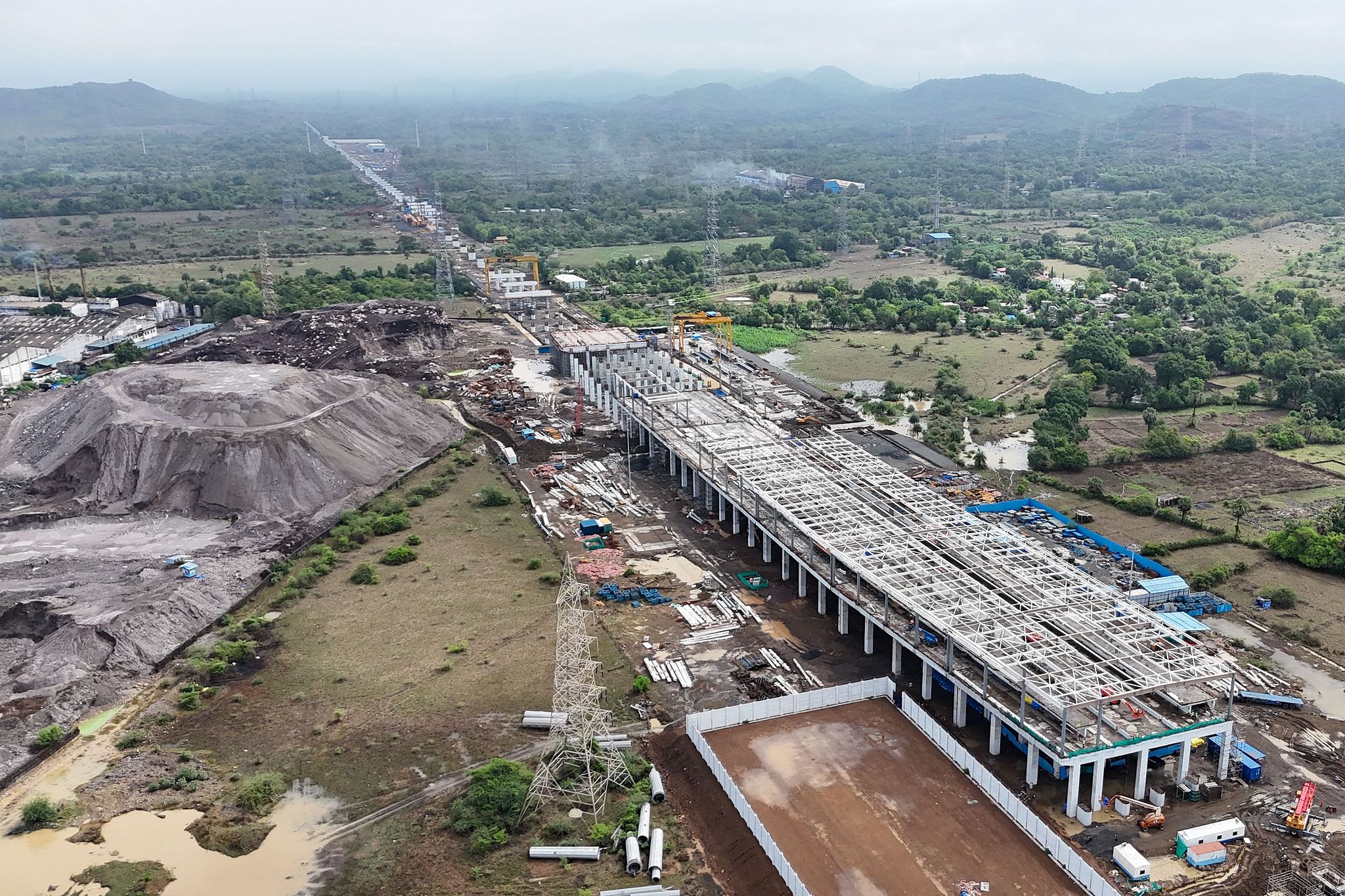
Financed by low-interest Japanese yen loans and based on Shinkansen technology, the railway has been under construction since 2017. It missed its original 2023 launch target, largely because of land acquisition delays. India now aims to open its first section on August 15, 2027.
The latest dispute began after former Japanese Justice Minister Hideki Makihara accused India of repeatedly reneging on commitments and sidelining Japanese technology by adopting a European signaling system. Indian officials rejected the criticism, calling it a personal opinion that did not reflect the facts or the current state of bilateral discussions.
India's Ministry of External Affairs said the two countries continue to make steady progress on the flagship project. According to the ministry, both sides agreed that the line will initially operate with trains manufactured in India because Japan's next-generation E10 Shinkansen is still under development and is expected to become available after 2030.
India also said the signaling system was procured in line with international standards and that it had not received a Japanese proposal for the signaling package.
The project reflects India's broader push to build domestic high-speed rail capabilities. State-owned firm BEML has been contracted to design and manufacture the trainsets, with an initial model set for a maximum operating speed of 280 km/h and a later version reaching 350 km/h.
Supporters see it as a milestone for India's manufacturing ambitions, but some Japanese railway experts have questioned whether domestic suppliers can develop high-speed rolling stock within the planned timetable.
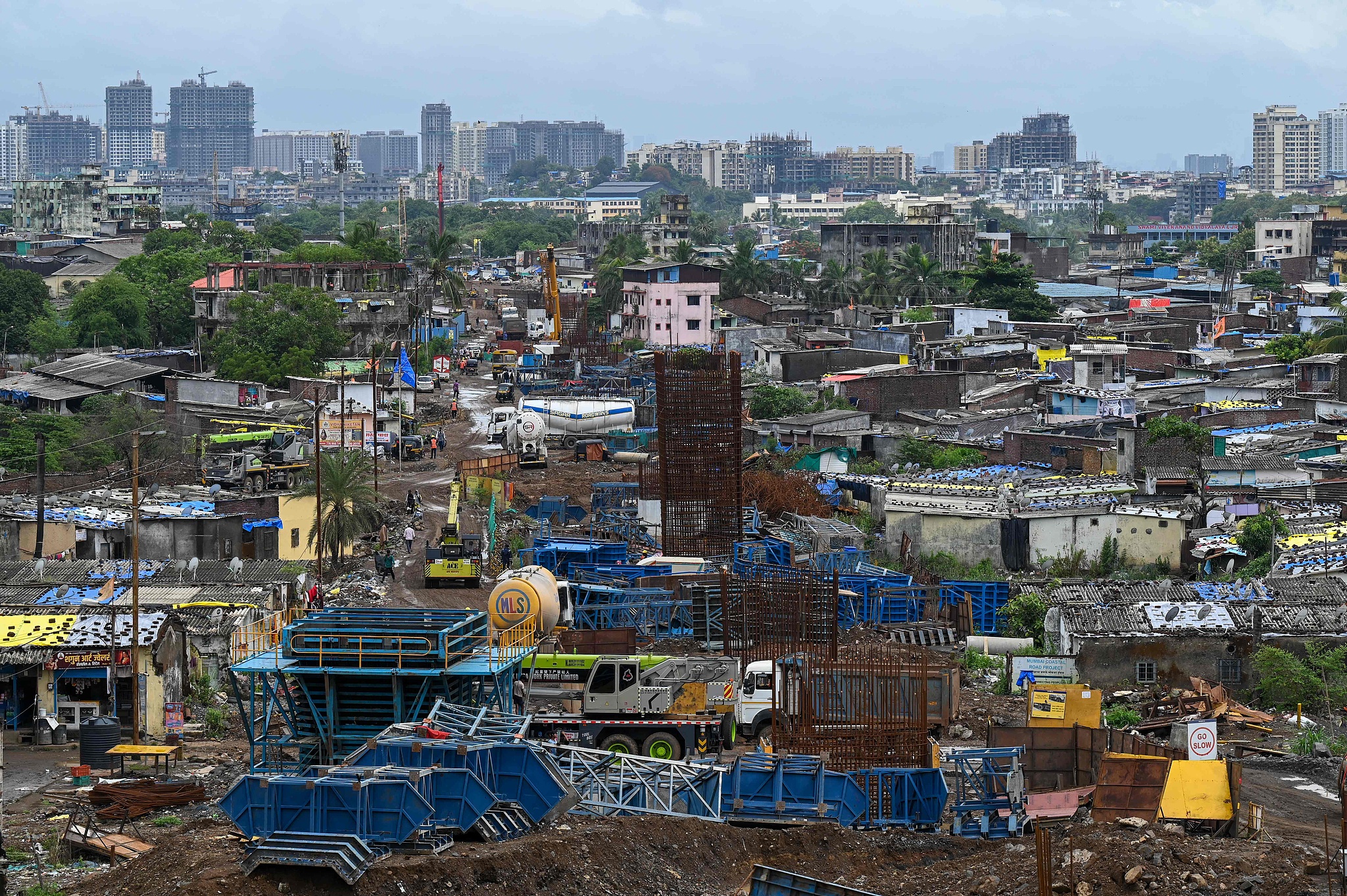
Despite the controversy, construction has continued to advance. Major works, including India's first undersea rail tunnel, are ongoing.
The dispute might be about signaling systems and train designs, but at its core it highlights the challenges of balancing technology transfer, industrial policy and commercial interests in large cross-border infrastructure projects.
ملاحظة تحريرية | Editorial Note: نُشر هذا المقال في الأصل بواسطة CGTN EN. خبر (Khabr) هي منصة إعلامية أردنية مرخّصة تعمل بالذكاء الاصطناعي. نضيف قيمة تحريرية من خلال: تحليل ذكي للأخبار، ملخصات تلقائية، رواية صوتية بالذكاء الاصطناعي، ترجمة متعددة اللغات، وتدقيق الحقائق. هدفنا جعل الأخبار أكثر وضوحاً وسهولةً للقارئ العربي.
This article was originally published by CGTN EN. Khabr is a licensed Jordanian AI-powered news platform (Registration #82086). We add editorial value through: AI-powered news analysis, automated summaries, AI audio narration, multi-language translation (Arabic, English, French, Turkish), and AI fact-checking. Our mission is to make news more accessible and understandable for Arabic-speaking audiences worldwide.