India 'a tough nut to crack' on agriculture, says US trade representative amid talks
•E-PaperSubscribeSubscribeEnjoy unlimited accessSubscribe Now!
•Get features like India remains “a tough nut to crack” on agriculture but the two sides can find mutually agreed common ground, US Trade Representative Jamieson Greer told a congressional committee, a...
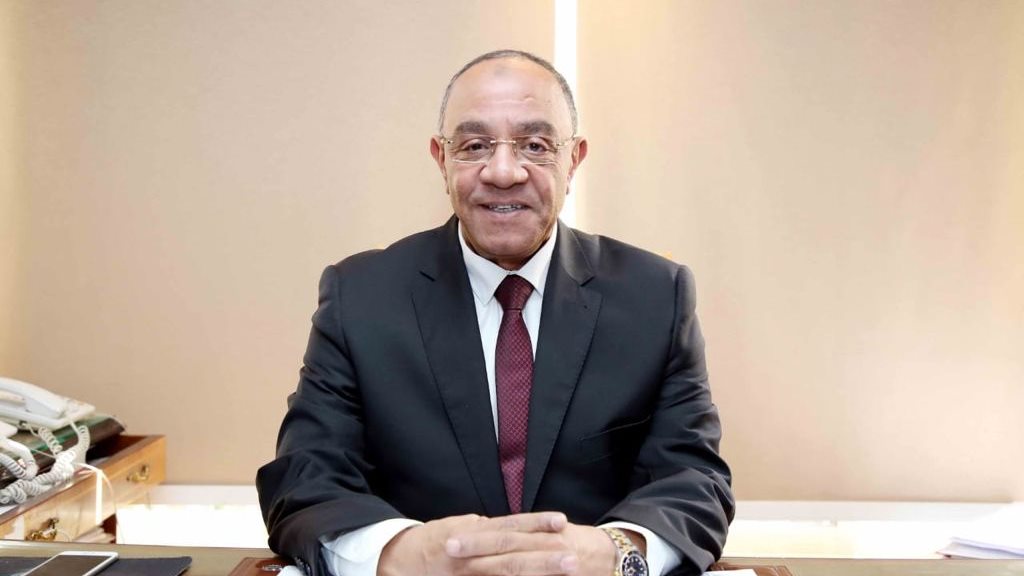
•File photo of US trade representative Jamieson Greer.
هذا الخبر من Hindustan Times. خبر يقدم أدوات ذكاء اصطناعي للتلخيص والترجمة والاستماع.
E-PaperSubscribeSubscribeEnjoy unlimited accessSubscribe Now! Get features like India remains “a tough nut to crack” on agriculture but the two sides can find mutually agreed common ground, US Trade Representative Jamieson Greer told a congressional committee, as an Indian trade delegation led by chief negotiator Darpan Jain was in Washington for a three-day round of face-to-face talks—the first in six months. File photo of US trade representative Jamieson Greer. (HT_PRINT)Greer was answering queries from Congressman Randy Feenstra at a hearing on the Trump administration’s 2026 trade policy agenda before the House ways and means committee on Tuesday. Feenstra, who represents Iowa’s 4th congressional district and sits on both the ways and means and agriculture committees, pressed Greer on access to India’s agricultural market and on exports of animal feed products including dried distillers’ grains (DDGs), soybean meal and ethanol. Iowa is among the largest egg-producing districts in the US and leads in corn, soybeans, pork and biofuels. “India remains probably one of the most restrictive markets when it comes to agriculture and I’m excited to see the progress that the two parties are working with the US-India trade agreement, trade framework,” Feenstra said. Greer confirmed the two sides were actively engaged. “Yes, so you’ll know that we have a joint framework agreement with India that we signed that sets out the general terms of our agreement. The Indian trade negotiators are in town this week. So we’ve been talking this week about these issues including about these specific commodities you talked about—DDGs etc,” he told the committee. “India is a tough nut to crack. They’ve protected their agricultural markets for a very long time. As part of this deal, they’re going to want to protect a lot of that still. There are things though where I think we can find mutual agreement. DDGs is a good example of this,” he said. While Greer did not disclose the outcome of the talks, his remarks confirmed the negotiations are live and focused. The DDGs reference is significant. Under the framework for an interim bilateral trade agreement agreed on February 7, India permitted limited imports of DDGs from the US—about 1% of its 50 million tonne annual consumption. The joint statement said India would eliminate or reduce tariffs on all American industrial goods and a wide range of food and agricultural products, including DDGs and red sorghum for animal feed. India’s foreign ministry spokesperson Randhir Jaiswal, at his weekly media briefing on Thursday, said the talks were “ongoing and constructive.” “Both sides are working towards a balanced, mutually beneficial and forward-looking trade agreement, taking into account each other’s concerns and priorities, and to achieve a trade target of $500 billion by 2030,” he said. That target would be more than double bilateral goods and services trade of roughly $212 billion in 2024. The commerce ministry did not respond to a separate query on the talks. The visiting delegation is expected to return to New Delhi by Friday. The talks are proceeding on two broad tracks, people aware of the development said, requesting anonymity: establishing a legally tenable tariff architecture following the Supreme Court’s ruling, and securing India’s comparative advantage over competing exporters like China, Vietnam, Bangladesh, Sri Lanka and Indonesia.المصدر: Hindustan Times | Source: Hindustan Times
ملاحظة تحريرية | Editorial Note: نُشر هذا المقال في الأصل بواسطة Hindustan Times. خبر (Khabr) هي منصة إعلامية أردنية مرخّصة تعمل بالذكاء الاصطناعي. نضيف قيمة تحريرية من خلال: تحليل ذكي للأخبار، ملخصات تلقائية، رواية صوتية بالذكاء الاصطناعي، ترجمة متعددة اللغات، وتدقيق الحقائق. هدفنا جعل الأخبار أكثر وضوحاً وسهولةً للقارئ العربي.
This article was originally published by Hindustan Times. Khabr is a licensed Jordanian AI-powered news platform (Registration #82086). We add editorial value through: AI-powered news analysis, automated summaries, AI audio narration, multi-language translation (Arabic, English, French, Turkish), and AI fact-checking. Our mission is to make news more accessible and understandable for Arabic-speaking audiences worldwide.