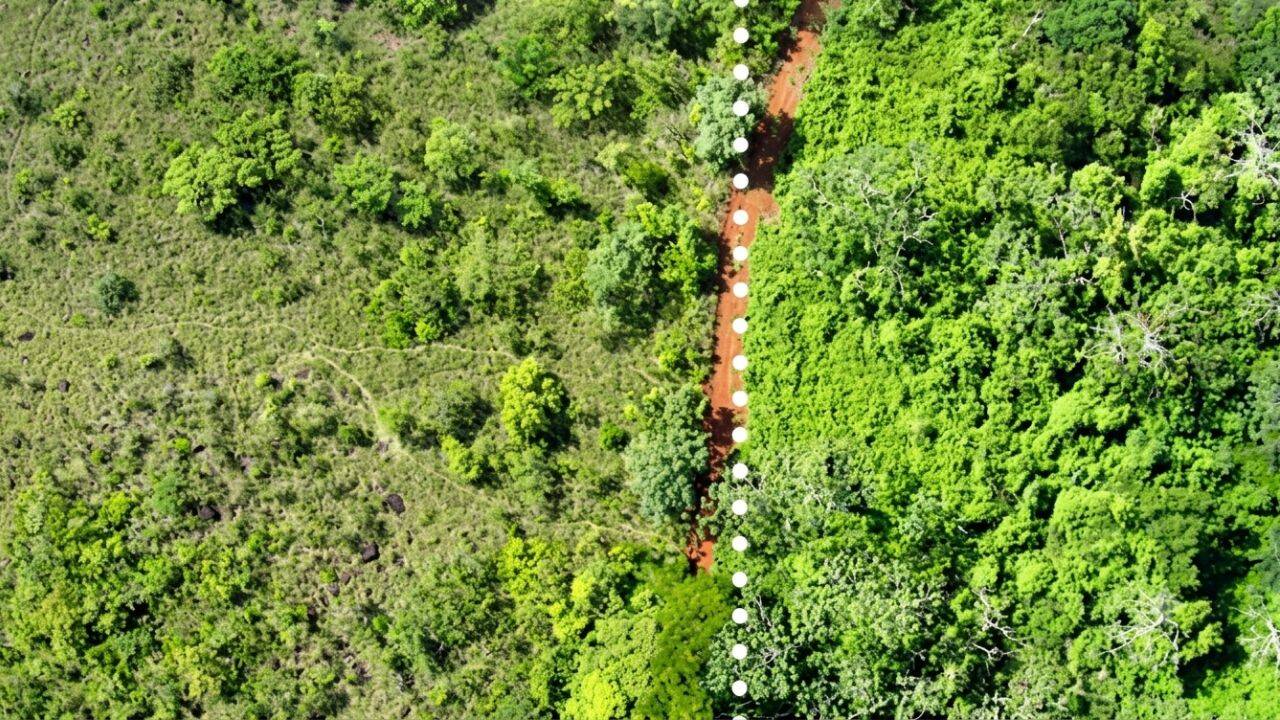
In 1998, Costa Rica spread 12,000 tonnes of orange waste; 16 years later, forest biomass rose 176%
•In 1998, about 12,000 metric tonnes of orange peels and pulp were spread over a degraded pasture in Costa Rica as part of an unusual forest restoration experiment.
•Sixteen years later, researchers found that the site had developed into a dense forest, with richer soil, greater tree diversity and a 176% increase in aboveground biomass.
هذا الخبر من Times of India. خبر يقدم أدوات ذكاء اصطناعي للتلخيص والترجمة والاستماع.
ملاحظة تحريرية | Editorial Note: نُشر هذا المقال في الأصل بواسطة Times of India. خبر (Khabr) هي منصة إعلامية أردنية مرخّصة تعمل بالذكاء الاصطناعي. نضيف قيمة تحريرية من خلال: تحليل ذكي للأخبار، ملخصات تلقائية، رواية صوتية بالذكاء الاصطناعي، ترجمة متعددة اللغات، وتدقيق الحقائق. هدفنا جعل الأخبار أكثر وضوحاً وسهولةً للقارئ العربي.
This article was originally published by Times of India. Khabr is a licensed Jordanian AI-powered news platform (Registration #82086). We add editorial value through: AI-powered news analysis, automated summaries, AI audio narration, multi-language translation (Arabic, English, French, Turkish), and AI fact-checking. Our mission is to make news more accessible and understandable for Arabic-speaking audiences worldwide.