Understanding the Current State of Oil Prices
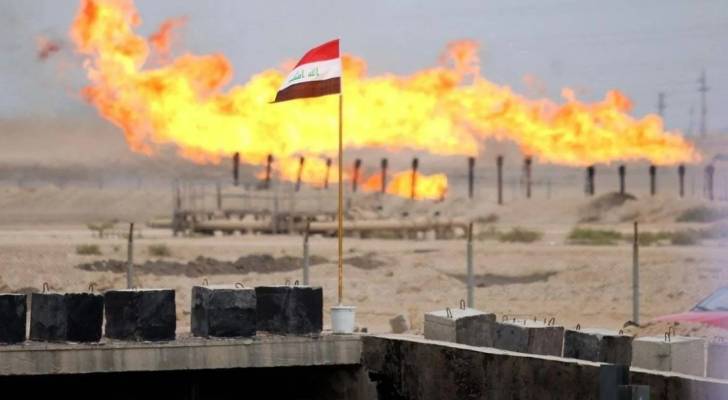
The oil market is experiencing significant volatility as we approach the end of 2023. Recent geopolitical events, including tensions in the Middle East and sanctions on major oil-producing countries, have contributed to an unpredictable oil supply. This situation raises concerns about the future trajectory of oil prices, prompting both consumers and industry experts to ponder how high prices could climb in the coming months.
Factors Influencing Oil Prices
A variety of factors play a role in determining oil prices. Geopolitical instability is a major contributor, as conflicts can disrupt production and transportation routes. Additionally, OPEC's decisions regarding production levels directly impact supply. Recent announcements of production cuts from key OPEC+ members have led to fears of tighter supply, further exacerbating price increases.
Moreover, the ongoing recovery from the COVID-19 pandemic has led to a surge in demand for energy. As economies reopen and travel resumes, the appetite for oil is climbing. This increased demand, coupled with limited supply, sets the stage for a potential spike in oil prices, leaving many to wonder when the next price surge will occur.
Predictions for Future Oil Prices
Analysts predict that oil prices could rise significantly in the next few months. Some estimates suggest that prices could reach $100 per barrel by early 2024 if current trends continue. Factors such as seasonal demand and the potential for new sanctions against oil-producing countries could further fuel this increase.
In the U.S., consumers may start to feel the impact of rising oil prices at the pump. Gasoline prices, which are closely tied to crude oil prices, are anticipated to rise alongside their crude counterparts. Families and businesses may need to brace for higher transportation costs, which could contribute to inflationary pressures across various sectors.
Strategies for Consumers and Businesses
As oil prices threaten to escalate, consumers and businesses must consider strategies to mitigate the impact. For individual consumers, budgeting for increased fuel costs and exploring alternative transportation methods—such as carpooling or public transport—can help alleviate financial strain.
Businesses, particularly those reliant on transportation and logistics, should evaluate their supply chain strategies. Investing in fuel-efficient vehicles or exploring alternative energy sources may provide long-term cost savings and reduce exposure to volatile oil prices.
Conclusion
The outlook for oil prices remains uncertain, with various factors influencing the market. As geopolitical tensions persist and demand continues to recover, consumers should prepare for the possibility of higher prices at the pump. Staying informed and adapting strategies will be key in navigating the challenges ahead in the oil market.