📱حمّل تطبيق خبر الآن!— تابع الأخبار لحظة بلحظة
App Store
...|🕐--:--
------
عاجل
⚡ عاجل: كريستيانو رونالدو يُتوّج كأفضل لاعب كرة قدم في العالم●⚡ أخبار عاجلة تتابعونها لحظة بلحظة على خبر●⚡ تابعوا آخر المستجدات والأحداث من حول العالم●
AI اقتراحات ذكية
AI مباشر|--مشاهد مباشر
1,080,092مقال401مصدر نشط228قناة مباشرة4,068خبر اليوم
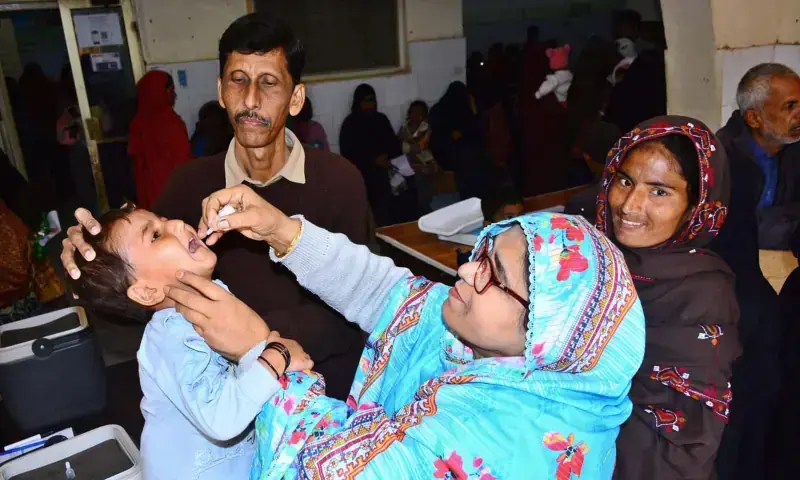
•VACCINES rarely make the headlines unless there is an outbreak.
•This World Immunisation Week, it is a moment to reflect on how one of Pakistan’s quietest public-health successes remains one of its most consequential.
•Since the Expanded Programme on Immunisation began in 1978, vaccines have helped avert 2.6m child deaths, protected millions of mothers and children, and contributed to a 99.8pc reduction in paralytic...
هذا الخبر من Dawn. خبر يقدم أدوات ذكاء اصطناعي للتلخيص والترجمة والاستماع.
VACCINES rarely make the headlines unless there is an outbreak. This World Immunisation Week, it is a moment to reflect on how one of Pakistan’s quietest public-health successes remains one of its most consequential.
Since the Expanded Programme on Immunisation began in 1978, vaccines have helped avert 2.6m child deaths, protected millions of mothers and children, and contributed to a 99.8pc reduction in paralytic polio since 1994. WHO estimates routine immunisation averts up to 17pc of childhood mortality in Pakistan.
Few health interventions achieve so much for so little. But this year’s theme — ‘For every generation, vaccines work’ — should not invite complacency. It should prompt a harder question: can the state ensure they reach every child?
There are worrying signs that make this question so pressing. Pakistan reported over 16,000 measles cases in 2025, with more than half among unvaccinated children. A preventable disease is resurging because too many children are missing routine doses, with deadly consequences for those already weakened by malnutrition.
While that is dangerous in itself, it is also a warning that immunity gaps are widening. Children may miss doses because of weak outreach, disrupted delivery, poor follow-up or misinformation. Some, however, receive no routine vaccines at all. These ‘zero-dose’ children are missed because health services do not reach them — a sign of structural failure, not parental neglect.
Pakistan’s Big Catch-Up campaign, which reached 2.8m children who had missed routine doses, showed progress. It also exposed the scale of gaps in routine immunisation. This is why immunisation cannot be treated as a series of emergency drives mounted when risk spikes. It must be understood as a routine public service, sustained through functioning primary healthcare, reliable cold chains, disease surveillance and last-mile delivery.
The polio campaign offers lessons. Its vast infrastructure shows what political focus can achieve. Yet polio’s persistence in pockets of the country shows that the final barriers remain less about the vaccine than about reaching every child. The same lesson applies more broadly. Vaccine hesitancy is blamed on ignorance, but misinformation, distrust and unreliable services also play a role.
Meanwhile, climate shocks, displacement and urban growth are making immunisation harder, especially for children in informal settlements and disaster-hit communities. Every missed vaccine also carries economic costs, pushing preventable illness onto families and an already strained health system.
The next frontier is not simply more campaigns, but closing immunity gaps through stronger routine systems. That requires budgets to protect immunisation financing, support front-line workers and strengthen local delivery. Immunisation is not an issue to be revisited each April, but a test of whether the state can reliably reach every child, every time.
ملاحظة تحريرية | Editorial Note:
نُشر هذا المقال في الأصل بواسطة Dawn.
خبر (Khabr) هي منصة إعلامية أردنية مرخّصة تعمل بالذكاء الاصطناعي.
نضيف قيمة تحريرية من خلال: تحليل ذكي للأخبار، ملخصات تلقائية، رواية صوتية بالذكاء الاصطناعي، ترجمة متعددة اللغات، وتدقيق الحقائق.
هدفنا جعل الأخبار أكثر وضوحاً وسهولةً للقارئ العربي.
This article was originally published by Dawn.
Khabr is a licensed Jordanian AI-powered news platform (Registration #82086).
We add editorial value through: AI-powered news analysis, automated summaries, AI audio narration, multi-language translation (Arabic, English, French, Turkish), and AI fact-checking.
Our mission is to make news more accessible and understandable for Arabic-speaking audiences worldwide.
هذا الخبر ضمن تغطية خبر لقسم صحة.
نقدّم لك تحليلات ذكية وملخصات يومية لأهم الأخبار من مصادر موثوقة متعددة.
المصدر: Dawn.
يوجد 6 مقالات مرتبطة بهذا الموضوع.
This article is part of Khabr's coverage of Health.
We provide AI-powered analysis, summaries, and multi-source aggregation to keep you informed.
Source: Dawn.
Tags: health, immunity, science.
🍪 نستخدم ملفات تعريف الارتباط لتحسين تجربتك وعرض الإعلانات المخصصة. باستخدامك للموقع، فإنك توافق على سياسة ملفات تعريف الارتباط وسياسة الخصوصية.
We use cookies to enhance your experience and show personalized ads. By using this site, you agree to our Cookie Policy and Privacy Policy.
🔍
FREEFree 1GB Internet + Free International Calls
$1 trial — eSIM in 190+ countries — No roaming charges