I’ve been tuning pianos for about 52 years. I’m 67 now, and I started as a self‑taught teenager, almost by accident. We had a piano at home in Prestwich – a very cheap upright from the 1920s, the kind you now see being used as street pianos in Manchester. One day, the elderly tuner we used didn’t do a job I was terribly happy with. Being a kid, I thought: “I can do better than that.”
I went into the city and bought a tuning key from Forsyth’s music shop in Deansgate, borrowed books from Henry Watson Music Library, and taught myself. My parents were supportive – to a point. They said: “If you break it, you’ll have to fix it yourself.”
Tuning the piano took a little while to work out. But I seemed to have a natural ear for what you were supposed to do. I doubt that I tuned it to a professional standard back then, but I got the piano sounding better than it was. My cousins, who were studying at the prestigious Chetham’s School of Music, came over to try it and said: “This piano is alright, it’s sounding good.” This was encouraging.
After that, I put a notice in a newsagents’ window: 25p for a tuning. The customers trickled in. I was a kid from a working‑class background; music was beyond my parents’ experience. Piano tuning was pin money, and it let me buy sheet music and pay for lessons.

When I told my careers teacher I wanted to be a piano tuner, he looked at me like I was crackers. My Dad said he wouldn’t support me, either, so I trained as a teacher instead. But, at 24, the call of pianos was too strong. I gave up teaching and I’ve never looked back.
Many people back then had decent pianos. They were very brave to let me have a go on them! They probably thought I looked keen and willing to have a go – and cheap, so he isn’t going to rip us off. These customers became lifelong friends.
You find odd things in pianos. Some of them are unmentionable, so I shan’t. People used to hide things in the bottom of the pianos and I would occasionally find old family documents. Once, I was tuning a piano for a young woman and saw something glint under the keys. I lifted them out, and there was a platinum and diamond engagement ring. How it got there, I have no idea.
I was alone in the room, my heart beating. “OK, what do I do with this?” I went to the client and said: “Look what I found.” She said: “Oh, I wondered where that had gone,” took it and walked away. Sheer wickedness made me think: I can see why she lost that. But it made me smile.
All pianos matter equally. Whether it’s a Steinway, a Schimmel or a John Smith, they get the same care from me. I once spoke to a prospective client who was the secretary of a prestigious music society. She told me: “It’s a Steinway, you know. It has to be done specially.” I said: “It’s no more important than any other piano. It gets the same care as everything else.” I didn’t get the job.

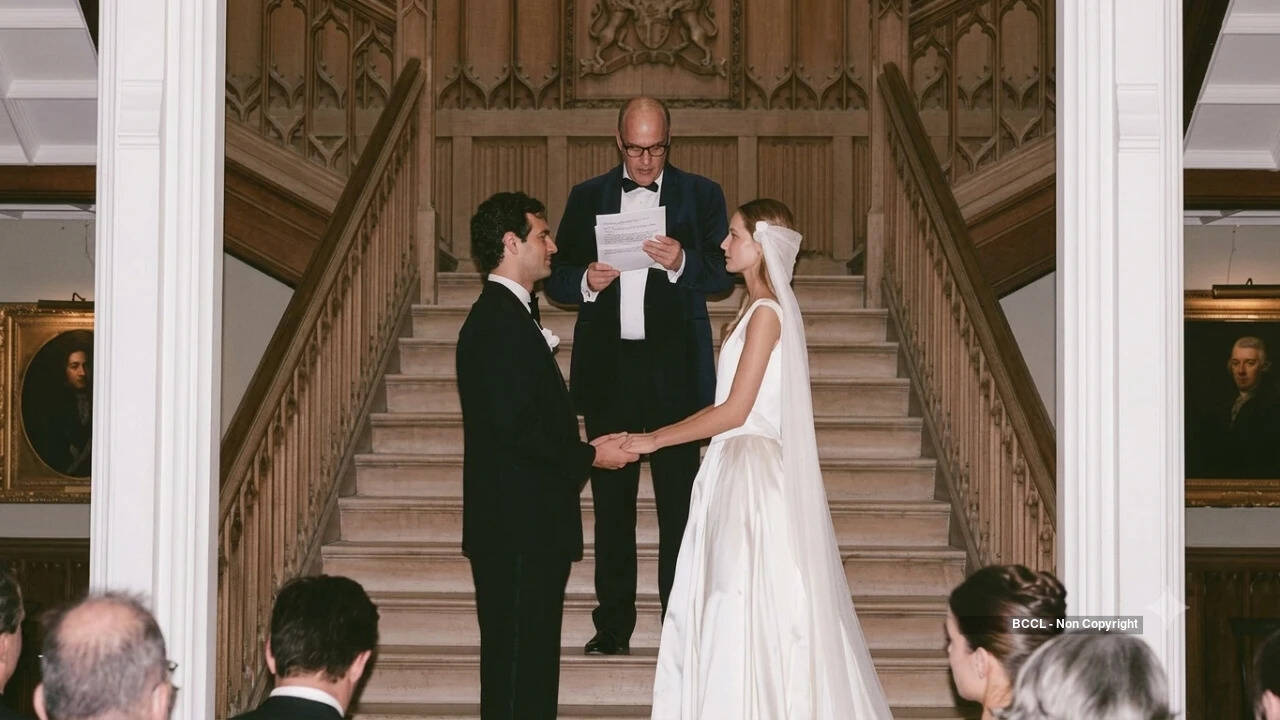
In the new Hollywood film, Tuner, starring Leo Woodall, the piano tuner has super-powered hearing. Do you need super‑powered hearing to do this job? I don’t think so. People can have very accurate hearing, but it’s not about what you hear, per se – it’s what the brain does with it.
Unlike Niki in the film, played by Woodall, I’ve never been asked to crack a safe for a criminal gang, either. The only thing I’ve ever cracked is my head on the underside of a piano, trying to fix the pedals. A bang on the head might be what got me into this in the first place. I also make bass strings for pianos, and could see the crooked implications of a film about those.
Younger tuners are different. I see them on Thursdays when I work in Forsyth’s. I don’t think they’re as well-trained – the courses don’t give them the time. But their abilities are every bit as good, if not better, than the old‑timers I once knew. Their attitudes are sometimes skew‑whiff, but the results speak for themselves.
A lot of them use electronic meters. In the past, tuning meters were quite cumbersome things – an expensive machine you had to carry around. I only used it once – it took longer and I didn’t have the patience. I just like to get on with the job. I’m hands-on.
I sometimes use a tuning fork to get the pitch for the first string. Mostly, though, I tune by ear. It takes about an hour to tune a piano.
Could AI do my job one day? I can’t see why not. But, creating a machine that could physically do what a human does would be so expensive that nobody in their right mind would build one.

People don’t always think piano tuning is a real job. A client once asked me: “Do you have any real qualifications?” I said I had a teaching degree, and suddenly I went up in her estimation. Another asked: “Do you do anything else?” Like, do I have a proper job? I have to tell them: this is my proper job.
Someone else said: “You must have a nice little flat by now?” I said: “Yes, I have a five‑bedroom bungalow, actually.” Another noticed my car and said: “Another new one!” I smiled and said: “Yes, and you helped pay for it.” People don’t think it’s possible that you can make a living from it.
Piano tuning is a people job. For some, you’re a nice visitor and good company. If they’re an elderly client, you might be the only person they’ve spoken to all week. They open up their hearts to you. What a privilege that is.
As told to James Banyard.
‘Tuner’ is in cinemas now