How The Iran War Could Trigger A Global Recession Hitting The U.S.
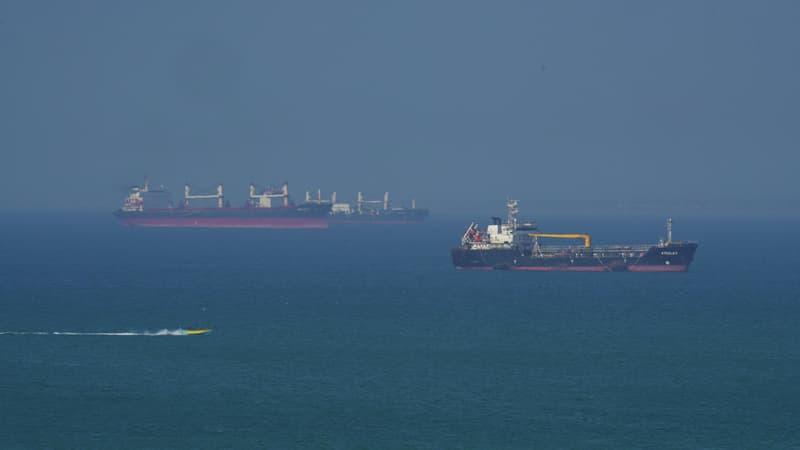
LeadershipLeadership StrategiesHow The Iran War Could Trigger A Global Recession Hitting The U.S.ByBill Conerly,Senior Contributor.Forbes contributors publish independent expert analyses and insights. Bill Conerly connect the dots between the economy ... and business!Follow AuthorApr 23, 2026, 07:30am EDT--:-- / --:--This voice experience is generated by AI. Learn more.This voice experience is generated by AI. Learn more.ARABIAN SEA - APRIL 20, 2026 (Handout Photo by the U.S. Navy via Getty Images)Getty ImagesLong-term closure of the Strait of Hormuz would trigger a worldwide recession, which would include the United States. At the time of this writing, the outcome of the Iran War is impossible to predict, at least for me. But the consequences of a long-lasting oil disruption would certainly be recessionary. The remainder of this article will explore the economic consequences of a one-year closure of the Strait of Hormuz.Lower Energy UsageWidely reported has been the statistic that about 20% of the world’s crude oil production flows through the Strait of Hormuz. And oil amounts to about one-third of the world’s energy production. That suggests about seven percent of global energy production depends on the Strait. That’s a low estimate, though, because some of the Persian Gulf’s crude oil becomes a feedstock for other products. Whatever the actual number, it’s large enough to impact the world economy.The price of crude oil is closely watched, but price obscures the central point: We will have less energy to consume if the Strait is shut down. That’s true however we figure out who gets to use the available energy. We could have a lottery: the losers would have to stop using energy. We could issue ration coupons, as many countries did during World War II. Most people would have to use somewhat less energy. We could allocate gasoline to those willing to wait in line the longest; those not willing to wait simply would get less energy. So the critical issue is not so much...المصدر: Forbes Business | Source: Forbes Business
ملاحظة تحريرية | Editorial Note: نُشر هذا المقال في الأصل بواسطة Forbes Business. خبر (Khabr) هي منصة إعلامية أردنية مرخّصة تعمل بالذكاء الاصطناعي. نضيف قيمة تحريرية من خلال: تحليل ذكي للأخبار، ملخصات تلقائية، رواية صوتية بالذكاء الاصطناعي، ترجمة متعددة اللغات، وتدقيق الحقائق. هدفنا جعل الأخبار أكثر وضوحاً وسهولةً للقارئ العربي.
This article was originally published by Forbes Business. Khabr is a licensed Jordanian AI-powered news platform (Registration #82086). We add editorial value through: AI-powered news analysis, automated summaries, AI audio narration, multi-language translation (Arabic, English, French, Turkish), and AI fact-checking. Our mission is to make news more accessible and understandable for Arabic-speaking audiences worldwide.