How men with female surnames are standing up to ridicule in Kenya
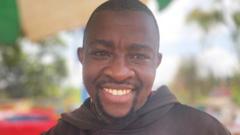
•How men with female surnames are standing up to ridicule in KenyaImage caption, Simon Macharia Wangũi says he is proud to have chosen his mother's name as his surnameByBasillioh RukangaReporting from...
•/* sc-component-id: sc-bdVaJa */ .sc-bdVaJa {} .rPqeC{overflow:hidden;display:-webkit-box;display:-webkit-flex;display:-ms-flexbox;display:flex;background-color:#F2EFEC;-webkit-flex-direction:row;-ms-...
هذا الخبر من BBC News. خبر يقدم أدوات ذكاء اصطناعي للتلخيص والترجمة والاستماع.
How men with female surnames are standing up to ridicule in KenyaImage caption, Simon Macharia Wangũi says he is proud to have chosen his mother's name as his surnameByBasillioh RukangaReporting fromNairobiPublished9 hours agoMany children in Kenya traditionally inherit their father's first name as their surname, but there are an increasing number of people who are taking their mother's instead.This is particularly the case amongst the country's largest ethnic group, the Kikuyu - and has become a subject of debate and in some cases ridicule for the men with female surnames.Girls and women who have their mother's names do not face the same censure - and often when they marry may opt to take their husband's first name as their surname.Some say the growing trend of men having female surnames reflects changing attitudes to women and their influence in what is a patriarchal society; others are critical of those who have been given - or in some cases opt to take - their mother's name.It used to be rare to see men in prominent positions with a female surname, but now there are even several politicians who have them - like MP John Njũgũna Wanjikũ.Brought up by a single mother, he was first elected in 2021 and goes by the nickname "Ka-Wanjikũ", meaning child of Wanjikũ.Some like Wanjikũ were given their female surname at birth, but others have chosen theirs to honour their mothers. /* sc-component-id: sc-bdVaJa */ .sc-bdVaJa {} .rPqeC{overflow:hidden;display:-webkit-box;display:-webkit-flex;display:-ms-flexbox;display:flex;background-color:#F2EFEC;-webkit-flex-direction:row;-ms-flex-direction:row;flex-direction:row;-webkit-flex-wrap:wrap;-ms-flex-wrap:wrap;flex-wrap:wrap;box-sizing:border-box;} /* sc-component-id: sc-bwzfXH */ .sc-bwzfXH {} .jonyDS{width:100%;height:100%;object-fit:cover;object-position:50% 50%;position:absolute;background-size:cover;background-position-x:50%;background-position-y:50%;background-image:url('...المصدر: BBC News | Source: BBC News
ملاحظة تحريرية | Editorial Note: نُشر هذا المقال في الأصل بواسطة BBC News. خبر (Khabr) هي منصة إعلامية أردنية مرخّصة تعمل بالذكاء الاصطناعي. نضيف قيمة تحريرية من خلال: تحليل ذكي للأخبار، ملخصات تلقائية، رواية صوتية بالذكاء الاصطناعي، ترجمة متعددة اللغات، وتدقيق الحقائق. هدفنا جعل الأخبار أكثر وضوحاً وسهولةً للقارئ العربي.
This article was originally published by BBC News. Khabr is a licensed Jordanian AI-powered news platform (Registration #82086). We add editorial value through: AI-powered news analysis, automated summaries, AI audio narration, multi-language translation (Arabic, English, French, Turkish), and AI fact-checking. Our mission is to make news more accessible and understandable for Arabic-speaking audiences worldwide.