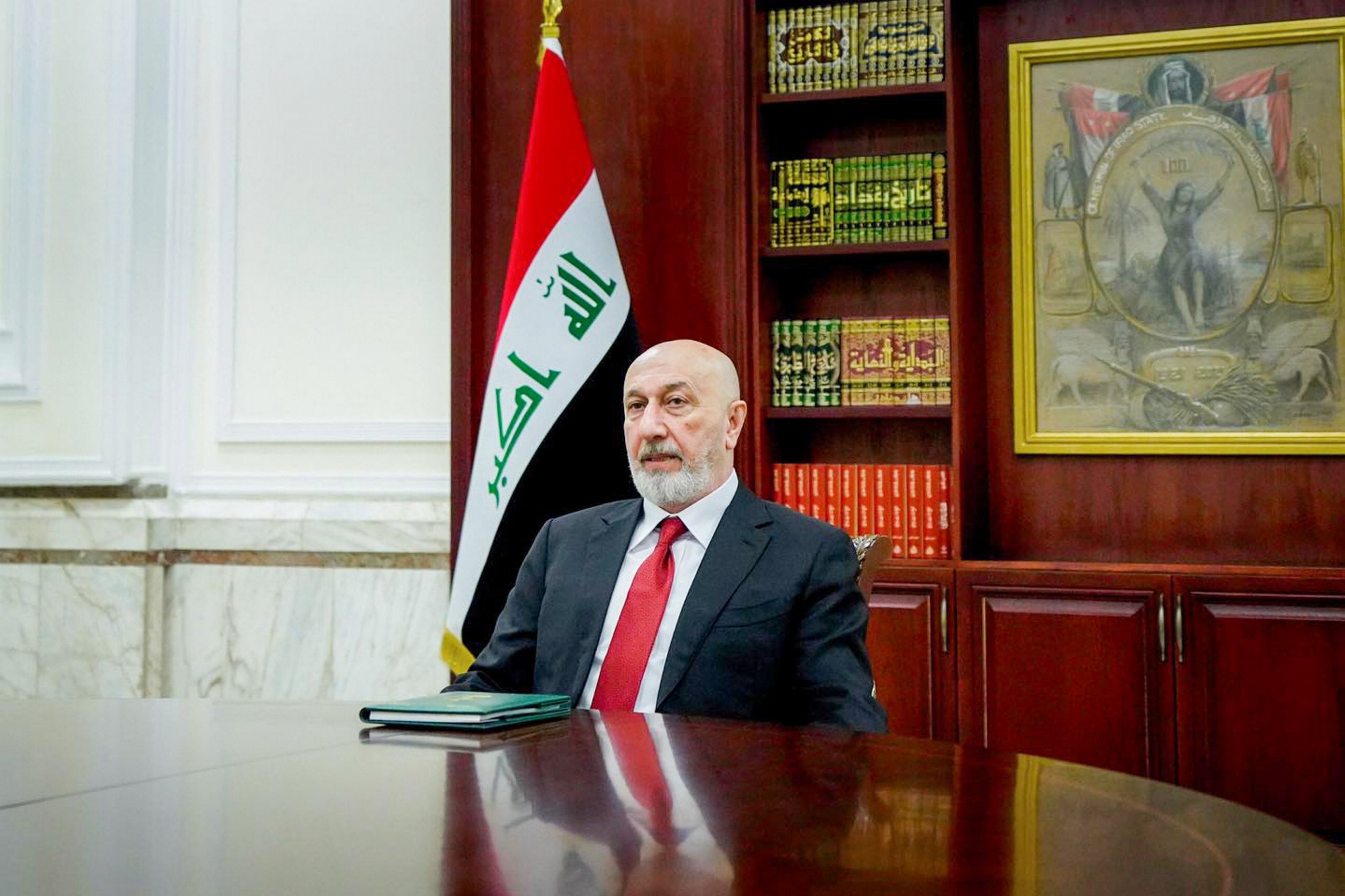
How Iraq’s presidential vote unfolds complex bargaining process
Following the Iraqi parliamentary elections held in 2025, presidential elections were held on April 11, 2026. According to these election results, Nizar Amidi, the candidate of the Patriotic Union of Kurdistan (PUK), took over the presidency from Abdullatif Rashid. The presidential election does not represent a procedural milestone but instead initiates a multi-layered political repositioning process in Iraq. Rather than being limited to electoral arithmetic, this process shapes intra-Kurdish dynamics, government formation negotiations in Baghdad, and the interaction between domestic politics and regional competition following the U.S.-Israel-Iran war. Electoral mechanism, outcome The Iraqi presidential election followed a two-round voting process due to the constitutionally required qualified majority. In the 329-seat parliament, at least 220 votes are needed to elect a president. Since this threshold was not met in the first round, the election moved to a second round.المصدر: Daily Sabah EN | Source: Daily Sabah EN
ملاحظة تحريرية | Editorial Note: نُشر هذا المقال في الأصل بواسطة Daily Sabah EN. خبر (Khabr) هي منصة إعلامية أردنية مرخّصة تعمل بالذكاء الاصطناعي. نضيف قيمة تحريرية من خلال: تحليل ذكي للأخبار، ملخصات تلقائية، رواية صوتية بالذكاء الاصطناعي، ترجمة متعددة اللغات، وتدقيق الحقائق. هدفنا جعل الأخبار أكثر وضوحاً وسهولةً للقارئ العربي.
This article was originally published by Daily Sabah EN. Khabr is a licensed Jordanian AI-powered news platform (Registration #82086). We add editorial value through: AI-powered news analysis, automated summaries, AI audio narration, multi-language translation (Arabic, English, French, Turkish), and AI fact-checking. Our mission is to make news more accessible and understandable for Arabic-speaking audiences worldwide.