How FTA’s new penalty framework turns compliance into a competitive edge
المصدر: Gulf News | Source: Gulf NewsSomething changed in the UAE tax landscape in April 2026 - and many GCC businesses still haven’t fully registered what it means for them.
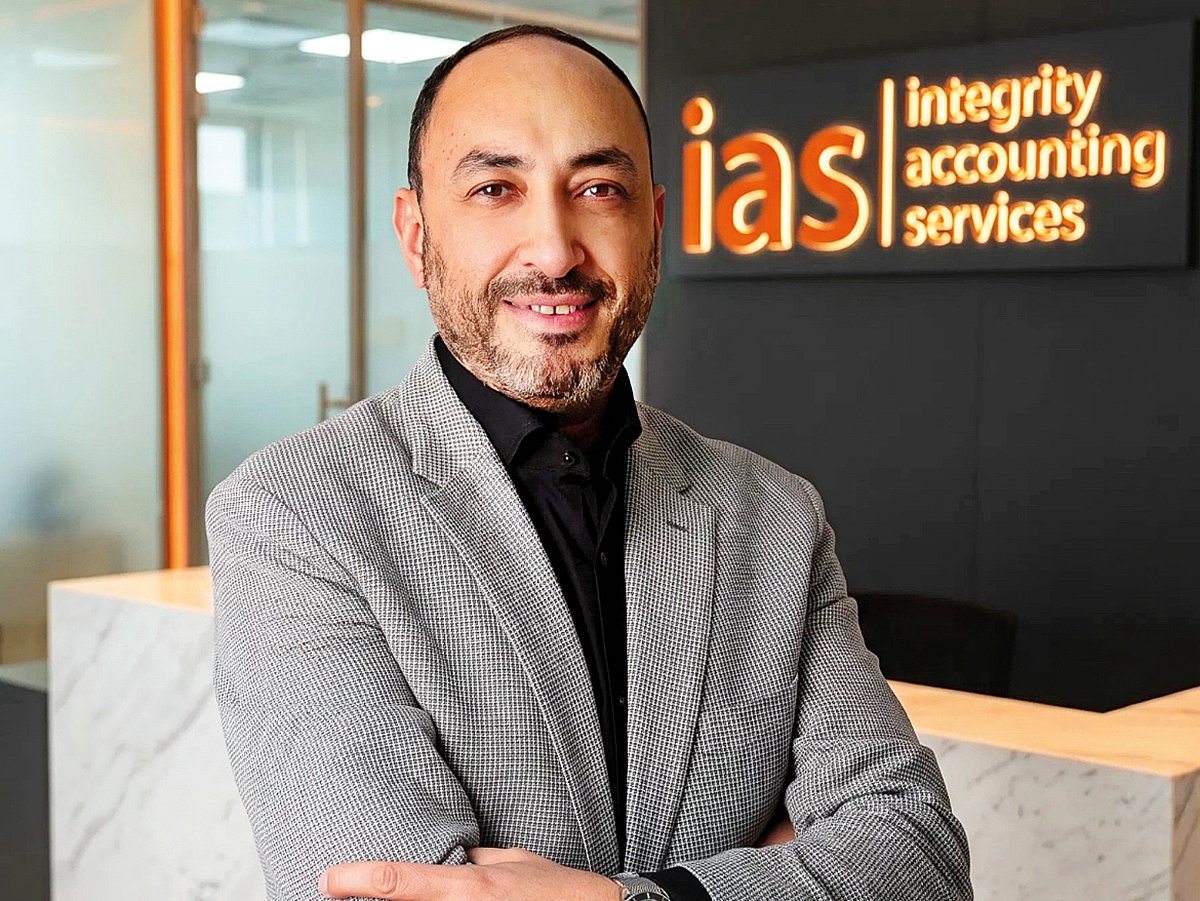
“Cabinet Decision No.129 of 2025, now in effect, isn’t just a tweak to the Federal Tax Authority’s (FTA) penalty structure. It’s a fundamental shift - moving from an enforcement-first model to one that genuinely rewards transparency and proactive compliance. For any company operating in the UAE today, that matters,” says Mostafa Elrefaey, Founder & CEO, Registered Tax Agent, Integrity Accounting Services (IAS).
“The numbers are hard to ignore. Businesses that voluntarily disclose tax errors now face just 1 per cent monthly penalties on the outstanding tax difference. Under the old framework, that same error could attract fixed penalties of 5–40 per cent. Incorrect tax returns, if self-corrected before the filing deadline, carry a flat Dh500 penalty. For companies managing complex structures - multinationals with transfer pricing obligations, entities in UAE free zones, or businesses with cross-border intra-group transactions - the difference between proactive disclosure and audit discovery can be substantial,” says Elrefaey.
But this isn’t purely about avoiding penalties.
“Companies that maintain audit-ready documentation covering transfer pricing policies, VAT compliance, and deduction schedules don’t just reduce risk - they signal operational maturity to investors, partners, and regulators alike. The window is only open to those who act first. Errors uncovered during FTA audits still carry 15 per cent fixed penalties plus monthly charges. The framework rewards those who come forward voluntarily - not those who wait,” he explains.
“At Integrity Accounting Services, we have spent over 25 years guiding businesses through the GCC’s regulatory landscape - across UAE, Bahrain, and Saudi Arabia, serving over 1,000 clients.
Our view has always been the same: smart tax compliance isn’t a cost. It’s a competitive advantage,” says Elrefaey, adding, “If you haven’t reviewed your tax position since April 14, 2026, now is the time.”
ملاحظة تحريرية | Editorial Note: نُشر هذا المقال في الأصل بواسطة Gulf News. خبر (Khabr) هي منصة إعلامية أردنية مرخّصة تعمل بالذكاء الاصطناعي. نضيف قيمة تحريرية من خلال: تحليل ذكي للأخبار، ملخصات تلقائية، رواية صوتية بالذكاء الاصطناعي، ترجمة متعددة اللغات، وتدقيق الحقائق. هدفنا جعل الأخبار أكثر وضوحاً وسهولةً للقارئ العربي.
This article was originally published by Gulf News. Khabr is a licensed Jordanian AI-powered news platform (Registration #82086). We add editorial value through: AI-powered news analysis, automated summaries, AI audio narration, multi-language translation (Arabic, English, French, Turkish), and AI fact-checking. Our mission is to make news more accessible and understandable for Arabic-speaking audiences worldwide.