How can we help our fathers live longer?
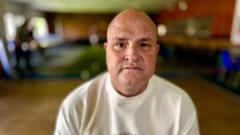
•How can we help our fathers live longer?5 hours agoShareSaveAdd as preferred on GoogleNikki FoxEast of England health correspondentMARTIN GILES/BBCShane Newton is living with prostate cancer, which ha...
•When 56-year-old Shane Newton, a father from Huntingdon in Cambridgeshire, finally decided to visit his GP, it was too late.The cancer, which was in his prostate, had already spread to his bones - som...
•You just don't like to admit you're not feeling good, you just sort of get on with life, you have aches and pains..."Because of work, I did 12-hour shifts, and so I didn't really get much spare time.....
هذا الخبر من BBC Health. خبر يقدم أدوات ذكاء اصطناعي للتلخيص والترجمة والاستماع.
ملاحظة تحريرية | Editorial Note: نُشر هذا المقال في الأصل بواسطة BBC Health. خبر (Khabr) هي منصة إعلامية أردنية مرخّصة تعمل بالذكاء الاصطناعي. نضيف قيمة تحريرية من خلال: تحليل ذكي للأخبار، ملخصات تلقائية، رواية صوتية بالذكاء الاصطناعي، ترجمة متعددة اللغات، وتدقيق الحقائق. هدفنا جعل الأخبار أكثر وضوحاً وسهولةً للقارئ العربي.
This article was originally published by BBC Health. Khabr is a licensed Jordanian AI-powered news platform (Registration #82086). We add editorial value through: AI-powered news analysis, automated summaries, AI audio narration, multi-language translation (Arabic, English, French, Turkish), and AI fact-checking. Our mission is to make news more accessible and understandable for Arabic-speaking audiences worldwide.