How big is Dubai’s Gold Line against other driverless metros worldwide
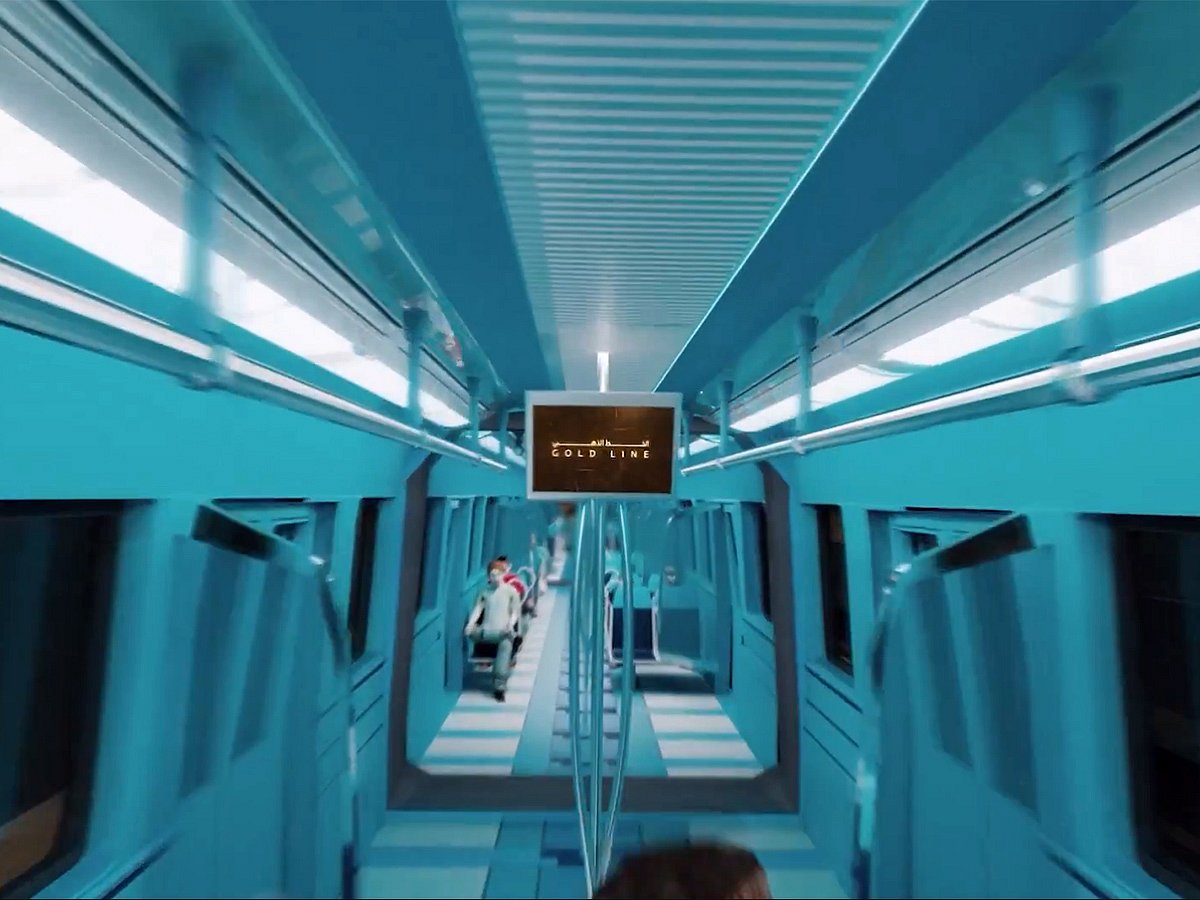
•Dubai: Dubai’s planned Gold Line will add 42km to the emirate’s metro network, taking the total length from 120km to 162km, according to the Roads and Transport Authority (RTA).
•The expansion will also increase the number of stations from 67 to 85, marking a 35% increase in network size.Get updated faster and for FREE: Download the Gulf News app now - simply click here.Larges...
•Its Red Line, at 52km, was previously recognised by Guinness World Records as the world’s longest driverless metro line at the time of its opening.Dubai Metro Gold Line: Everything UAE residents need...
هذا الخبر من Gulf News. خبر يقدم أدوات ذكاء اصطناعي للتلخيص والترجمة والاستماع.
المصدر: Gulf News | Source: Gulf NewsDubai: Dubai’s planned Gold Line will add 42km to the emirate’s metro network, taking the total length from 120km to 162km, according to the Roads and Transport Authority (RTA). The expansion will also increase the number of stations from 67 to 85, marking a 35% increase in network size.
Get updated faster and for FREE: Download the Gulf News app now - simply click here.Largest driverless networks
Within fully automated metro systems, Dubai is now among few cities operating large-scale driverless networks.
The Riyadh Metro has a planned network length of 176km across six lines, making it the largest driverless metro system currently under rollout, according to official project data and regional transport reporting.
With the addition of the Gold Line, Dubai’s metro network will reach 162km, narrowing the gap with Riyadh to 14km.
Dubai Metro has operated as a fully automated system since its launch in 2009. Its Red Line, at 52km, was previously recognised by Guinness World Records as the world’s longest driverless metro line at the time of its opening.
World’s largest metro systems
Globally, metro networks vary significantly in size, with the largest systems concentrated in Asia.
Shanghai Metro: over 800km, according to operator data and international transport rankings
Beijing Subway: over 800km, based on official system figures
Guangzhou Metro: over 600km, according to network operator disclosures
These systems have expanded over several decades through multiple lines and phases, serving large metropolitan populations.
In comparison, Dubai’s metro network will reach 162km after the Gold Line, placing it below the largest global systems but within the range of mid-sized urban networks.
Asia’s dominance in expansions
Asia accounts for the majority of global metro expansion, with several cities in China, Japan, and India operating networks exceeding 300km, according to international transport bodies such as the International Association of Public Transport.
Metro development in these regions is driven by population density and urban scale, with continuous additions of new lines and extensions.
Europe, North America metros
Metro systems in Europe and North America are typically older and more established, with slower rates of expansion.
London Underground: approximately 400km of route length, according to Transport for London
New York City Subway: approximately 380km of route length, based on Metropolitan Transportation Authority data
Paris Métro: approximately 225km, according to RATP figures
These systems remain among the most intensively used globally, but their expansion tends to be incremental compared with newer networks in Asia.
How Dubai's metro stands out
Dubai’s metro network stands out for being fully automated across all lines, a feature not common among larger global systems.
The current network includes:
Red Line: 52km, 28 stations
Green Line: 23km, 18 stations
Route 2020: 15km, 7 stations
With the Blue Line under construction (30km, 14 stations) and the planned Gold Line, the network will expand to 162km and 85 stations, according to the RTA.
Varying ridership, demand
Dubai Metro currently serves around one million passengers daily, accounting for approximately 40% of public transport use in the emirate, according to RTA data.
Since its launch in 2009, the system has carried more than 2.8 billion passengers, including 295 million in 2025, marking a 7% increase compared to 2024.
By comparison, metro systems in cities such as Tokyo, Beijing, and Shanghai carry several million passengers daily, reflecting differences in network size and population.
According to the RTA, the line is expected to:
Reduce congestion on a key Red Line segment by 23%
Remove more than 40 million road journeys annually
Carry up to 465,000 passengers daily by 2040
This approach differs from large-scale expansions seen in major Asian cities, where new lines often extend coverage across wider urban regions.
ملاحظة تحريرية | Editorial Note: نُشر هذا المقال في الأصل بواسطة Gulf News. خبر (Khabr) هي منصة إعلامية أردنية مرخّصة تعمل بالذكاء الاصطناعي. نضيف قيمة تحريرية من خلال: تحليل ذكي للأخبار، ملخصات تلقائية، رواية صوتية بالذكاء الاصطناعي، ترجمة متعددة اللغات، وتدقيق الحقائق. هدفنا جعل الأخبار أكثر وضوحاً وسهولةً للقارئ العربي.
This article was originally published by Gulf News. Khabr is a licensed Jordanian AI-powered news platform (Registration #82086). We add editorial value through: AI-powered news analysis, automated summaries, AI audio narration, multi-language translation (Arabic, English, French, Turkish), and AI fact-checking. Our mission is to make news more accessible and understandable for Arabic-speaking audiences worldwide.