How 100 Romanian hospitals switched to pen and paper to defeat a national cyber-attack
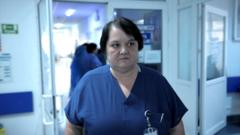
•How 100 Romanian hospitals switched to pen and paper to defeat a national cyber-attack10 minutes agoShareSaveAdd as preferred on GoogleJoe TidyCyber Correspondent, World Service, RomaniaBBCSurgeon Oan...
•Disconnect from the internet, now.The cyber-attack on Romania's hospitals in February 2024 is one of the worst to target healthcare systems around the world, but these incidents are becoming increasin...
•Cutting off 100 hospitals in Romania from the internet stopped the hackers in their tracks, buying time to work out how bad the attack was.But it meant no connected devices, emails or web browsers.Med...
هذا الخبر من BBC News. خبر يقدم أدوات ذكاء اصطناعي للتلخيص والترجمة والاستماع.
ملاحظة تحريرية | Editorial Note: نُشر هذا المقال في الأصل بواسطة BBC News. خبر (Khabr) هي منصة إعلامية أردنية مرخّصة تعمل بالذكاء الاصطناعي. نضيف قيمة تحريرية من خلال: تحليل ذكي للأخبار، ملخصات تلقائية، رواية صوتية بالذكاء الاصطناعي، ترجمة متعددة اللغات، وتدقيق الحقائق. هدفنا جعل الأخبار أكثر وضوحاً وسهولةً للقارئ العربي.
This article was originally published by BBC News. Khabr is a licensed Jordanian AI-powered news platform (Registration #82086). We add editorial value through: AI-powered news analysis, automated summaries, AI audio narration, multi-language translation (Arabic, English, French, Turkish), and AI fact-checking. Our mission is to make news more accessible and understandable for Arabic-speaking audiences worldwide.