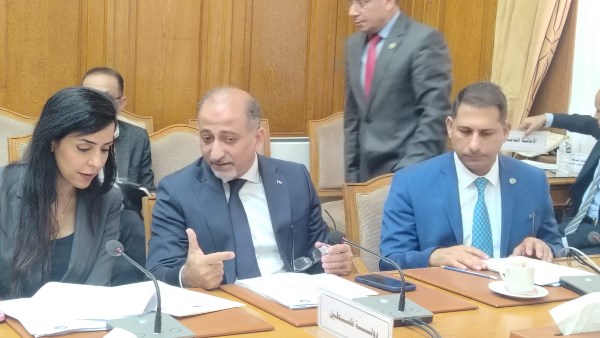
Houthis want to copy Iran’s Hormuz control in the Red Sea: Yemeni FM
•play Live Sign upShow navigation menuNavigation menuNewsShow more news sectionsAfricaAsiaUS & CanadaLatin AmericaEuropeAsia PacificMiddle EastExplainedSportOpinionVideoMoreShow more sectionsFeaturesEc...
•xwhatsapp-strokecopylinkgoogleAdd Al Jazeera on GoogleinfoToggle PlayHouthis claim Saudi drone downed over northwestern Yemen Yemen’s Houthi movement is aiming to replicate Iran’s strategy in the Str...
•“The Houthis want to copy the Iranian model , and this will shut down two main straits, the gateways into the Gulf and Red Sea,” the foreign minister-designate for the internationally recognised Yeme...
هذا الخبر من Al Jazeera English. خبر يقدم أدوات ذكاء اصطناعي للتلخيص والترجمة والاستماع.
play Live Sign upShow navigation menuNavigation menuNewsShow more news sectionsAfricaAsiaUS & CanadaLatin AmericaEuropeAsia PacificMiddle EastExplainedSportOpinionVideoMoreShow more sectionsFeaturesEconomyHuman RightsClimate CrisisInvestigationsInteractivesIn PicturesScience & TechnologyPodcastsTravelSponsored Contentplay Live Click here to searchsearchSign upNews|HouthisHouthis want to copy Iran’s Hormuz control in the Red Sea: Yemeni FMSpeaking in Riyadh, Yemen’s internationally recognised government warns that global complacency has emboldened the Houthis. xwhatsapp-strokecopylinkgoogleAdd Al Jazeera on GoogleinfoToggle PlayHouthis claim Saudi drone downed over northwestern Yemen Yemen’s Houthi movement is aiming to replicate Iran’s strategy in the Strait of Hormuz by controlling shipping flows in the Red Sea’s Bab al-Mandeb Strait, the Yemeni government’s top diplomat warns. “The Houthis want to copy the Iranian model , and this will shut down two main straits, the gateways into the Gulf and Red Sea,” the foreign minister-designate for the internationally recognised Yemeni government, Afrah al-Zouba, told journalists on Monday. Speaking at the Yemeni embassy in Riyadh, Saudi Arabia, al-Zouba said the Iran-backed Houthis have been emboldened due to the insufficient international response to their activities in the region. Bab al-Mandeb Strait connects the Red Sea to the Gulf of Aden and the wider Indian Ocean, and – much like the Strait of Hormuz – a significant portion of the global economy depends on the unimpeded flow of maritime traffic through it. Approximately 30 percent of global container traffic passes through the Red Sea, and 12 to 15 percent of overall global trade. Yemen’s geography gives whoever controls the country’s west a commanding influence over traffic through Bab al-Mandeb. Data suggests that shipping through the Red Sea is already declining, with just 11 commodity vessels passing through it on Sunday. Al-Zouba’s comments come as tensions between the Houthis on one side and Saudi Arabia and Yemen’s internationally recognised government on the other escalate. Earlier in July, the Houthis declared a maritime siege on Red Sea shipping to and from Saudi Arabia, and launched missiles and drones at the kingdom. Riyadh has since launched air strikes on Yemen’s key port city of Hodeidah, held by the Houthis. July’s escalation is the biggest since a truce was agreed to in 2022 and came amid a resurgence of US attacks on Iran. Al-Zouba said Yemen’s government, which Saudi Arabia backs, is prepared for an escalation, and that fire was being exchanged along the front line where Houthi-controlled territory meets government-controlled areas, but that no offensive had been launched. Nearly 20 fighters from both sides died earlier this month during clashes between the Houthis and government forces around Hodeidah. Hundreds of thousands of people have died in Yemen since war broke out in 2014, when the Houthis seized the capital, Sanaa, and then-President Abd-Rabbu Mansour Hadi eventually fled to Riyadh. Saudi Arabia led an Arab coalition in a campaign to dislodge the Houthis from 2015 up to the 2022 truce. As of 2026, the Houthis remain in power in the capital and other parts of Yemen. Meanwhile, tensions between Saudi Arabia and the United Arab Emirates, which Riyadh accuses of backing a southern separatist group in Yemen, have affected developments on the ground. Yemeni civilians have paid the heaviest price, with an estimated 377,000 dying between 2015 and the beginning of 2022, most of them from war’s knock-on impacts, such as famine and disease. Advertisement AboutAboutShow moreAbout UsCode of EthicsTerms and ConditionsEU/EEA Regulatory NoticePrivacy PolicyCookie PolicyCookie PreferencesAccessibility StatementSitemapWork for usConnectConnectShow moreContact UsUser Accounts HelpAdvertise with usStay ConnectedNewslettersChannel FinderTV SchedulePodcastsSubmit a TipPaid Partner ContentOur ChannelsOur ChannelsShow moreAl Jazeera ArabicAl Jazeera EnglishAl Jazeera Investigative UnitAl Jazeera MubasherAl Jazeera DocumentaryAl Jazeera BalkansAJ+Our NetworkOur NetworkShow moreAl Jazeera Centre for StudiesAl Jazeera Media InstituteLearn ArabicAl Jazeera Centre for Public Liberties & Human RightsAl Jazeera ForumAl Jazeera Hotel PartnersFollow Al Jazeera English:المصدر: Al Jazeera English | Source: Al Jazeera English
ملاحظة تحريرية | Editorial Note: نُشر هذا المقال في الأصل بواسطة Al Jazeera English. خبر (Khabr) هي منصة إعلامية أردنية مرخّصة تعمل بالذكاء الاصطناعي. نضيف قيمة تحريرية من خلال: تحليل ذكي للأخبار، ملخصات تلقائية، رواية صوتية بالذكاء الاصطناعي، ترجمة متعددة اللغات، وتدقيق الحقائق. هدفنا جعل الأخبار أكثر وضوحاً وسهولةً للقارئ العربي.
This article was originally published by Al Jazeera English. Khabr is a licensed Jordanian AI-powered news platform (Registration #82086). We add editorial value through: AI-powered news analysis, automated summaries, AI audio narration, multi-language translation (Arabic, English, French, Turkish), and AI fact-checking. Our mission is to make news more accessible and understandable for Arabic-speaking audiences worldwide.