⚡ عاجل: كريستيانو رونالدو يُتوّج كأفضل لاعب كرة قدم في العالم●⚡ أخبار عاجلة تتابعونها لحظة بلحظة على خبر●⚡ تابعوا آخر المستجدات والأحداث من حول العالم●
AI اقتراحات ذكية
AI مباشر|--مشاهد مباشر
847,933مقال404مصدر نشط224قناة مباشرة4,652خبر اليوم
آخر تحديث:منذ 0 ثانية
Hours after ceasefire, a lifeline to south Lebanon reopens
Alongside hundreds of others forced to flee south Lebanon, Amani Atrash and her family waited eagerly on Friday morning for bulldozers to reopen the Qasmiyeh bridge, which Israel bombed just hours before a ceasefire began.
Her family was among the tens of thousands of people hoping to go home after being displaced by the Israel-Hezbollah war — despite warnings against returning to the south from the Iran-backed militant group, Lebanese officials and the Israeli army, which continues to occupy parts of the area.
“We set off an hour before the ceasefire took effect so we could reach the bridge once it opens, allowing us to return to our town,” said Atrash, 37, who fled north at the start of the war.
“The wait is very difficult because we want to get there as quickly as possible,” she told AFP as she sat in her car in a line stretching for kilometres northeast of the coastal city of Tyre.
The 10-day ceasefire between Lebanon and Israel went into force at midnight, hours after it was announced by US President Donald Trump.
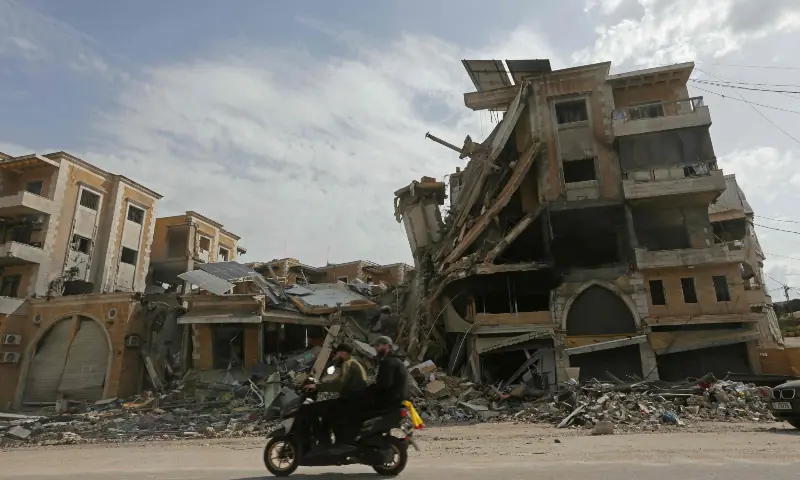
Displaced residents ride past a destroyed building as they return back to the southern Lebanese city of Nabatieh on April 17, 2026. — AFP
The truce brought an end to a war that began on March 2 after Hezbollah launched rockets towards Israel in retaliation for the killing of Iran’s supreme leader at the outset of the Middle East war. Israel responded with massive air strikes and a ground invasion in the south.
Lebanese authorities say the war has killed more than 2,100 people and displaced more than a million, particularly from Hezbollah’s traditional strongholds in Beirut’s southern suburbs and south Lebanon.
“Our feelings are indescribable, pride and victory,” said Atrash, her face beaming, adding she hoped the truce would be extended.
“No Israeli soldier can remain on our land, they must withdraw so we can live in peace,” she added, predicting a return to war if Israel kept its troops in the area, where Netanyahu has vowed to maintain a 10-kilometre “security zone”.
‘I will pitch a tent’
Hours before the ceasefire was announced, the Israeli bombardment of the Qasmiyeh bridge — a key crossing over the Litani River, which runs across most of the width of Lebanon — effectively cut off the area to the south from the rest of the country.
Three bulldozers, under the supervision of the Lebanese army, worked from dawn to fill the crater left by the bombing.
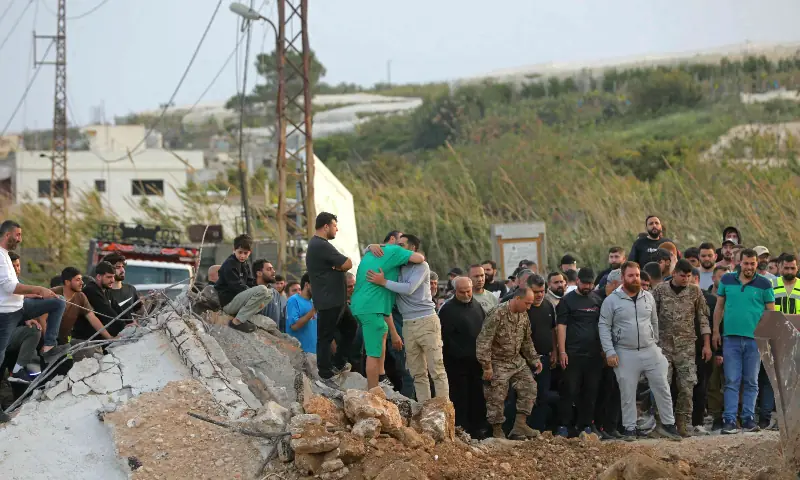
People watch the restoration work at the site of Israeli strikes that targeted the Qasmieh bridge built over the Litani river in the southern Lebanese area of Al Qasmiyeh on April 17, 2026, as displaced residents prepare to travel back to their homes. — AFP
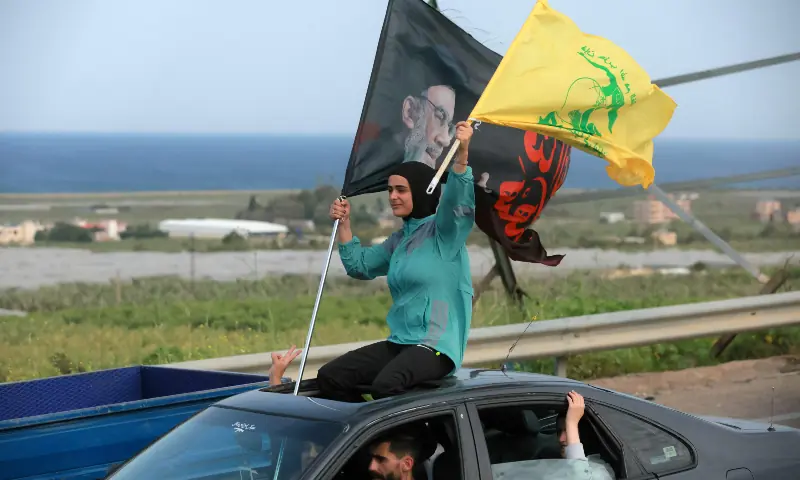
As soon as it was passable, motorcycles and then cars began crossing in single file, some honking their horns in celebration and waving yellow Hezbollah flags.
By 9am, the highway linking the southern cities of Sidon and Tyre was jammed for kilometres, with tens of thousands of cars heading south, many packed with mattresses, kitchenware and blankets.
Many of the displaced people AFP spoke to had no idea what had happened to their homes — which they hastily fled amid Israeli strikes — over the last six weeks of war.
Among them was Ghufran Hamzeh, who waited at the Qasmiyeh bridge with her son, having travelled from Beirut.
“When we fled, it took 16 hours on the road, and today it’s the same thing,” she told AFP, “but that’s not important. What’s important is that we’re returning to our village and our land.”
“I don’t know if my house is destroyed or not,” she added. If it’s destroyed, it changes nothing, I will pitch a tent in front of it and stay there.” Sitting on a twisted piece of metal, the asphalt scattered with chunks of iron and concrete from the bombed bridge, she smiled as the bulldozers worked.
“They said the truce is for 10 days, but if the situation allows, we will stay and we will not leave our land again.”
‘A price that isn’t ours’
A few metres away, Mohamad Abu Raya, a father of three, echoed the sentiment.
“Thank God we are returning to our homes victorious despite the shelling,” he tells AFP.
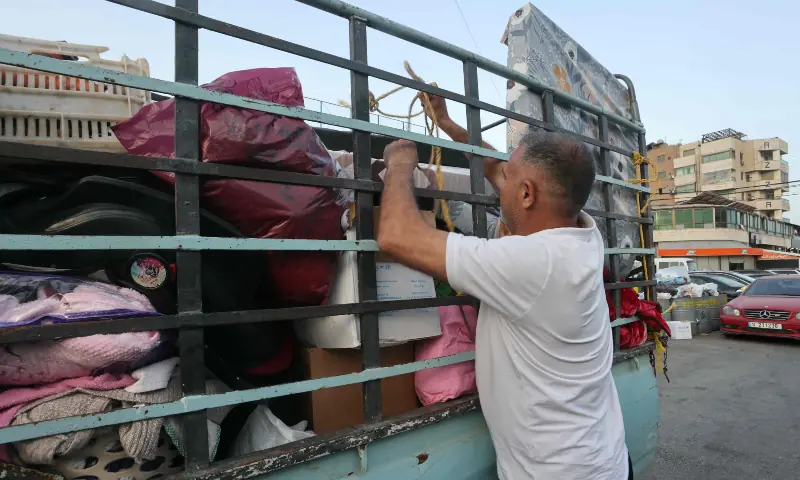
A displaced resident packs his belongings as he prepares to travel back to his village home, in the southern Lebanese city of Sidon on April 17, 2026. — AFP
“Nothing compares to the joy of returning, even if we don’t find our homes.
The important thing is that we are back on our land. We will sit on the rubble.”
Israel has bombed many other bridges over the Litani in recent weeks, accusing Hezbollah of using them to transport weapons and reinforcements.
While waiting to return to his village, 77-year-old Tamer Abdellatif Hamza did not hide his anger at his lengthy displacement.
“We slept on the beach for 10 days. No one even looked at us, no one helped us,” he told AFP. “All our houses were destroyed, we have nothing left.”
“We were displaced 50 days ago, and today we feel that we don’t want to be enemies of Israel. We are paying a price that isn’t ours.”
ملاحظة تحريرية | Editorial Note:
نُشر هذا المقال في الأصل بواسطة Dawn.
خبر (Khabr) هي منصة إعلامية أردنية مرخّصة تعمل بالذكاء الاصطناعي.
نضيف قيمة تحريرية من خلال: تحليل ذكي للأخبار، ملخصات تلقائية، رواية صوتية بالذكاء الاصطناعي، ترجمة متعددة اللغات، وتدقيق الحقائق.
هدفنا جعل الأخبار أكثر وضوحاً وسهولةً للقارئ العربي.
This article was originally published by Dawn.
Khabr is a licensed Jordanian AI-powered news platform (Registration #82086).
We add editorial value through: AI-powered news analysis, automated summaries, AI audio narration, multi-language translation (Arabic, English, French, Turkish), and AI fact-checking.
Our mission is to make news more accessible and understandable for Arabic-speaking audiences worldwide.
هذا الخبر ضمن تغطية خبر لقسم أخبار محلية.
نقدّم لك تحليلات ذكية وملخصات يومية لأهم الأخبار من مصادر موثوقة متعددة.
المصدر: Dawn.
يوجد 6 مقالات مرتبطة بهذا الموضوع.
This article is part of Khabr's coverage of Local News.
We provide AI-powered analysis, summaries, and multi-source aggregation to keep you informed.
Source: Dawn.
Tags: ceasefire, Lebanon, humanitarian aid.
🍪 نستخدم ملفات تعريف الارتباط لتحسين تجربتك وعرض الإعلانات المخصصة. باستخدامك للموقع، فإنك توافق على سياسة ملفات تعريف الارتباط وسياسة الخصوصية.
We use cookies to enhance your experience and show personalized ads. By using this site, you agree to our Cookie Policy and Privacy Policy.
FREEFree 1GB Internet + Free International Calls
$1 trial — eSIM in 190+ countries — No roaming charges