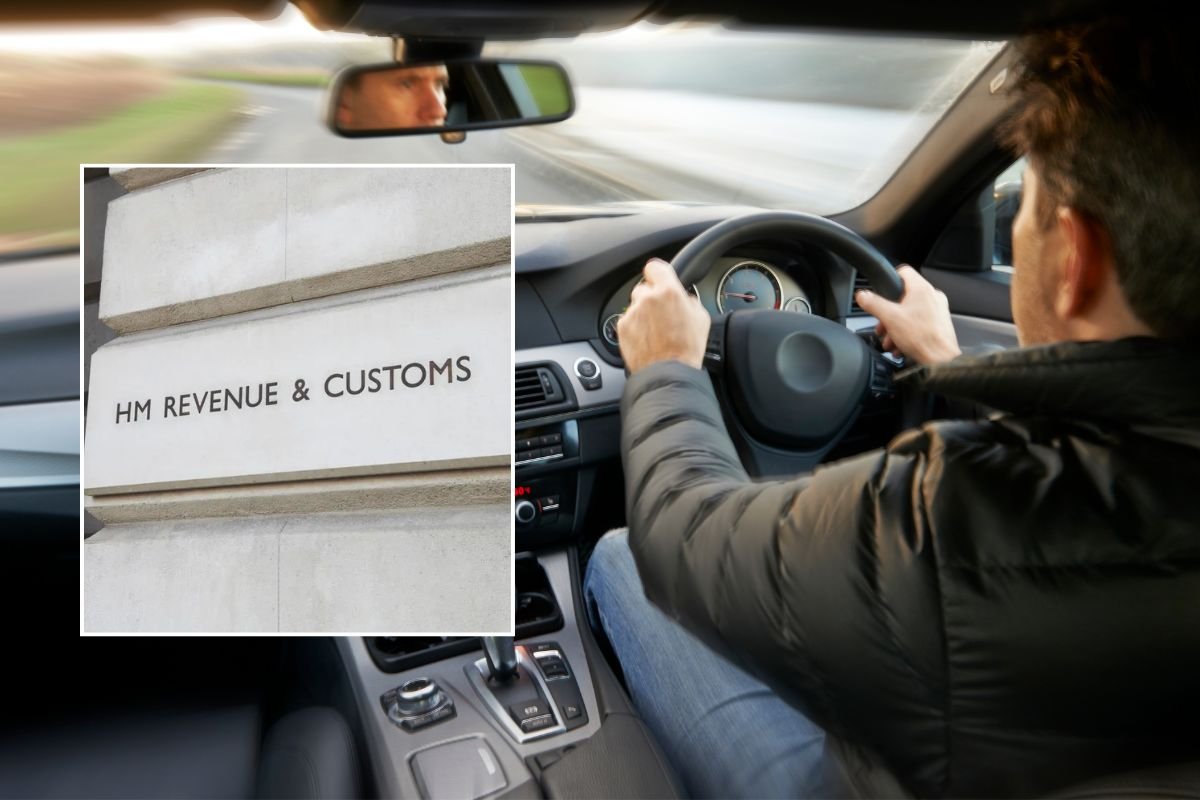
HMRC confirms major mileage tax change impacting millions for first time
•HMRC has unveiled a new mileage allowance as part of a wider package of tax changes aimed at cutting costs for working people.
•The changes announced by Chancellor Rachel Reeves have increased the tax-free mileage rate for the first time in 15 years, with up to three million workers set to benefit.
•The Government said the measure will save someone driving 6,000 business miles more than £120 a year, and that it has been backdated to April 6, 2026.
هذا الخبر من GB News. خبر يقدم أدوات ذكاء اصطناعي للتلخيص والترجمة والاستماع.
المصدر: GB News | Source: GB NewsHMRC has unveiled a new mileage allowance as part of a wider package of tax changes aimed at cutting costs for working people.
The changes announced by Chancellor Rachel Reeves have increased the tax-free mileage rate for the first time in 15 years, with up to three million workers set to benefit.
The Government said the measure will save someone driving 6,000 business miles more than £120 a year, and that it has been backdated to April 6, 2026.
The approved mileage rate for cars and vans has risen from 45p to 55p per mile for the first 10,000 business miles, while the rate for any mileage above that remains 25p.
TRENDINGStoriesVideosYour SayThe announcement forms part of a broader package of cost-of-living support unveiled by the Treasury to help families and workers over the summer.
Speaking to GB News, Lee Murphy, managing director at The Accountancy Partnership, said the change was long overdue after years of rising motoring costs.
"The mileage rate for cars and vans had been stuck at 45p for years, despite the cost of running a vehicle rising sharply," Mr Murphy said.
He explained that because business mileage is deducted from taxable profits, "the increase does not just recognise higher motoring costs; it can directly reduce the tax bill for sole traders and partners who use their own car or van for business."
According to Mr Murphy, drivers who travel regularly for work but stay below the 10,000-mile threshold are likely to benefit the most.
He pointed to mobile hairdressers, cleaners, consultants, tutors, care workers, tradespeople, photographers and others travelling between clients or work sites.
However, he noted the higher allowance could also result in meaningful tax savings. Mr Murphy said a self-employed worker driving 8,000 business miles would now be able to claim £4,400 against their taxable profit, up from £3,600 under the previous rules.
"That is an extra £800 deduction," he said, adding that for a basic-rate taxpayer the additional deduction "could be worth around £160 in income tax alone, and potentially more once national insurance is considered."
LATEST DEVELOPMENTS
- Revolutionary technology sees electric car travel from John O'Groats to Land's End using only solar power
- Electric cars make up 30% of new vehicle sales as 'there's never been a better time to make EV switch'
- Fiat launches electric vehicle for just £8,995 with 46-mile range and 28mph top speed
While welcoming the increase, Mr Murphy warned it may not fully reflect the true cost of running a vehicle in the UK.
"The 10p increase is meaningful, particularly for lower- and moderate-mileage self-employed workers, but fuel is only one part of the cost of running a vehicle. Insurance, servicing, repairs, tyres and depreciation have all become more expensive."
Drivers covering more than 10,000 business miles a year may also feel the changes fall short because the higher rate does not apply beyond that threshold, he explained.
"This is where the change is less generous," Mr Murphy said. "Someone doing 15,000 business miles will benefit from the increase on the first 10,000 miles, giving them an extra £1,000 deduction, but the remaining 5,000 miles are still only claimable at 25p per mile."
He advised tradespeople, driving instructors, mobile mechanics and other high-mileage workers to compare the simplified mileage allowance with claiming actual vehicle costs to ensure they receive the best tax outcome.
Mr Murphy also urged workers to avoid common mistakes, including claiming ordinary commuting journeys and failing to keep proper mileage records. "HMRC expects proper mileage records, not a rough estimate at the end of the year," he said.
Looking ahead, he encouraged self-employed drivers to update their records to ensure they benefit from the backdated increase.
He shared: "My advice is simple. Do not wait until next January. Keep records now, keep evidence, and speak to an accountant if you are unsure whether simplified mileage or actual vehicle costs is the better route for your business."
Our Standards: The GB News Editorial Charter

ملاحظة تحريرية | Editorial Note: نُشر هذا المقال في الأصل بواسطة GB News. خبر (Khabr) هي منصة إعلامية أردنية مرخّصة تعمل بالذكاء الاصطناعي. نضيف قيمة تحريرية من خلال: تحليل ذكي للأخبار، ملخصات تلقائية، رواية صوتية بالذكاء الاصطناعي، ترجمة متعددة اللغات، وتدقيق الحقائق. هدفنا جعل الأخبار أكثر وضوحاً وسهولةً للقارئ العربي.
This article was originally published by GB News. Khabr is a licensed Jordanian AI-powered news platform (Registration #82086). We add editorial value through: AI-powered news analysis, automated summaries, AI audio narration, multi-language translation (Arabic, English, French, Turkish), and AI fact-checking. Our mission is to make news more accessible and understandable for Arabic-speaking audiences worldwide.