Higher taxes are NOT Labour's answer to increasing defence spending
•Britain is entering a new era.
•The world is becoming more dangerous, unstable and competitive.
•From Russia’s continued aggression in Europe to persistent instability in the Middle East and intensifying global strategic rivalry, the assumptions that underpinned decades of peace and low defence s...
هذا الخبر من GB News. خبر يقدم أدوات ذكاء اصطناعي للتلخيص والترجمة والاستماع.
المصدر: GB News | Source: GB NewsBritain is entering a new era.
The world is becoming more dangerous, unstable and competitive.
From Russia’s continued aggression in Europe to persistent instability in the Middle East and intensifying global strategic rivalry, the assumptions that underpinned decades of peace and low defence spending no longer hold.
That is why a significant increase in defence spending is no longer optional: it is essential.
TRENDINGStoriesVideosYour SayIf the first duty of government is the protection of its citizens, then Britain must ensure its armed forces are properly equipped, properly funded and able to deter threats in an uncertain world.
But that raises an unavoidable question: how do we pay for it?
The answer cannot be higher taxation.
Britain is already a high-tax economy by historical standards – and the pressure is being felt across households, small businesses and key sectors that drive growth.
Nowhere is that pressure more visible than in hospitality.
Pubs, cafés, restaurants and entertainment venues are the backbone of towns like Hartlepool.
They are not luxury businesses: they are employers, community hubs and entry points into work for young people.
Yet too often they are held back by a tax and cost structure making investment and expansion harder than it should be.
LATEST DEVELOPMENTS
- Keir Starmer poised to slash Net Zero spending to bolster defence ahead of crunch Nato summit
- Here's why Labour is stuck in the long grass while Europe is rearming at pace – Katherine Forster
- Keir Starmer 'considers watering down' defence spending increase ahead of crunch Nato summit
If we are serious about strengthening defence, we must also be serious about how we structure spending at home.
Alan Milburn’s recent work on young people outside education and employment is a wake-up call.
It highlights a system that too often traps people in long-term inactivity, with far more spent on maintaining welfare dependency than on supporting entry into work.
That is not a sustainable model economically, socially or morally.
A reformed welfare system should always protect those who cannot work.
However, it should also have a far stronger expectation and capability to support people into employment wherever possible.
The scale of long-term inactivity among young people represents not just a fiscal cost, but a lost generation of talent and productivity.
This is where the fiscal choices become clear.
If we are to fund a stronger defence capability, the proceeds of meaningful welfare reform must be part of the solution.
Reducing avoidable long-term welfare dependency frees up substantial resources that should be redirected towards national priorities.
First, into defence.
A more dangerous world requires sustained investment in security, deterrence and resilience.
That cannot be funded on the cheap.
Second, into growth.
Britain should use the savings from reform to reduce the tax burden on sectors that generate jobs and opportunities.
This means giving serious consideration to targeted, regional tax reductions for the hospitality and leisure sectors in line with the kind of pro-growth, place-based thinking championed by figures such as Andy Burnham.
Lower VAT and business tax burdens in communities like Hartlepool would unlock investment, support local employers and help rebuild struggling high streets.
The direction of travel is clear: we need to move away from a model of ever-expanding welfare, rising taxation and stagnant growth.
Instead, we should choose a different settlement: a stronger defence posture funded by a leaner, more effective welfare system, combined with targeted tax reductions that put money back into the pockets of working people and the businesses that employ them.
Security, work and growth.
That is the new economic imperative Britain cannot afford to ignore.
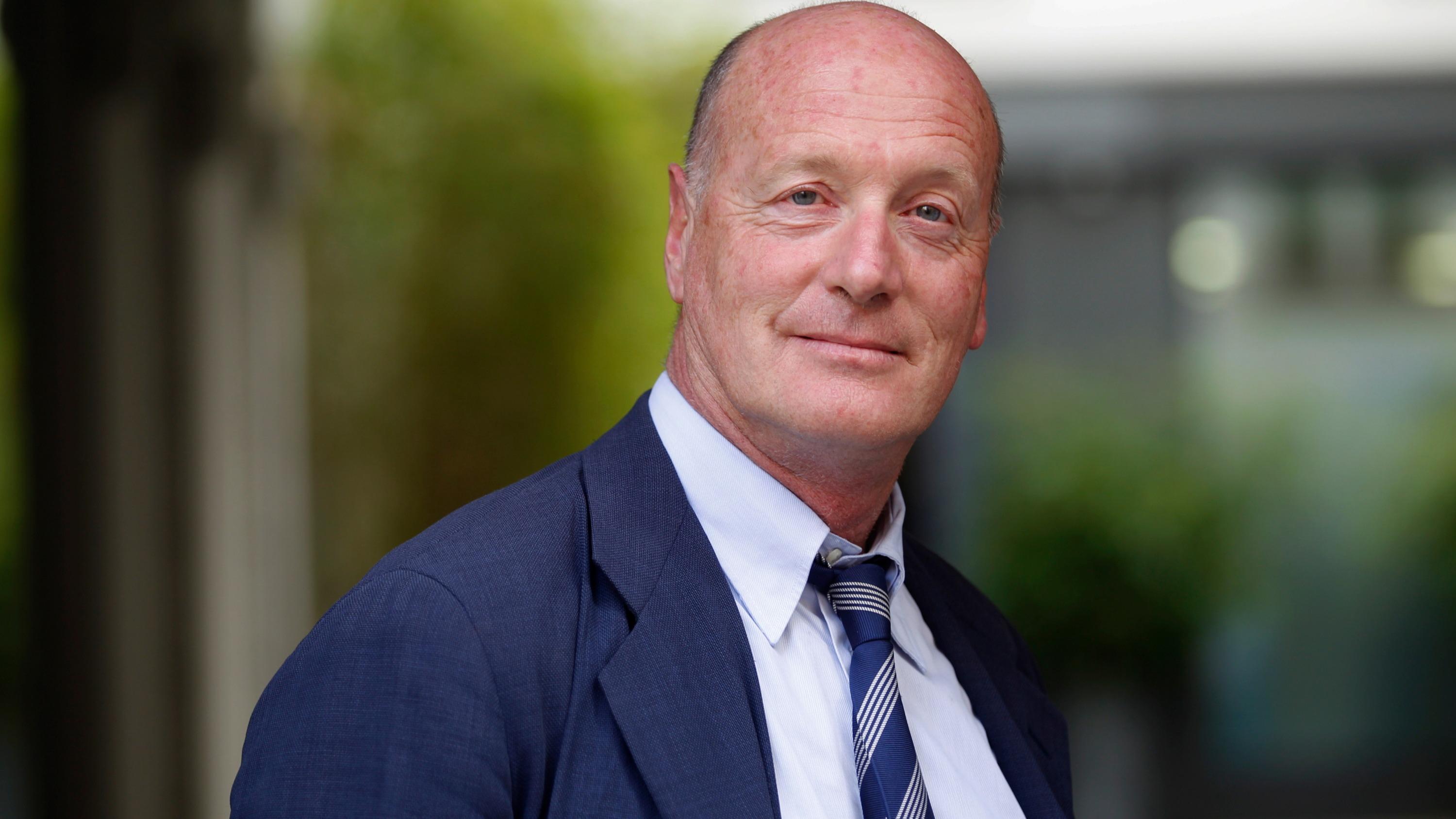
Jonathan Brash is a Labour MP
Our Standards: The GB News Editorial Charter

ملاحظة تحريرية | Editorial Note: نُشر هذا المقال في الأصل بواسطة GB News. خبر (Khabr) هي منصة إعلامية أردنية مرخّصة تعمل بالذكاء الاصطناعي. نضيف قيمة تحريرية من خلال: تحليل ذكي للأخبار، ملخصات تلقائية، رواية صوتية بالذكاء الاصطناعي، ترجمة متعددة اللغات، وتدقيق الحقائق. هدفنا جعل الأخبار أكثر وضوحاً وسهولةً للقارئ العربي.
This article was originally published by GB News. Khabr is a licensed Jordanian AI-powered news platform (Registration #82086). We add editorial value through: AI-powered news analysis, automated summaries, AI audio narration, multi-language translation (Arabic, English, French, Turkish), and AI fact-checking. Our mission is to make news more accessible and understandable for Arabic-speaking audiences worldwide.