High Court showdown over NHS-backed puberty blocker trial as campaigners seek emergency halt
•A High Court judge will tomorrow be asked to decide whether to grant a legal challenge to an NHS-backed puberty blocker trial for children as young as 11.The challenge claims officials failed to follo...
•They say this means Government, regulators and ethics bodies did not comply with the law when approving the clinical trial for children experiencing gender distress.
•TRENDING Stories Videos Your Say The lawyers expect to argue the trial should not start on August 1 as scheduled, but be postponed until a full legal challenge is heard in the autumn.The judge wi...
هذا الخبر من GB News. خبر يقدم أدوات ذكاء اصطناعي للتلخيص والترجمة والاستماع.
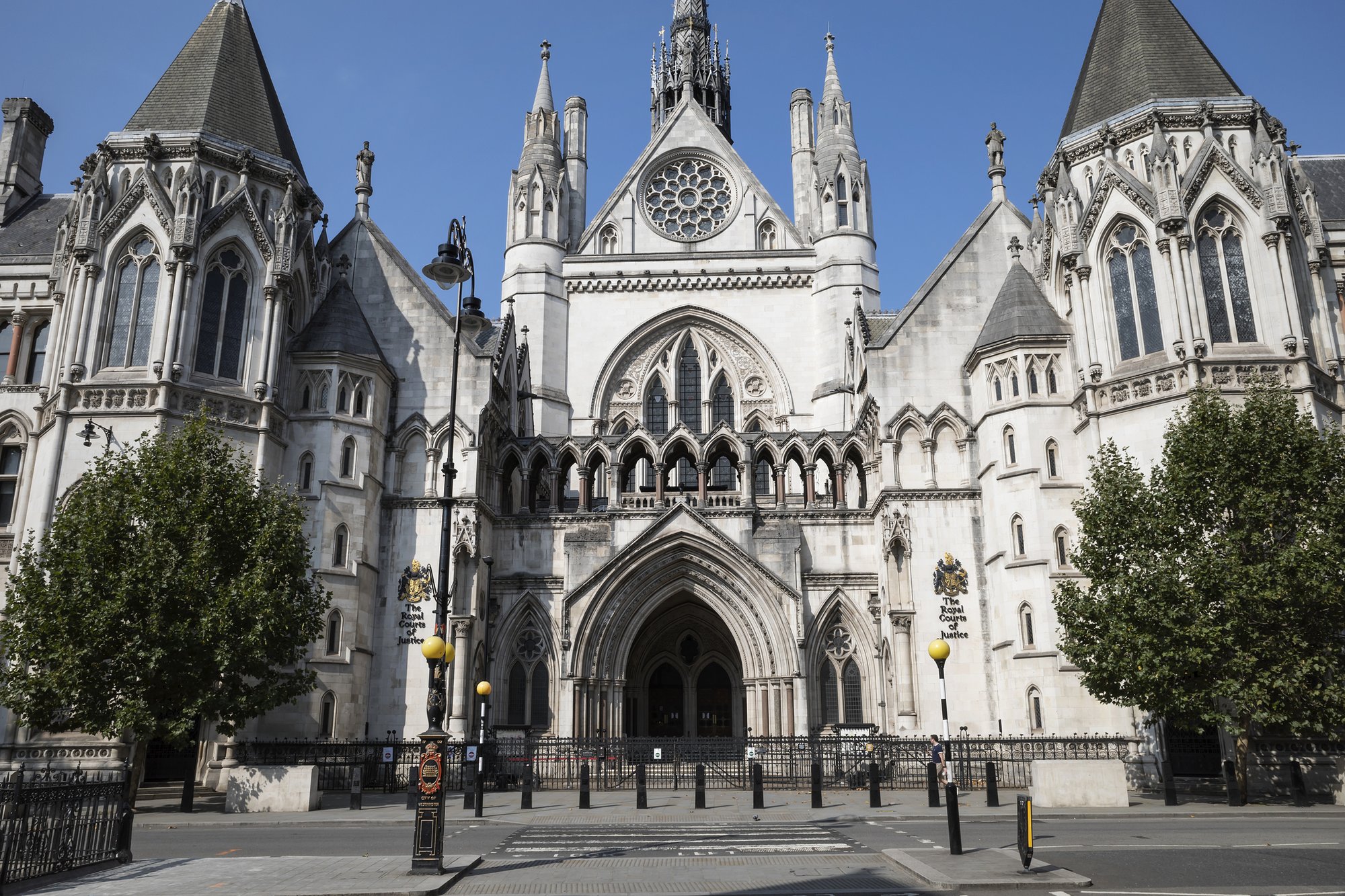
المصدر: GB News | Source: GB NewsA High Court judge will tomorrow be asked to decide whether to grant a legal challenge to an NHS-backed puberty blocker trial for children as young as 11.
The challenge claims officials failed to follow laws designed to protect children in medical research.
Lawyers will argue that recruitment to the Government-approved PATHWAYS study was signed off without first establishing there was a reasonable likelihood that the benefits to children taking part would justify the risks.
They say this means Government, regulators and ethics bodies did not comply with the law when approving the clinical trial for children experiencing gender distress.
TRENDINGStoriesVideosYour SayThe lawyers expect to argue the trial should not start on August 1 as scheduled, but be postponed until a full legal challenge is heard in the autumn.
The judge will then decide whether the case should go to a full High Court hearing in the autumn and if recruitment should be halted in the meantime. A ruling is expected later this week.
The outcome could shape not only the future of the PATHWAYS trial but also how clinical trials involving children are approved in Britain.
Campaigners say the law gives children extra protection in medical research.
They argue those safeguards were ignored.
At the heart of the case is a legal requirement that children should only take part in clinical research where there is a reasonable expectation that the benefits to those involved justify the potential harms.
Yet documents from King's College London, which is leading the PATHWAYS study, acknowledge it is "not possible" to demonstrate a direct benefit for the group of children taking part because the trial is intended to discover whether such benefits exist in the first place.
The claimants argue that scientific uncertainty is why the study should not have been approved under the legal framework governing research involving children.
Dr Louise Irvine, chair of the Clinical Advisory Network on Sex and Gender, said: "The risks of this trial far outweigh any anticipated benefits. The law only allows these trials to proceed where the benefits justify the risks, and we do not believe that test has been met."
She added: "There is no clinical consensus in favour of this trial. Many clinicians are deeply concerned about the risk of irreversible harm to children's fertility, bone health and brain development."
This is a poorly designed trial where the risks outweigh the benefits and we do not believe it complies with the legal safeguards designed to protect children in medical research."
James Gardner, solicitor for the claimants at Conrathe Gardner LLP, said: "This case is not about whether people agree or disagree with puberty blockers. It is about whether the legal safeguards designed to protect children in clinical trials were properly applied before this trial was approved.
This is an experimental medical intervention that is being tested on hundreds of children and young people, some as young as eleven. The law rightly sets a high bar to protect vulnerable young people involved in medical trials."
The trial follows the Independent Cass Review of gender medicine, which found the evidence supporting puberty blockers was "remarkably weak" and uncertain.
Routine NHS prescribing of the drugs to under-18s has since been banned outside clinical trials after the Commission on Human Medicines concluded they posed an "unacceptable safety risk".
But ministers permitted an exception for the PATHWAYS trial.
LATEST DEVELOPMENTS
- NHS to hand puberty blockers to 11-year-olds despite ‘biological harm’ warning
- Children as young as 11 given puberty blockers in NHS gender care scandal
- Hundreds of children set to be enrolled in NHS-backed puberty blocker trial following Cass Review
Recruitment was paused in February after the Medicines and Healthcare products Regulatory Agency raised concerns about "potentially significant" risks to participants.
Revised approval was granted in June following changes to the trial protocol.
Tomorrow, lawyers will argue regulators failed properly to consider the implications of approving a study involving drugs that had already been judged too risky for routine clinical use.
They will also claim ethics committee members relied on arguments that were legally irrelevant.
According to court papers, committee members considered the possibility that if the trial did not proceed some young people might obtain puberty blockers on the black market or travel overseas for treatment.
They also discussed the possibility that another country might conduct the research if Britain did not.
Campaigners argue neither issue has any bearing on the legal question the committee was required to answer - whether the likely benefits and risks for the children taking part justified approval.
Lawyers will also allege regulators failed properly to investigate or take account of three key issues before granting approval for the trial: NHS research tracking former patients who were prescribed the drugs into adulthood, animal studies suggesting possible adverse effects on brain development, and the fact children in the trial may have no clear route to further treatment once it ends.
They argue this raises fresh ethical and scientific questions that were not properly addressed.
Further claims focus on a lack of transparency surrounding the approval process.
Lawyers argue key research summaries were never published despite intense public interest, making it impossible for parents and the wider public to understand why the trial had been approved.
They also question whether the ethics committee properly reflected the diversity of public opinion on one of the most controversial issues in modern medicine.
Around 226 children are expected to take part in the NHS-funded trial, with participants randomly allocated to receive puberty blockers immediately or after a one-year delay.
Children taking part could receive up to £135 on shopping vouchers to redeem at shops including Currys, Uber Eats and Xbox for completing assessments.
The PATHWAYS study is sponsored by King's College London and South London and Maudsley NHS Foundation Trust.
Around 226 children are expected to take part, with participants randomly allocated to receive puberty blockers immediately or after a one-year delay.
Scientific approval was overseen by the Medicines and Healthcare products Regulatory Agency, while ethical approval was granted through the Health Research Authority's research ethics process.
The claimants - the Bayswater Support Group, detransitioner Keira Bell and psychotherapist James Esses - are seeking an emergency injunction preventing recruitment until the courts decide whether the approvals were lawful.
The Government and regulators maintain the approvals were lawful and argue a carefully controlled clinical trial is needed because uncertainty over the risks and benefits of puberty blockers remains.
Researchers leading PATHWAYS have previously said patient safety is their overriding priority and that they worked extensively with regulators following the pause earlier this year.
They say participant information has been strengthened and the minimum age requirement introduced.
However, there have been no major changes to the design of the study.
The two-day permission hearing begins tomorrow.
Our Standards: The GB News Editorial Charter



ملاحظة تحريرية | Editorial Note: نُشر هذا المقال في الأصل بواسطة GB News. خبر (Khabr) هي منصة إعلامية أردنية مرخّصة تعمل بالذكاء الاصطناعي. نضيف قيمة تحريرية من خلال: تحليل ذكي للأخبار، ملخصات تلقائية، رواية صوتية بالذكاء الاصطناعي، ترجمة متعددة اللغات، وتدقيق الحقائق. هدفنا جعل الأخبار أكثر وضوحاً وسهولةً للقارئ العربي.
This article was originally published by GB News. Khabr is a licensed Jordanian AI-powered news platform (Registration #82086). We add editorial value through: AI-powered news analysis, automated summaries, AI audio narration, multi-language translation (Arabic, English, French, Turkish), and AI fact-checking. Our mission is to make news more accessible and understandable for Arabic-speaking audiences worldwide.