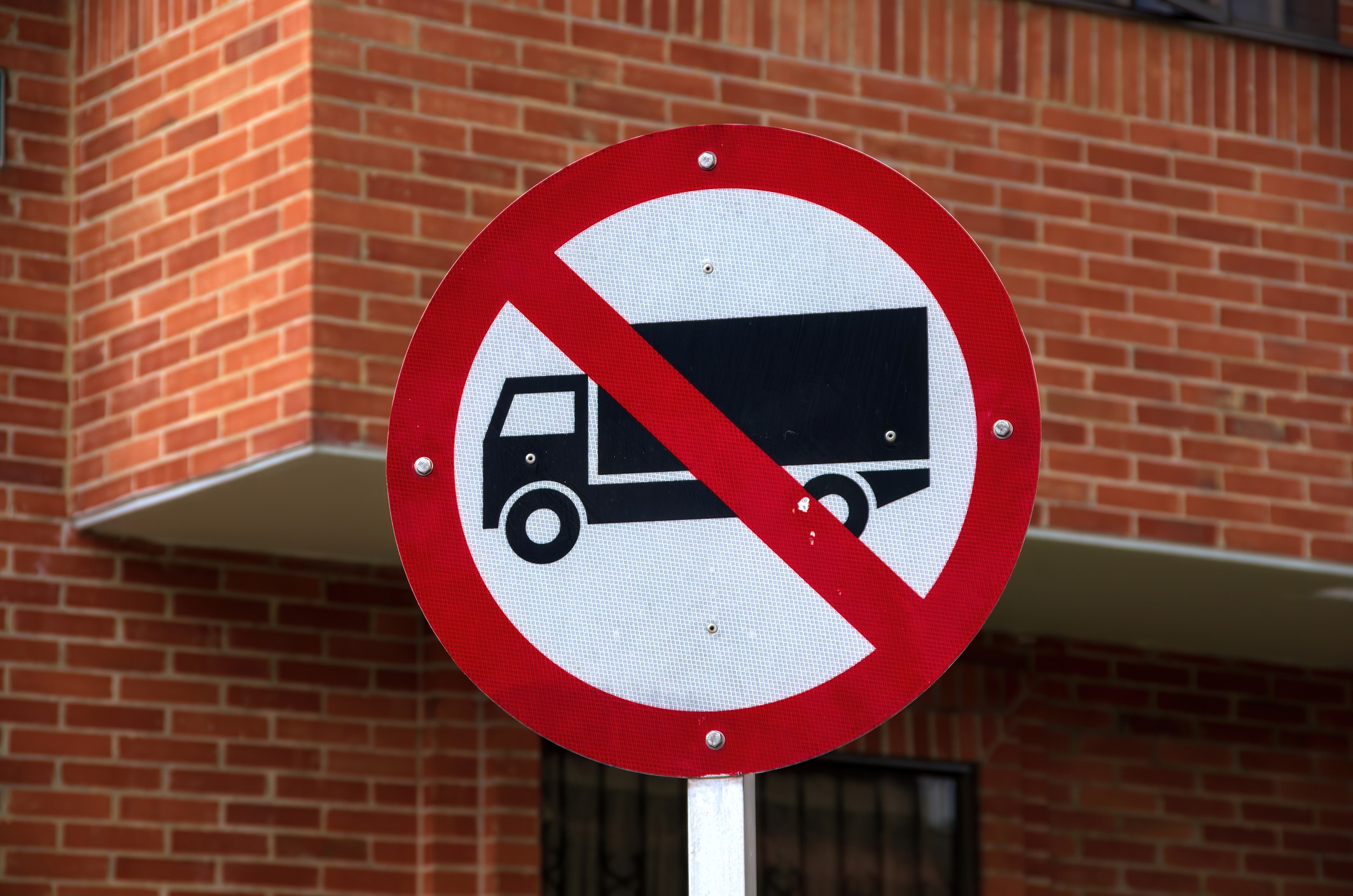
A local authority has demanded action to prevent Heavy Goods Vehicles from wrecking rural lanes when major roads are shut in a bid to improve safety.
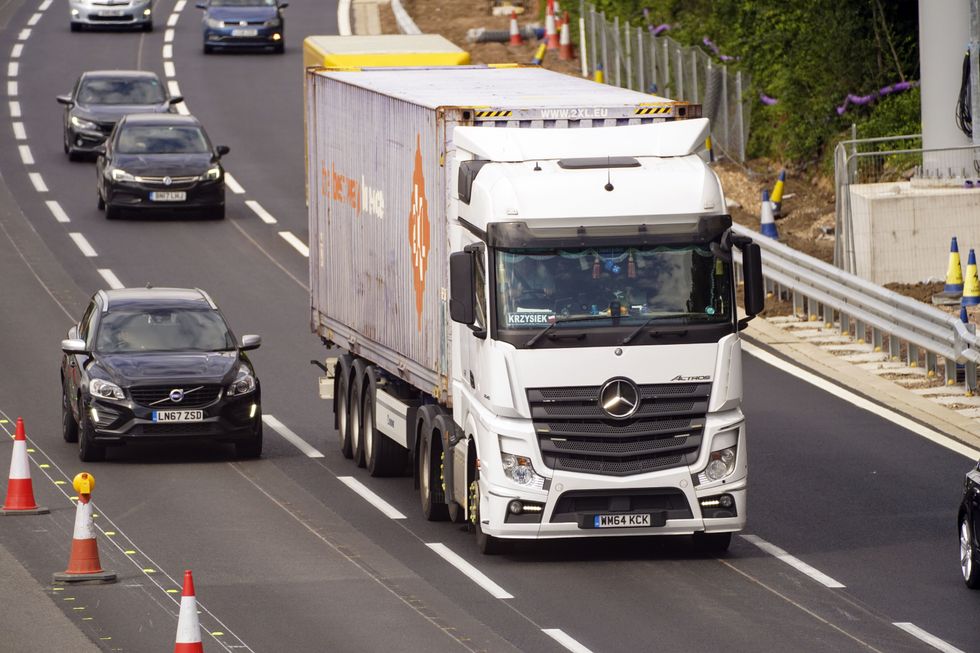
Cambridgeshire County Councillor Ian Gardener, the Conservative representative for Alconbury and Kimbolton, told a special highways and transport committee meeting that every time the A14 is closed, large lorries flood onto surrounding country roads.
He explained that this was "destroying" the roads, causing expensive repairs, noting that signs would be far cheaper and could make a real difference.
Mr Gardener urged the authority to introduce "unsuitable for HGVs" signage at key junctions, arguing that while sat nav-following drivers would not all comply, it could deter some and ease the burden on residents who report "lines of HGVs coming past my house".
Fellow Conservative councillor Mark Goldsack, who represents Soham North and Isleham, raised similar frustrations about how roadworks are communicated to local communities.
He welcomed planned repairs to the A142 but said the notice given for closures fell far short of what had been promised.
"We were told there would be at least four weeks' notice before we know what's going on," he told the committee. "That's impossible, because there was 10 days between the actual original notice and the actual proposed start date."
The suggested diversion routes drew particular criticism. "I think my eight-year-old granddaughter could have come up with better ideas," he said.
Councillor Goldsack insisted the council must stop directing traffic onto fragile Fenland roads when A-roads are closed, warning that unfamiliar drivers travel at excessive speeds on peat-damaged surfaces where locals know to take care, with dangerous consequences.
Josh Rutherford, the council's head of asset management, acknowledged the need for better communication around closures, stating officers wanted to avoid "scoring any own goals" and would ensure advance warning signs and letter drops reach communities in good time.
On diversion policy, he explained that planned highway closures should route traffic onto roads of the same classification, with an A142 closure near Soham potentially sending vehicles via the A1123 and A10 through Ely, rather than along narrow rural lanes.
He also accepted that endlessly patching the same damaged stretches was not a viable long-term answer. "You know we've done that probably 50 times, definition of insanity and everything else," he said, backing a "more holistic approach to highway maintenance" that looks beyond reactive repairs.
LATEST DEVELOPMENTS
- UK drivers with medical conditions could automatically receive a Blue Badge - Are you eligible?
- JCB Hydromax reaches 368mph ahead of land speed world record attempt next week
- E-scooters more dangerous than motorbikes as report calls for mandatory helmets and lower speeds
Spending on rural roads across the county remained a "significant part of the highways maintenance budget" year-on-year, he added, while recognising that the sheer scale of the network meant much still needed to be done.
Councillor Dupré warned that despite spending having "vastly increased in recent years", the council does not have the resources to close such an enormous gap.
He warned the authority had inherited "massive historic underfunding", a poor contract, and roads with unique characteristics, insisting that only central Government could provide the level of investment needed to bring the network up to standard.
Cambridgeshire is responsible for more than 4,500 kilometres of carriageway, 2,700 kilometres of footways, and over 3,200 kilometres of public rights of way.
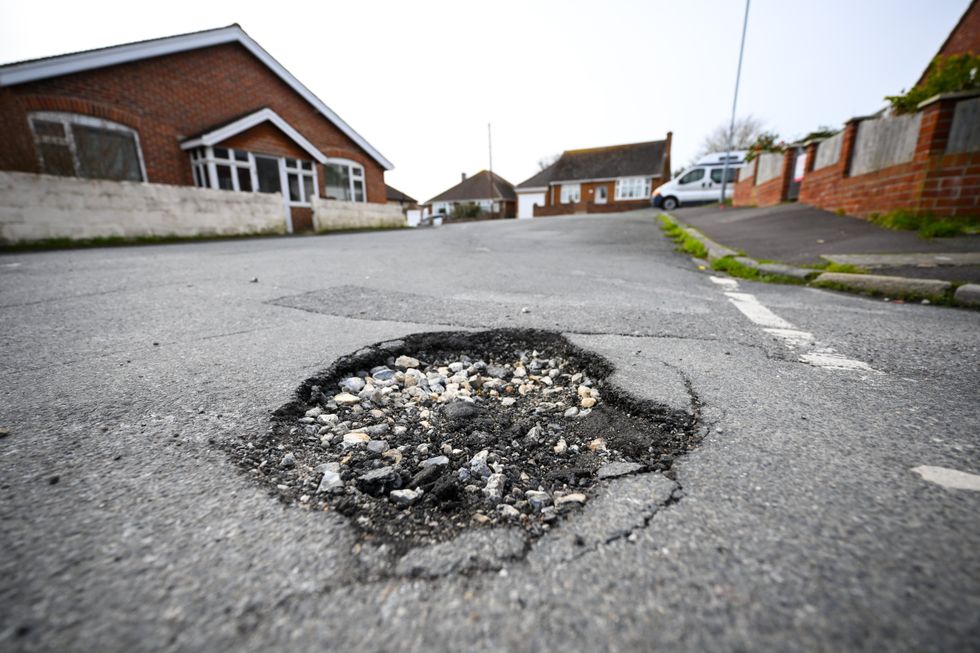
The council carried out roughly 70,000 pothole repairs and treated around 200 roads with surface dressing and other preventative measures in the current programme year.
The committee chair noted that pothole reports had surged from approximately 500 per week to 2,000 per week following a cold snap at the start of January.
Our Standards: The GB News Editorial Charter