⚡ عاجل: كريستيانو رونالدو يُتوّج كأفضل لاعب كرة قدم في العالم●⚡ أخبار عاجلة تتابعونها لحظة بلحظة على خبر●⚡ تابعوا آخر المستجدات والأحداث من حول العالم●
AI اقتراحات ذكية
AI مباشر|--مشاهد مباشر
1,066,969مقال401مصدر نشط228قناة مباشرة3,281خبر اليوم
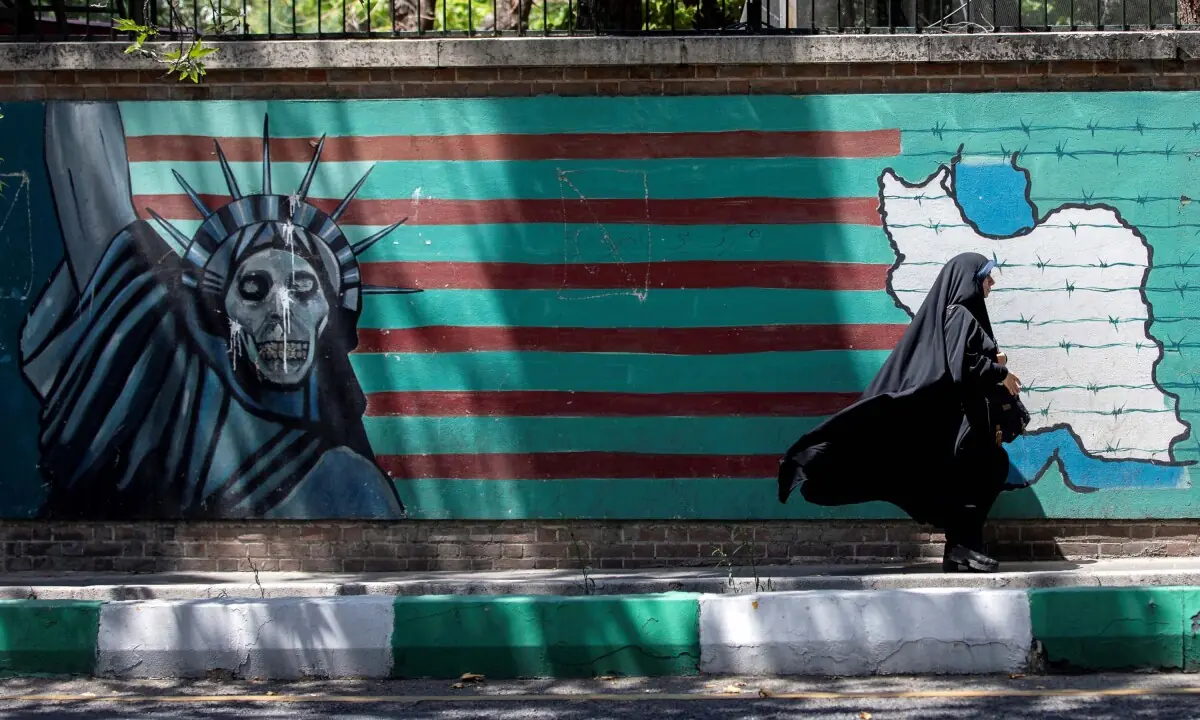
•THE negotiations aimed at ending the US-Israel war on Iran underscore how far apart Washington and Tehran still seem to remain.
•In particular, confusion surrounding Iran’s position on its enriched uranium stockpile has illustrated how fraught the diplomacy has been.
•Reuters reported on Thursday that Iran’s supreme leader had instructed that the country’s highly enriched uranium stockpile remain inside Iran, directly challenging one of Washington’s core demands.
هذا الخبر من Dawn. خبر يقدم أدوات ذكاء اصطناعي للتلخيص والترجمة والاستماع.
THE negotiations aimed at ending the US-Israel war on Iran underscore how far apart Washington and Tehran still seem to remain. In particular, confusion surrounding Iran’s position on its enriched uranium stockpile has illustrated how fraught the diplomacy has been.
Reuters reported on Thursday that Iran’s supreme leader had instructed that the country’s highly enriched uranium stockpile remain inside Iran, directly challenging one of Washington’s core demands. The US, backed by Israel, wants the material transferred abroad. But senior Iranian officials later denied that any “new order” had been issued, insisting Tehran’s position had remained consistent: that the material could be diluted domestically under supervision.
Iran has argued that transferring it abroad would leave the country exposed to future attacks. That disagreement has complicated matters, with US President Donald Trump insisting, “we will get it”.
In fact, the talks are not simply about limiting Iran’s nuclear activities. They are entangled with the wider issue of trust, or rather, the absence of it. Iranian officials increasingly suspect that the ceasefire may merely be a tactical pause before fresh strikes. Trump’s warnings that military action could resume if Tehran fails to provide the “right answers” have reinforced those fears. Iran’s response has been equally defiant, with officials saying that another attack could trigger confrontation beyond the Middle East. Even so, Tehran continues signalling that negotiations remain possible if credible guarantees against future attacks can be secured.
Pakistan’s role has consequently become more delicate. Interior Minister Mohsin Naqvi’s repeated Tehran visits show Islamabad is trying to prevent negotiations from collapsing before direct diplomacy can begin. Reports that Field Marshal Asim Munir may also travel to Iran indicate the mediation effort is now being handled at the highest levels of Pakistan’s civil-military leadership.
Yet Islamabad is navigating an increasingly difficult landscape. Iranian suspicions about Pakistan’s close ties with Washington and Gulf states persist, while Pakistan remains uneasy over Tehran’s growing engagement with India.
Meanwhile, the crisis is widening geographically. Drone incidents around Gulf infrastructure and disruption in the Strait of Hormuz are reminders that even limited instability now carries global consequences. Iran’s partial control over shipping through Hormuz has become both a source of leverage and alarm for Gulf states and energy markets. Saudi Arabia’s support for Pakistani mediation reflects concern that prolonged uncertainty could damage regional economies and destabilise maritime trade routes.
China and Russia are also becoming more vocal. Their latest statements criticised unilateral military action and externally imposed solutions, reflecting growing unease with Washington’s handling of the crisis. Beijing fears disruption to Gulf trade and energy flows, while Moscow increasingly frames the conflict as part of a world order sliding deeper into confrontation. The danger now is that negotiations may continue even as both sides quietly prepare for the possibility of renewed conflict.
ملاحظة تحريرية | Editorial Note:
نُشر هذا المقال في الأصل بواسطة Dawn.
خبر (Khabr) هي منصة إعلامية أردنية مرخّصة تعمل بالذكاء الاصطناعي.
نضيف قيمة تحريرية من خلال: تحليل ذكي للأخبار، ملخصات تلقائية، رواية صوتية بالذكاء الاصطناعي، ترجمة متعددة اللغات، وتدقيق الحقائق.
هدفنا جعل الأخبار أكثر وضوحاً وسهولةً للقارئ العربي.
This article was originally published by Dawn.
Khabr is a licensed Jordanian AI-powered news platform (Registration #82086).
We add editorial value through: AI-powered news analysis, automated summaries, AI audio narration, multi-language translation (Arabic, English, French, Turkish), and AI fact-checking.
Our mission is to make news more accessible and understandable for Arabic-speaking audiences worldwide.
هذا الخبر ضمن تغطية خبر لقسم سياسة.
نقدّم لك تحليلات ذكية وملخصات يومية لأهم الأخبار من مصادر موثوقة متعددة.
المصدر: Dawn.
يوجد 6 مقالات مرتبطة بهذا الموضوع.
This article is part of Khabr's coverage of Politics.
We provide AI-powered analysis, summaries, and multi-source aggregation to keep you informed.
Source: Dawn.
Tags: Yemen, unity, message.
🍪 نستخدم ملفات تعريف الارتباط لتحسين تجربتك وعرض الإعلانات المخصصة. باستخدامك للموقع، فإنك توافق على سياسة ملفات تعريف الارتباط وسياسة الخصوصية.
We use cookies to enhance your experience and show personalized ads. By using this site, you agree to our Cookie Policy and Privacy Policy.
🔍
FREEFree 1GB Internet + Free International Calls
$1 trial — eSIM in 190+ countries — No roaming charges