Hajj 2026 vaccinations and health checklist for pilgrims travelling to Mecca
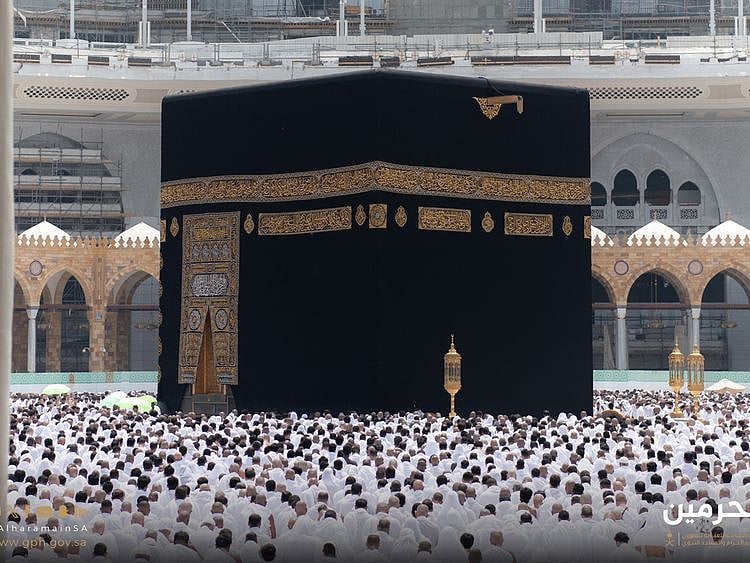
•Dubai: With less than two months to go until Hajj 2026, preparations are intensifying as millions of اMuslims prepare for the annual pilgrimage to Mecca, one of the largest religious gatherings in the...
•Health requirements are a key part of these preparations, with certain vaccinations mandatory and others strongly recommended under the official Nusuk Hajj (the official digital platform by the Saudi...
•Required vaccinations for HajjVaccination rules apply to all pilgrims, including adults and children aged one year and above.Meningococcal (Neisseria meningitidis) - This is a mandatory requirement fo...
هذا الخبر من Gulf News. خبر يقدم أدوات ذكاء اصطناعي للتلخيص والترجمة والاستماع.
المصدر: Gulf News | Source: Gulf NewsDubai: With less than two months to go until Hajj 2026, preparations are intensifying as millions of اMuslims prepare for the annual pilgrimage to Mecca, one of the largest religious gatherings in the world.
Health requirements are a key part of these preparations, with certain vaccinations mandatory and others strongly recommended under the official Nusuk Hajj (the official digital platform by the Saudi Ministry of Hajj and Umrah) guidelines.
Here is a guide to the vaccines you need, when to take them, and important health advice before travelling.
Get updated faster and for FREE: Download the Gulf News app now - simply click here.Required vaccinations for Hajj
Vaccination rules apply to all pilgrims, including adults and children aged one year and above.
Meningococcal (Neisseria meningitidis) - This is a mandatory requirement for anyone attending Hajj or entering Hajj-designated areas. Pilgrims must present a valid vaccination certificate confirming they have received the quadruple meningitis vaccine (ACYW).
The vaccine must be taken at least 10 days before arrival.
Accepted types include:
Quadruple (ACYW) polysaccharide vaccine (valid for up to three years)
Quadruple conjugate (ACYW) vaccine (valid for up to five years)
Polio - Pilgrims arriving from regions where poliovirus is still circulating are required to show proof of vaccination.
You must have received either:
Bivalent oral polio vaccine (bOPV), or
Inactivated polio vaccine (IPV)
The dose should be taken between four weeks and 12 months before travel.
Yellow fever - Pilgrims aged over nine months travelling from countries where yellow fever is prevalent must provide proof of vaccination.
The certificate becomes valid 10 days after vaccination
It remains valid for life
When should you take your vaccinations?
All required vaccines should be taken at least 10 days before travel. This ensures your body has enough time to build immunity and provides maximum protection during Hajj.
Make sure all vaccinations are recorded in your International Vaccination Card, issued by an authorised health centre.
Recommended vaccinations
In addition to mandatory vaccines, several others are advised to protect your health during the pilgrimage:
Seasonal influenza - All pilgrims, seasonal workers, and visitors to Hajj areas are advised to take the flu vaccine at least 10 days before arrival.
Pneumococcal vaccine - This is recommended for:
Pilgrims aged 65 and above
Individuals aged 19 and above with chronic illnesses
COVID-19 vaccine - Vaccination against COVID-19 is also recommended as part of general health precautions.
General health advice for pilgrims
Medical insurance is not automatically included for Hajj pilgrims. It is important to check with your service provider about available healthcare services and consider purchasing comprehensive insurance cover before travelling.
Advice for elderly pilgrims and those with chronic conditions - Pilgrims with underlying health conditions, as well as older adults, should take extra precautions before and during Hajj.
Consult your doctor before travel - Those with serious conditions such as advanced cancers, heart or respiratory diseases, or liver and kidney issues should seek medical advice to assess their fitness for the journey.
Carry medical documentation - Bring a report detailing your medical history, prescribed medications, and possible complications. This can be crucial in case of emergencies.
Manage your medications carefully - Carry enough medication for the entire trip in original packaging. Knowing the generic names can help if replacements are needed abroad.
Adjust medication schedules if needed
Speak to your doctor about timing adjustments, especially when dealing with time zone changes.Update routine vaccinations - Ensure you are protected against diseases such as diphtheria, tetanus, pertussis, measles, mumps, varicella, and polio.
Bring necessary medical equipment - If you rely on devices such as oxygen support, hearing aids, or implants, carry spare batteries and supplies.
Plan for mobility needs - Wheelchair users should bring their own and arrange assistance if needed. Wheelchairs are also available for purchase in Makkah.
Avoid overexertion - Hajj can be physically demanding.
ملاحظة تحريرية | Editorial Note: نُشر هذا المقال في الأصل بواسطة Gulf News. خبر (Khabr) هي منصة إعلامية أردنية مرخّصة تعمل بالذكاء الاصطناعي. نضيف قيمة تحريرية من خلال: تحليل ذكي للأخبار، ملخصات تلقائية، رواية صوتية بالذكاء الاصطناعي، ترجمة متعددة اللغات، وتدقيق الحقائق. هدفنا جعل الأخبار أكثر وضوحاً وسهولةً للقارئ العربي.
This article was originally published by Gulf News. Khabr is a licensed Jordanian AI-powered news platform (Registration #82086). We add editorial value through: AI-powered news analysis, automated summaries, AI audio narration, multi-language translation (Arabic, English, French, Turkish), and AI fact-checking. Our mission is to make news more accessible and understandable for Arabic-speaking audiences worldwide.