Groundbreaking Discovery: Astronomers Uncover Sugar Molecules in the Vastness of Space
•Astronomers have detected sugar molecules in interstellar space, enhancing our understanding of cosmic chemistry.
•The discovery suggests that essential organic compounds for life may be widespread throughout the universe.
•Future research will explore other regions in space to identify the presence of sugars and complex organic molecules.
المصدر: خبر - ترند | Source: خبر - ترندIntroduction to the Discovery
In a stunning revelation that has sparked enthusiasm in the scientific community, astronomers have announced the first detection of sugar molecules in interstellar space. This groundbreaking finding, made possible through advanced observational techniques, not only enhances our understanding of cosmic chemistry but also raises intriguing questions about the potential for life beyond our planet.
The Significance of Sugar in Space
Sugars, or saccharides, are essential organic compounds that play a crucial role in biology on Earth. They are fundamental components of DNA, RNA, and other vital biomolecules. The presence of sugar in interstellar clouds suggests that the complex chemistry necessary for life may not be exclusive to Earth, but rather a universal phenomenon that occurs throughout the cosmos.
How Astronomers Made the Discovery
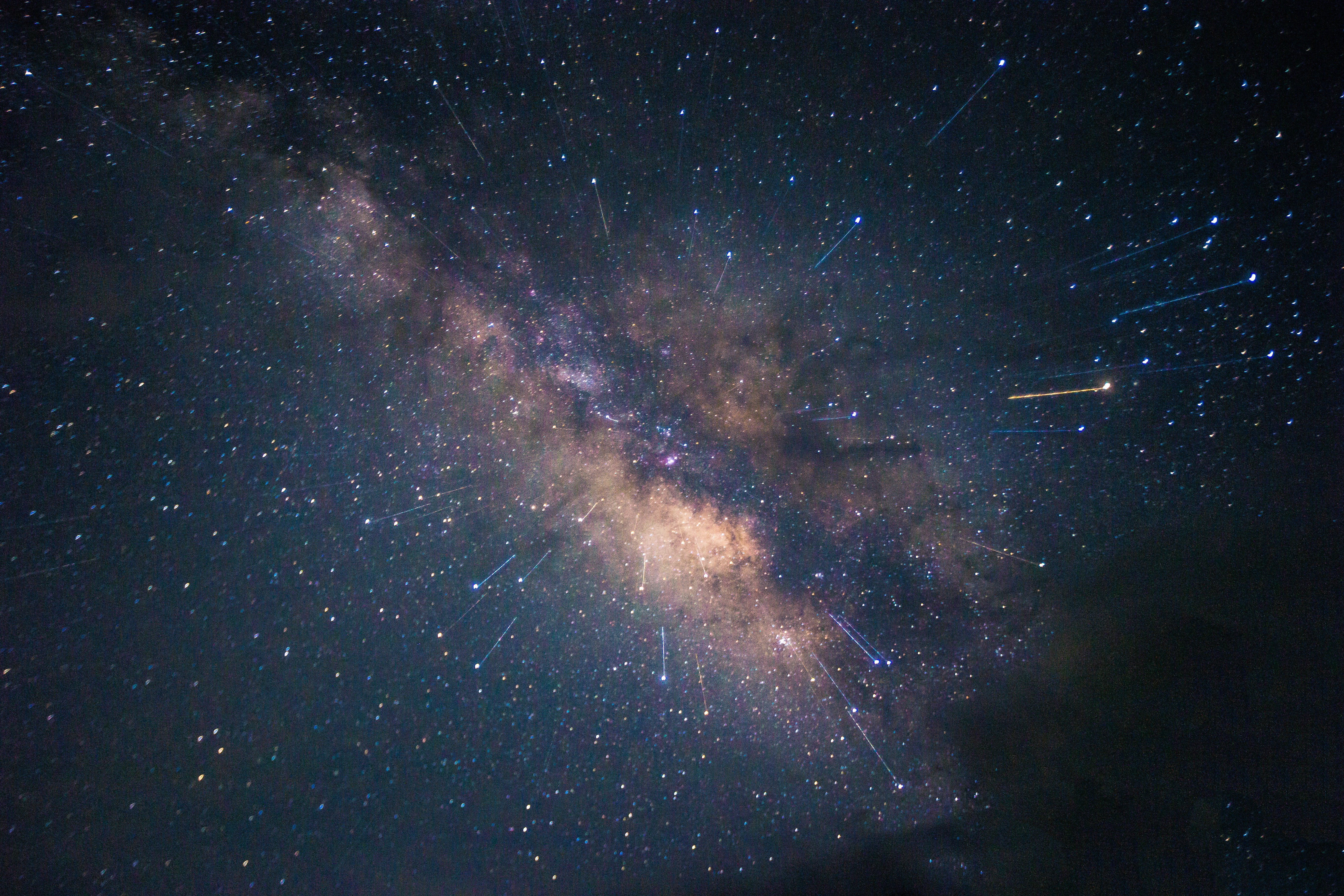
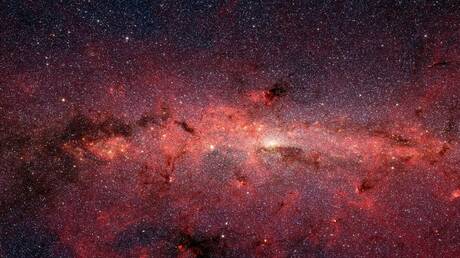
The discovery was made using the Atacama Large Millimeter/submillimeter Array (ALMA) in Chile, one of the world’s most powerful astronomical observatories. Researchers focused on a giant cloud of gas and dust known as Sagittarius B2, located near the center of the Milky Way galaxy. By analyzing the spectrum of light emitted from this region, astronomers identified the unique fingerprints of sugar molecules.
The Implications for Astrobiology
This finding holds significant implications for the field of astrobiology, as it suggests that the ingredients necessary for life, including sugars, could be widespread in the universe. This challenges previous notions that complex organic molecules could only form under specific conditions, primarily found on Earth. The discovery prompts scientists to reconsider the environments in which life might arise, encouraging further exploration into similar regions of space.
Future Research Directions
Following this discovery, researchers are eager to investigate other interstellar regions to determine whether sugars and other complex organic molecules exist elsewhere in the universe. Future studies will employ next-generation telescopes and instruments to expand our understanding of molecular biology in space. This could lead to exciting revelations about the chemical pathways that contribute to the formation of life.
Conclusion
The detection of sugar in interstellar space marks a significant milestone in our quest to understand the origins of life. As astronomers continue to explore the depths of the universe, each new discovery brings us closer to answering the age-old question: Are we alone in the cosmos? This research not only highlights the intricate connections between chemistry and biology but also inspires a new generation of scientists to look to the stars for answers.
→Astronomers have detected sugar molecules in interstellar space, enhancing our understanding of cosmic chemistry.
→The discovery suggests that essential organic compounds for life may be widespread throughout the universe.
ملاحظة تحريرية | Editorial Note: نُشر هذا المقال في الأصل بواسطة خبر - ترند. خبر (Khabr) هي منصة إعلامية أردنية مرخّصة تعمل بالذكاء الاصطناعي. نضيف قيمة تحريرية من خلال: تحليل ذكي للأخبار، ملخصات تلقائية، رواية صوتية بالذكاء الاصطناعي، ترجمة متعددة اللغات، وتدقيق الحقائق. هدفنا جعل الأخبار أكثر وضوحاً وسهولةً للقارئ العربي.
This article was originally published by خبر - ترند. Khabr is a licensed Jordanian AI-powered news platform (Registration #82086). We add editorial value through: AI-powered news analysis, automated summaries, AI audio narration, multi-language translation (Arabic, English, French, Turkish), and AI fact-checking. Our mission is to make news more accessible and understandable for Arabic-speaking audiences worldwide.