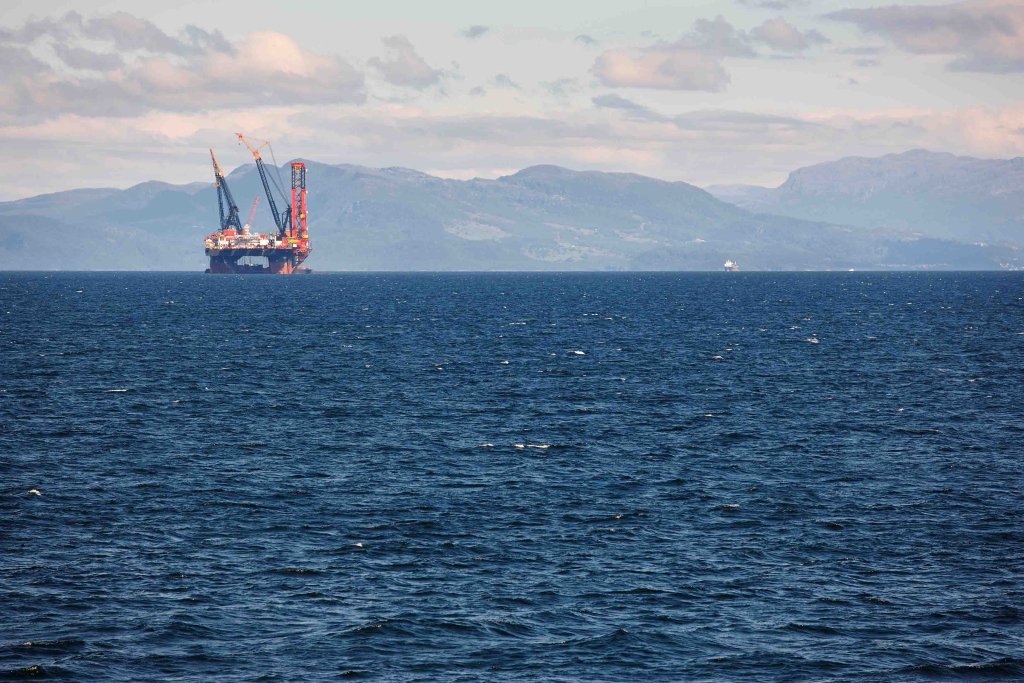
Granting Britain’s most promising oil and gas basin special tax status could increase energy security and reduce imports, a new paper argues.
The West of Shetland basin, in the Atlantic Ocean, is estimated to contain the equivalent of nearly 5 billion barrels of oil, making it “the single largest remaining domestic hydrocarbon opportunity available to the UK”. However, while it is resource-rich, it is more technically challenging than the adjacent North Sea area, researchers say.
This makes it more expensive to drill there, and the current UK policy and tax regime means it risks remaining underdeveloped. The windfall tax – introduced by the Conservatives – sees offshore operators facing levies totalling 78 per cent of their profits.
The Labour Government has extended the tax and has also banned any new exploration licences. Both policies would need to be altered for the West of Shetland area to be properly exploited, experts from the University of Aberdeen claim.
They argue the area should fall under its own fiscal regime to reflect the unique challenges of working there and to encourage investment. Campaigners against North Sea oil maintain that it is a mature basin and production has been falling for decades because most of the oil and gas have already been extracted.
But the West of Shetland (WoS) area “retains strategic significance for the UK”, with many areas still unexplored, according to the authors of peer reviewed paper, The Past, Present and Future of Oil and Gas Exploration and Production West of Shetland.
Nick Schofield, professor of igneous and petroleum geology at Aberdeen University, said: “West of Shetland is not a depleted frontier – it is a technically demanding but strategically important energy province. Our study highlights the remaining oil and gas potential in the area, which could extend the life of the UK’s oil and gas sector.”
Co-author Professor John Underhill, the university’s director for energy transition, added: “Failing to develop these domestic resources risks increasing the UK’s dependence on imports, with implications for emissions, costs, jobs, tax revenues and energy security."
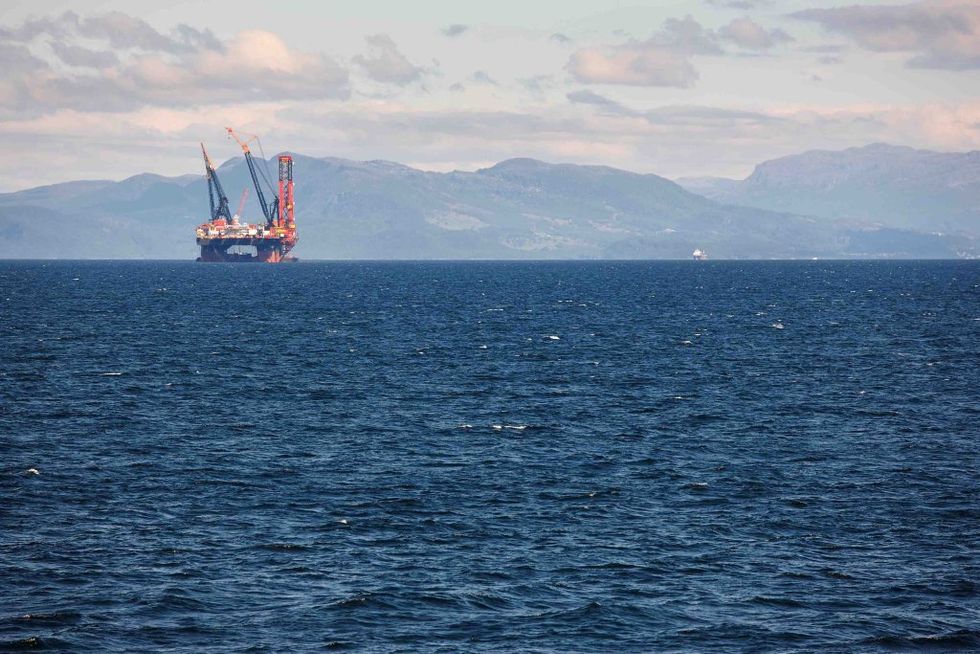
In the 2010s, 24 exploration wells were drilled in the basin. This decade, only two have been carried out, reflecting a reluctance to invest.
This risks leaving recoverable fuel in the ground, the paper, which is part of the Energy Geoscience Conference Series, says. It states: “Forecasts consistently indicate that oil and gas, especially natural gas, will remain part of the UK energy system well beyond 2050, both as an energy source and as a chemical feedstock.
“In this respect, the West of Shetland region represents the single largest remaining domestic hydrocarbon opportunity available to the UK.”
Experts say exploiting the basin would improve energy security and lessen pollution associated with imported liquified natural gas, adding: "While indigenous production cannot reverse the overall UK continental shelf decline, it can moderate it, reduce import dependence, and provide a more controlled pathway through the energy transition.
LATEST DEVELOPMENTS
- BP 'in talks to sell its North Sea holdings' after more than 60 years operating
- Relentless drive to Net Zero is trampling British industry, chemicals plant boss tells GB News
- Britons recommended to 'cycle more and eat less meat' to hit Net Zero targets
They argue financial pressures and geological constraints prevent the basin from being fully exploited. Nevertheless, “a distinct fiscal and regulatory regime tailored to WoS, recognising higher risk and capital intensity, would be a pragmatic mechanism to unlock remaining potential”.
While it would not be a “panacea” for the UK’s energy challenges, it could still play a “meaningful role”, the paper finds. A fully functioning basin would require continued innovation and a policy framework that recognised the challenges.
Yet the authors write: “If these conditions are met, WoS may be able to continue to provide domestic energy, support jobs, preserve critical skills and infrastructure during the transition, and ensure that the UK’s remaining offshore resources are developed in a manner that is both economically rational and environmentally responsible.
“Unfortunately, at the time of writing, it remains uncertain whether this paper will serve as an important reference to support future exploration activity West of Shetland or merely as an obituary.”
The Government said wherever oil and gas came from, the price was set on the international market.
A spokesman told GB News: “Issuing new licences to explore new fields cannot give us energy security and will not take a penny off bills.
"The lesson of yet another fossil fuel crisis is the UK needs to get off the fossil fuel rollercoaster and onto clean, homegrown power we control.”
It is understood there are no plans for a tailored tax framework for the West of Shetland area.
Our Standards: The GB News Editorial Charter