‘Good lord, what a smell’: can Brazil’s biggest city save a vital source of water from sewage, bacteria and organised crime?
المصدر: الغارديان - اقتصاد | Source: الغارديان - اقتصادAs São Paulo faces a climate-induced water crisis, campaigners are fighting to reverse the impact of pollution and illegal deforestation on its largest reservoir
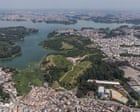
In a small motorboat laden with water-monitoring equipment, biologist Marta Marcondes and community activist Wesley Silvestre Rosa cross Billings reservoir on the far southern edge of São Paulo. Bright white herons glide over the water, which is flanked by thick dark green clusters of Brazil’s Atlantic forest, as the boat heads towards one of the more polluted parts of the reservoir.
“We see where sewage is entering, we see what has been deforested and how that has affected the water quality of the reservoir,” Marcondes says.
Continue reading...

ملاحظة تحريرية | Editorial Note: نُشر هذا المقال في الأصل بواسطة الغارديان - اقتصاد. خبر (Khabr) هي منصة إعلامية أردنية مرخّصة تعمل بالذكاء الاصطناعي. نضيف قيمة تحريرية من خلال: تحليل ذكي للأخبار، ملخصات تلقائية، رواية صوتية بالذكاء الاصطناعي، ترجمة متعددة اللغات، وتدقيق الحقائق. هدفنا جعل الأخبار أكثر وضوحاً وسهولةً للقارئ العربي.
This article was originally published by الغارديان - اقتصاد. Khabr is a licensed Jordanian AI-powered news platform (Registration #82086). We add editorial value through: AI-powered news analysis, automated summaries, AI audio narration, multi-language translation (Arabic, English, French, Turkish), and AI fact-checking. Our mission is to make news more accessible and understandable for Arabic-speaking audiences worldwide.