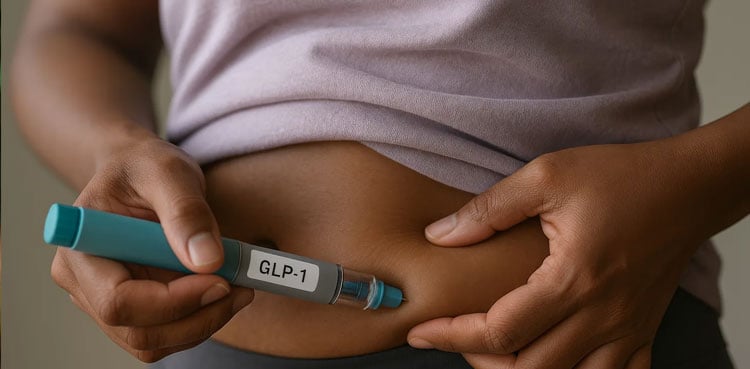
GLP-1 weight-loss drugs boom nudges cannabis dispensaries to rethink offerings
HealthGLP-1 weight-loss drugs boom nudges cannabis dispensaries to rethink offeringsBy Reuters -Apr 21, 2026The surging popularity of GLP-1 weight-loss drugs is quietly reshaping the $40 billion U.S. cannabis market, experts and industry executives said, as retailers adjust product offerings to suit changing consumer behavior tied to the therapies. Users on online forums reported diminished cravings and uncertainty about how GLP-1 therapies might influence marijuana’s aftereffects – particularly appetite-driven “munchies” – while dispensaries noted shifting customer preferences. Although the scientific data is limited, cannabis retailers are already adapting to the shift. Stoops NYC, a dispensary in New York’s Flatiron district, said it increasingly recommends lower-dose edibles, vapes or tinctures to customers on GLP-1 medications. One area of immediate interaction is digestion, as GLP-1 therapies slow gastric emptying, potentially delaying the onset of edible cannabis’ effects and increasing the risk of users consuming additional doses too soon, leading to stronger-than-expected “highs”. “As (GLP) adoption accelerates, we are exploring ways to provide clearer guidance at the point of sale,” said Wendy Bronfein, co-founder and chief brand officer at Curio Wellness. Researchers are beginning to test the link more directly now. The National Institute on Drug Abuse is sponsoring a clinical trial this year evaluating tirzepatide, the active ingredient in Eli Lilly’s weight-loss drugs, as a potential treatment for cannabis use disorder. The agency’s director, Dr. Nora Volkow, also said retrospective analyses of electronic health records showed patients with diabetes who were prescribed GLP-1 drugs such as semaglutide had significantly better health outcomes related to cannabis use disorder, compared with those on other diabetes treatments. Another trial by Brigham and Women’s Hospital is expected to start later this year. Consumer behaviour may be shifting in...المصدر: ARY News EN | Source: ARY News EN
ملاحظة تحريرية | Editorial Note: نُشر هذا المقال في الأصل بواسطة ARY News EN. خبر (Khabr) هي منصة إعلامية أردنية مرخّصة تعمل بالذكاء الاصطناعي. نضيف قيمة تحريرية من خلال: تحليل ذكي للأخبار، ملخصات تلقائية، رواية صوتية بالذكاء الاصطناعي، ترجمة متعددة اللغات، وتدقيق الحقائق. هدفنا جعل الأخبار أكثر وضوحاً وسهولةً للقارئ العربي.
This article was originally published by ARY News EN. Khabr is a licensed Jordanian AI-powered news platform (Registration #82086). We add editorial value through: AI-powered news analysis, automated summaries, AI audio narration, multi-language translation (Arabic, English, French, Turkish), and AI fact-checking. Our mission is to make news more accessible and understandable for Arabic-speaking audiences worldwide.