State of Global Oil Inventories
In the ever-evolving landscape of global energy markets, the state of oil inventories has taken center stage, significantly impacting geopolitical dynamics. Recent reports indicate that oil stockpiles are dwindling, leading to heightened prices and renewed concerns about supply stability. This scenario is particularly troubling for negotiations with Iran, a country pivotal to Middle Eastern oil production and international energy security.
Impact on Iran's Diplomatic Landscape
As global oil prices continue to soar, optimism surrounding peace talks with Iran is beginning to wane. The Iranian government has long leveraged its oil resources as a tool for economic and political influence. However, with ongoing sanctions and a tumultuous international climate, the potential for a breakthrough in diplomatic discussions seems increasingly remote.
Rising Oil Prices and Economic Implications
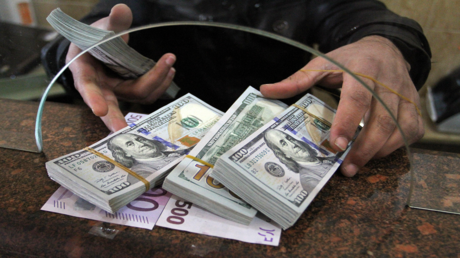
According to the latest data from the International Energy Agency (IEA), global oil inventories have dropped to their lowest levels in several years. The depletion of these reserves is not just a market concern; it has far-reaching implications for national economies, especially those heavily reliant on oil exports. Iran, facing severe economic challenges due to sanctions, finds itself in a precarious situation as external pressures mount and domestic unrest grows.
The Geopolitical Ripple Effect
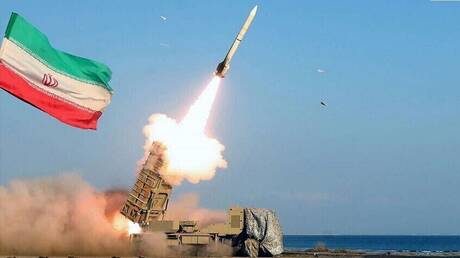
Increased oil prices can lead to broader geopolitical ramifications. Countries dependent on oil imports might experience inflationary pressures, leading to socio-political instability. For Iran, the stakes are particularly high, as its economy is intricately tied to oil exports. The potential for increased aggression or military posturing cannot be overlooked, especially if the perception of being backed into a corner grows stronger.
International Community's Role
The international community's response to the shifting oil landscape is crucial. Efforts to revive the Joint Comprehensive Plan of Action (JCPOA) have stalled, largely influenced by the current oil market conditions. Moreover, Western powers are grappling with how to balance sanctions on Iran while ensuring that their own energy needs are met. This balancing act complicates the diplomatic equation and raises questions about the future of peace initiatives.
Conclusion
In conclusion, the status of global oil inventories is more than a mere statistic; it is a critical factor that shapes the contours of international relations and peace negotiations. As the world watches the developments in Iran and the broader Middle East, the interplay between energy resources and diplomacy will remain at the forefront of global interests. Without a concerted effort to stabilize oil markets, the prospects for peace may remain dim.