Gestational diabetes is showing up earlier: What every expecting mother should know
•Weather ePaper Today’s Paper Journalism of Courage Home ePaper Politics Explained Opinion India Business Premium Cities UPSC Entertainment Sports World Lifestyle Tech Subscribe Sign In TrendingUPSC Of...
•(File Photo) Make us preferred source on Google Whatsapp twitter Facebook Reddit PRINT A young woman was flustered as she developed diabetes in the first trimester of her pregnancy.
•“Doctor, they told me I have gestational diabetes… something that is usually seen after three months.
هذا الخبر من Indian Express. خبر يقدم أدوات ذكاء اصطناعي للتلخيص والترجمة والاستماع.
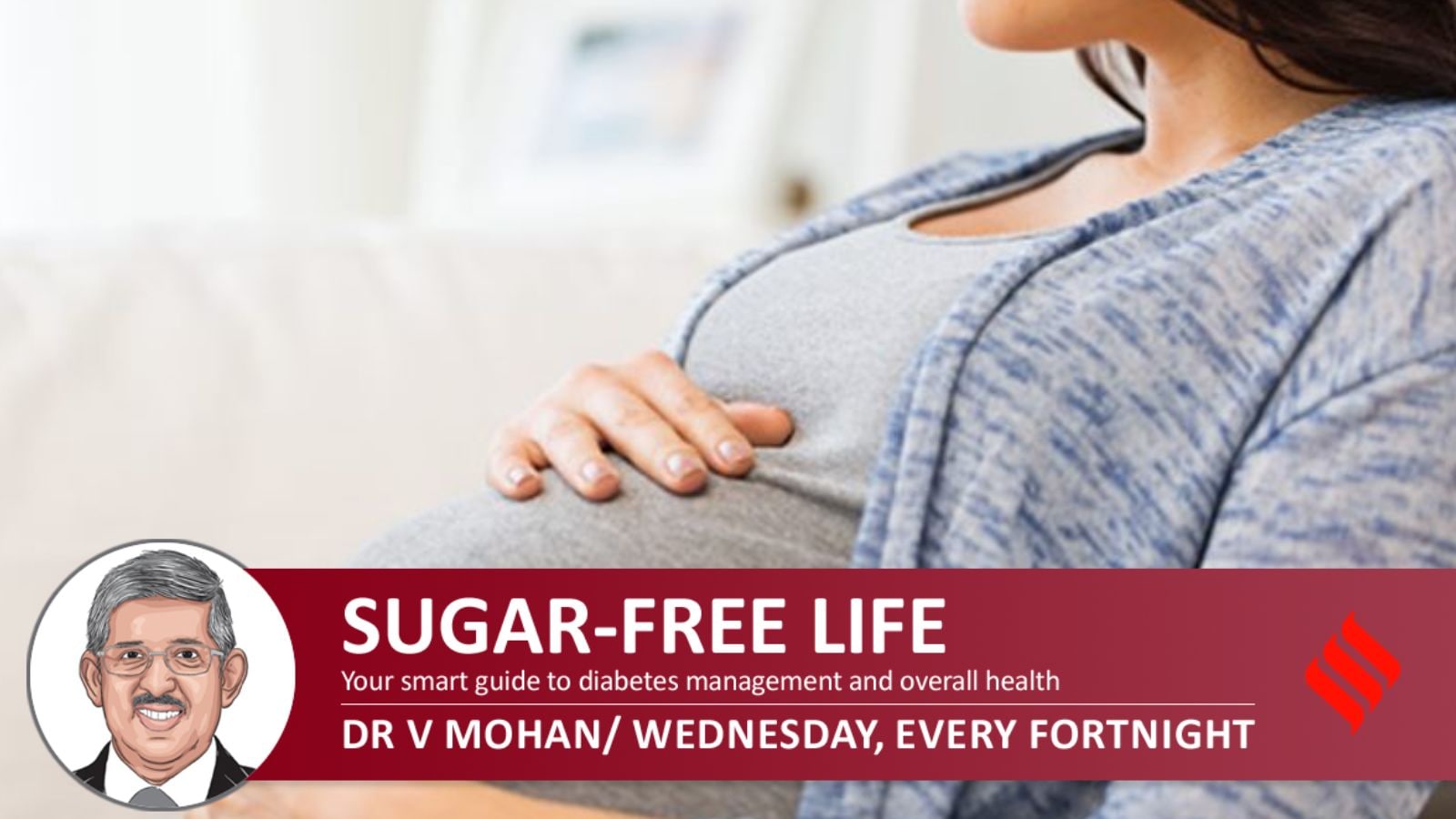
Weather ePaper Today’s Paper Journalism of Courage Home ePaper Politics Explained Opinion India Business Premium Cities UPSC Entertainment Sports World Lifestyle Tech Subscribe Sign In TrendingUPSC OfferIPL 2026US NewsPuzzles & GamesLegal NewsFresh TakeHealthResearch🎙️ Podcast Advertisement function checkAndLoadWindowSizeScript() { if (window.jQuery) { // jQuery is loaded, include your script jQuery(document).ready(function($) { // Your existing script for checking window width if (window.innerWidth) var page_w = window.innerWidth; else if (document.all) var page_w = document.body.clientWidth; if (page_w > 1024) { $(".add-left, .add-right").show(); } else { $(".add-left, .add-right").hide(); } }); } else { // jQuery is not loaded, check again after 0.2 seconds setTimeout(checkAndLoadWindowSizeScript, 200); } } // Initial call to the function checkAndLoadWindowSizeScript(); NewsHealth and WellnessGestational diabetes is showing up earlier: What every expecting mother should know Gestational diabetes is showing up earlier: What every expecting mother should know With the right diet, activity and medical guidance, you can safely negotiate your pregnancy Written by: Dr V Mohan4 min readApr 22, 2026 11:00 AM IST Gestational diabetes in early pregnancy is increasingly being diagnosed, with experts highlighting early screening, balanced diet and regular activity as key to managing risks. (File Photo) Make us preferred source on Google Whatsapp twitter Facebook Reddit PRINT A young woman was flustered as she developed diabetes in the first trimester of her pregnancy. “Doctor, they told me I have gestational diabetes… something that is usually seen after three months. Why has mine showed up so early? And I never even had diabetes. Will my baby be safe?” As I assured her that this condition can be managed, fact is gestational diabetes mellitus (GDM), when a woman’s blood sugar levels become high during pregnancy, is being increasingly diagnosed in the first trimester. Traditionally, it would show up after the third month, in the second trimester. During pregnancy, an organ called the placenta supplies nutrients and oxygen to the developing foetus. The placenta also makes hormones. In late pregnancy, the hormones estrogen, cortisol and human placental lactogen can block insulin and trigger insulin resistance. Lifestyle changes, weight gain, undiagnosed prediabetes, PCOS (polycystic ovary syndrome) and late age conception are making it appear earlier than before. Some women are more prone due to risk factors like obesity, having a family history of diabetes, or having had GDM in a previous pregnancy. But sometimes, it can happen even without any risk factors. That’s why early screening at the first visit is important. Yes, if kept under control and supported by diet and lifestyle correction. If not controlled, it can cause complications like increasing the risk of high blood pressure or difficult delivery. For the baby, it can lead to higher birth weight, early delivery or low sugar levels after birth. Also, uncontrolled sugars even in early pregnancy can affect the baby’s development. But the good news is—if we detect it early and control it well, we can prevent most of these problems. We focus on three main things — diet, physical activity, and regular monitoring. Don’t worry. You don’t need a special or expensive diet — just a balanced one. First rule: Don’t skip meals. Have three small meals and 2–3 healthy snacks to keep your sugar levels stable. Eat normal home food with some smart changes. Choose whole grains like brown rice, millets or whole wheat instead of white rice or maida. Always combine carbohydrates with protein—like dal, egg, paneer or chicken. This slows down sugar absorption. Half your plate should be vegetables — especially fibre-rich ones like greens, beans, cucumber and carrot. Fruits are allowed but in small portions — go for apple, guava, or orange. Avoid fruit juices. Imagine your plate divided into three parts—half with vegetables, one-quarter with protein, and one-quarter with carbohydrates (this bit should include fruits too). This balance helps control sugar levels effectively. Unless there are specific medical restrictions, I advise my patients to walk for about 20–30 minutes daily, especially after meals. It helps your body use sugar better. In many cases, your sugar levels return to normal after delivery. But gestational diabetes is a warning sign. Women who have had it have a higher risk of developing type 2 diabetes in the future. So, continue the same healthy lifestyle after motherhood. Get your blood sugar tested 6–12 weeks after delivery, and then once a year. Maintain a healthy weight, stay active and eat balanced meals. And remember breastfeeding helps improve your metabolism and lowers your future diabetes risk. With early screening, the right diet, regular activity and awareness, gestational diabetes is very much manageable. You can have a healthy pregnancy and protect your future health too. (Dr Mohan is chairman, Dr Mohan’s Diabetes Specialities Centre, Chennai)المصدر: Indian Express | Source: Indian Express
ملاحظة تحريرية | Editorial Note: نُشر هذا المقال في الأصل بواسطة Indian Express. خبر (Khabr) هي منصة إعلامية أردنية مرخّصة تعمل بالذكاء الاصطناعي. نضيف قيمة تحريرية من خلال: تحليل ذكي للأخبار، ملخصات تلقائية، رواية صوتية بالذكاء الاصطناعي، ترجمة متعددة اللغات، وتدقيق الحقائق. هدفنا جعل الأخبار أكثر وضوحاً وسهولةً للقارئ العربي.
This article was originally published by Indian Express. Khabr is a licensed Jordanian AI-powered news platform (Registration #82086). We add editorial value through: AI-powered news analysis, automated summaries, AI audio narration, multi-language translation (Arabic, English, French, Turkish), and AI fact-checking. Our mission is to make news more accessible and understandable for Arabic-speaking audiences worldwide.