تحليل ذكي | AI Editorial Analysis
•The escalating conflict between Israel and Iran has triggered geopolitical and economic turbulence across the Middle East.
•Although Pakistan is geographically distant from the theatre of conflict, it is among the economies most vulnerable to its economic consequences.
•For a country heavily dependent on imported energy and remittances from Gulf economies, regional instability can quickly translate into domestic economic pressures.
هذا الخبر من Express Tribune. خبر يقدم أدوات ذكاء اصطناعي للتلخيص والترجمة والاستماع.
The escalating conflict between Israel and Iran has triggered geopolitical and economic turbulence across the Middle East. Although Pakistan is geographically distant from the theatre of conflict, it is among the economies most vulnerable to its economic consequences. For a country heavily dependent on imported energy and remittances from Gulf economies, regional instability can quickly translate into domestic economic pressures.
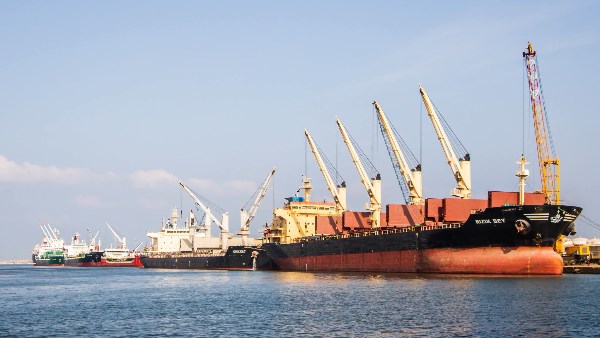
The conflict has disrupted critical energy supply routes and infrastructure in the Gulf, unsettling global oil and gas markets. Concerns about the safety of shipping routes, particularly around the strategically vital Strait of Hormuz, have heightened fears of supply interruptions. Since a significant portion of the world's oil and gas trade passes through this corridor, any disruption quickly drives volatility in global energy prices.
For Pakistan, the immediate impact is already visible in the liquefied natural gas (LNG) market. Qatar, one of the world's largest LNG exporters and a key supplier to Pakistan, has declared force majeure following production disruptions. At the same time, major global suppliers, including Shell, the world's second-largest LNG trader, have also declared force majeure on certain contracts linked to Qatari supplies. As a result, LNG cargo prices have surged dramatically.
Shipments that cost around $25 million only weeks ago are now reportedly exceeding $100 million due to supply shortages and market uncertainty. For Pakistan, which relies heavily on imported LNG to fuel its power sector and industrial activity, this surge presents a serious challenge. Several electricity generation plants in Pakistan operate on re-gasified LNG and furnace oil. As fuel costs rise in international markets, domestic electricity tariffs are likely to increase as well. However, the economic consequences extend far beyond electricity prices.
Rising global crude oil prices will also translate into higher domestic fuel prices. Petrol and diesel costs directly influence transportation, logistics and manufacturing expenses. As these costs increase, prices of essential household commodities, from food and agricultural produce to manufactured goods, are likely to rise. Farmers may face higher operating costs due to expensive fuel for irrigation, machinery and transportation.
Similarly, industries dependent on imported energy inputs or petrochemicals may pass rising production costs on to consumers. For a country like Pakistan, which imports a large share of its raw materials and intermediate goods, such increases could intensify inflationary pressures across multiple sectors of the economy.
Perhaps more concerning is the long-term nature of supply chain disruptions caused by conflict. Even if hostilities were to cease in the near future, the restoration of energy supply networks and global shipping routes could take months or even years. Supply chains are complex systems involving production facilities, shipping networks, insurance mechanisms and financial contracts. Once disrupted, these networks do not recover immediately.
For Pakistan, which already faces structural economic vulnerabilities, a prolonged disruption in global energy markets could have lasting consequences. The country's foreign exchange reserves remain modest, and the economy still depends heavily on external financing and remittance inflows. A sustained increase in energy import costs could therefore widen the current account deficit and place renewed pressure on the fiscal balance.
This shock also comes at a fragile moment in Pakistan's economic recovery. The modest macroeconomic stability achieved in recent years has come at high social cost, including high inflation, reduced household purchasing power and repeated energy price adjustments. Growth remains subdued, and many households are already struggling with rising living expenses.
In this context, a sustained surge in global energy prices could further strain both public finances and household budgets. While Pakistan has little influence over the course of the conflict or global energy markets, it must manage the domestic impact carefully. Protecting vulnerable households from rising living costs while maintaining macroeconomic stability will be essential.
المصدر: Express Tribune
| Source: Express Tribune
ملاحظة تحريرية | Editorial Note:
نُشر هذا المقال في الأصل بواسطة Express Tribune.
خبر (Khabr) هي منصة إعلامية أردنية مرخّصة تعمل بالذكاء الاصطناعي.
نضيف قيمة تحريرية من خلال: تحليل ذكي للأخبار، ملخصات تلقائية، رواية صوتية بالذكاء الاصطناعي، ترجمة متعددة اللغات، وتدقيق الحقائق.
هدفنا جعل الأخبار أكثر وضوحاً وسهولةً للقارئ العربي.
This article was originally published by Express Tribune.
Khabr is a licensed Jordanian AI-powered news platform (Registration #82086).
We add editorial value through: AI-powered news analysis, automated summaries, AI audio narration, multi-language translation (Arabic, English, French, Turkish), and AI fact-checking.
Our mission is to make news more accessible and understandable for Arabic-speaking audiences worldwide.