The headlines have become grimly familiar.
A deadly Ebola outbreak in Central Africa. A hantavirus scare aboard a cruise ship. Rising dengue infections in Europe. Bird flu spreading among mammals. Health alerts flashing across continents within hours.
For a world still psychologically shaped by COVID-19, the effect is cumulative: every new outbreak now feels like the possible beginning of another global crisis.
This week alone, the World Health Organisation declared an international health emergency over an Ebola outbreak in the Democratic Republic of Congo and Uganda that has killed more than 80 people, while separately trying to calm fears over a hantavirus outbreak linked to a Dutch cruise ship.
Scientists say the anxiety is understandable. But they also say something deeper is happening.
Humanity, experts warn, is entering an era where outbreaks may become more frequent — not necessarily because viruses are suddenly “new”, but because the world itself has changed dramatically.
Key numbers
Around 75% of emerging infectious diseases come from animals
WHO says the current Ebola outbreak has 336 suspected cases
Ebola has killed around 15,000 people in Africa over the past 50 years
Dengue cases reported to WHO rose from 500,000 in 2000 to more than 5 million in 2019
A 2026 Nature study projected climate change could contribute to an additional 123 million malaria cases in Africa between 2024 and 2050 under current control conditions
Human expansion into wildlife habitats
Experts say one of the biggest drivers behind modern outbreaks is the growing collision between humans and wildlife.
As forests are cleared, mining expands, cities spread and ecosystems shrink, humans are increasingly coming into contact with animals carrying dangerous pathogens.
Jason Rohr, a professor at the University of Notre Dame whose research focuses on environmental drivers of disease outbreaks, said biodiversity loss, climate change and ecosystem disruption are increasing disease risks globally.
Scientists refer to this process as “zoonotic spillover” — when viruses jump from animals into humans.
Ebola is believed to originate in fruit bats. Hantavirus spreads through infected rodents. Bird flu circulates in wild birds before occasionally infecting mammals and humans.
David Heymann, professor of infectious disease epidemiology at the London School of Hygiene & Tropical Medicine and former WHO assistant director-general, has repeatedly warned that growing human encroachment into wildlife habitats is creating more opportunities for dangerous spillover events.
Climate change is altering disease patterns
Scientists increasingly see climate change as a major threat multiplier.
Warmer temperatures, changing rainfall patterns and extreme weather events are affecting where mosquitoes, rodents and other disease carriers can survive.
Studies have shown climate-linked shifts in malaria transmission suitability in parts of East Africa, including highland regions of Ethiopia, Rwanda and Uganda, where cooler temperatures once limited mosquito survival.
Rachel Lowe, a climate-health expert at the Barcelona Supercomputing Centre, has warned that warming temperatures are allowing disease-carrying mosquitoes to spread into regions previously considered lower risk.
WHO has also warned that climate change is beginning to undermine decades of progress against mosquito-borne illnesses.
Researchers say dengue is also spreading into parts of southern Europe, including Spain, Italy and southern France, where warmer temperatures have improved conditions for mosquitoes that transmit the disease.
Why outbreaks spread faster now
The modern world is far more interconnected than ever before.
A virus detected in one country can become an international concern within hours because of air travel, tourism and trade.
The hantavirus outbreak aboard the Dutch cruise ship MV Hondius illustrated how quickly health scares can cross borders. Passengers and crew travelled through multiple countries before cases emerged in Europe and Canada.
The Ebola outbreak has already spread across borders between Congo and Uganda, while confirmed cases in Goma and Kinshasa have heightened fears because of dense populations and high mobility.
Conflict can worsen the situation further.
In eastern Congo, fighting involving armed groups and mass displacement have complicated contact tracing and medical access, making containment more difficult.
Why experts say outbreaks may continue
The major drivers
Climate change
Deforestation and habitat loss
Human expansion into wildlife zones
Global travel and trade
Urban overcrowding
Conflict and migration
Better disease surveillance
Growing antimicrobial resistance
Better surveillance means the world sees more outbreaks
Ironically, part of the reason outbreaks appear more frequent is because the world is now much better at detecting them.
Modern genomic sequencing, disease surveillance systems and international reporting networks allow scientists to identify outbreaks far earlier than in previous decades.
Surie Moon, co-director of the Global Health Centre at the Geneva Graduate Institute, said recent outbreaks highlight the importance of maintaining strong international health systems and coordination.
COVID-19 also transformed public awareness.
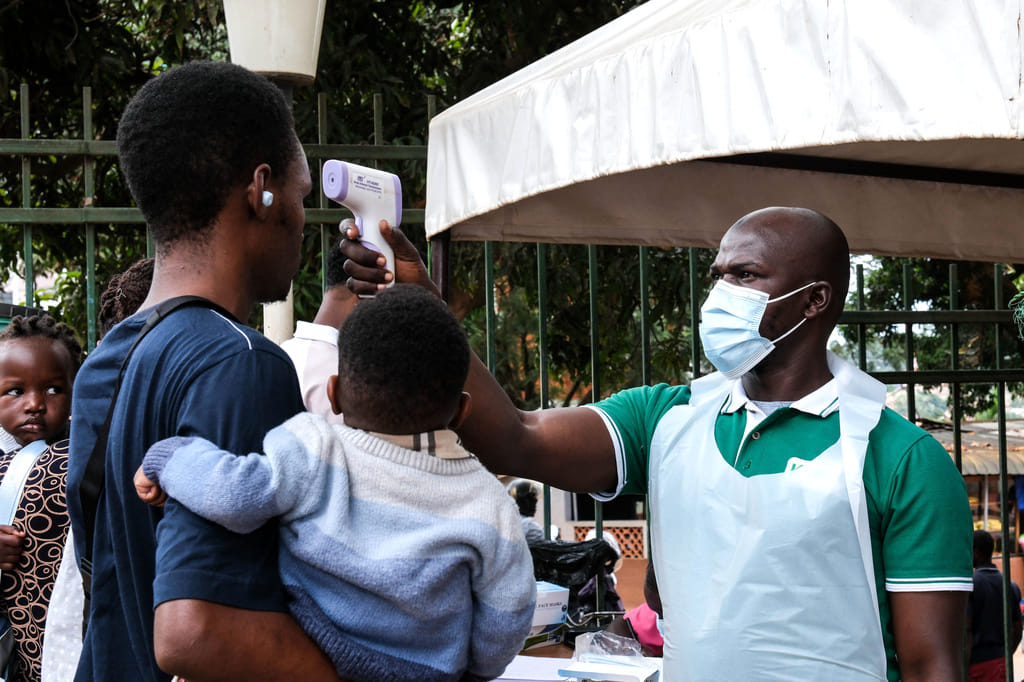
Every outbreak is now viewed through the lens of pandemic trauma. Images of quarantines, hazmat suits and WHO emergency meetings spread rapidly online, often amplifying fear before scientists fully understand the actual level of risk.
WHO chief Tedros Adhanom Ghebreyesus stressed this week that the Ebola outbreak, while serious, “does not meet the criteria of pandemic emergency”.
Not every outbreak becomes a pandemic
Experts stress that while outbreaks may become more frequent, most do not become global catastrophes.
Ebola, though highly deadly, spreads through bodily fluids rather than through the air, making it easier to contain than viruses such as influenza or COVID-19.
WHO continues to classify the hantavirus outbreak as “low risk”, despite concerns over the Andes strain’s limited human-to-human transmission capability.
Michael Osterholm, director of the Center for Infectious Disease Research and Policy at the University of Minnesota, has argued that emerging infectious diseases are becoming a permanent part of the modern global risk environment.
A new normal — but not necessarily another COVID
Public health experts increasingly believe the world is entering a period of recurring health scares.
Population growth, environmental disruption, climate pressures and global mobility mean the conditions that allow diseases to emerge are unlikely to disappear.
But scientists caution against assuming every outbreak is the start of another pandemic.
The larger challenge, they say, is learning how to respond proportionately: strengthening surveillance, investing in healthcare systems and improving international cooperation without fuelling unnecessary panic.
The reality, experts say, is that local outbreaks can now become global news within hours — even when the broader public risk remains relatively limited.
- With inputs from AFP, AP, WHO, Nature and The Guardian