From chrome to clarity: Škoda’s bold design shift
المصدر: Gulf News | Source: Gulf News“Light is the new chrome,” says Karl Neuhold, Škoda’s Head of Exterior Design. The phrase is spontaneous, an off-the-cuff personal opinion, but it could easily be a brand manifesto.
In Neuhold’s world, design is first and foremost about high functionality. Ornamental excess has its place, just not on a Škoda. Under his direction the 130-year-old Czech marque has distilled its design language while introducing new concepts of artisanal craftsmanship, expressing the idea of what it actually means today to be a carmaker from western Bohemia.
Get updated faster and for FREE: Download the Gulf News app now - simply click here.The transformation has been steady and deliberate. With a legacy that stretches back to the birth of the automobile, Škoda’s heritage was sharpened after joining the Volkswagen Group in 1991. Becoming one of Europe’s best selling brands, it established itself as the ‘thinking man’s’ choice. Now Neuhold’s team is re-examining those characteristic values of practicality and dependability, not to abandon them, but to evolve them for a digital, electric era.
The clearest expression of this shift is what they call ‘Tech-Deck Face’, the bold front signature look ditching the traditional shiny grille that’s been adorning cars ever since chrome plating was invented in the 1920s. “Like a smartphone,” says Neuhold, “it features a glossy black panel that conceals key electronic components such as the camera and radar. Illuminated vertical rib lines -create a bridge to our heritage,” he adds, “echoing the classic grille ribs of the past.”
Where others chase drama with shouty, aggressive grilles, Neuhold prefers calm. This philosophy extends beyond design. Electric mobility demands efficiency and compromise in styling, all in the name of driving range, yet for Neuhold these requirements become opportunities.
“The first glance at a car, the immediate sense of its character, colour, form, proportions, graphics and lines all evoke emotion,” he says. “When a design truly moves you, you want to drive it, you want to own it, and your emotions rise before your reason takes over.”
This definition of beauty may carry some duality of head and heart, but reason prevails when it comes to Škoda’s new ideas of premium motoring. “For our clients modern luxury means one thing: time,” he explains. “They seek more time for their families, their passions, and a balanced life. We design cars as bold companions for everyday use—attractive, modern, spacious, and highly functional.”
“Depending on the concept—whether a mainstream model, SUV, or sports car—the designer decides what to express through volumes, shapes, lines and details. In the end, it is the overall expression and character of the car that truly matter.”
In the design studios of Mladá Boleslav, Škoda’s home, the process still begins with the pencil and the clay model. “Each car passes through thousands of skilled hands,” Neuhold says. “It is craftsmanship and artisanship in the truest sense.”
Between digital modelling and physical shaping, designers refine every millimetre, testing how light grazes a shoulder line or falls across a fender. The precision recalls another Czech tradition—crystal glass. Škoda has embraced this heritage, with a glass cut motif in the headlamps called spitzstein, a traditional glass art method, as well as -cubist-inspired décor and crystal elements in the rear lights. These styling touches are about more than mere decoration: they carry a fragment of national identity, connecting these digitalised, tech-laden cars with centuries of Bohemian artistry.
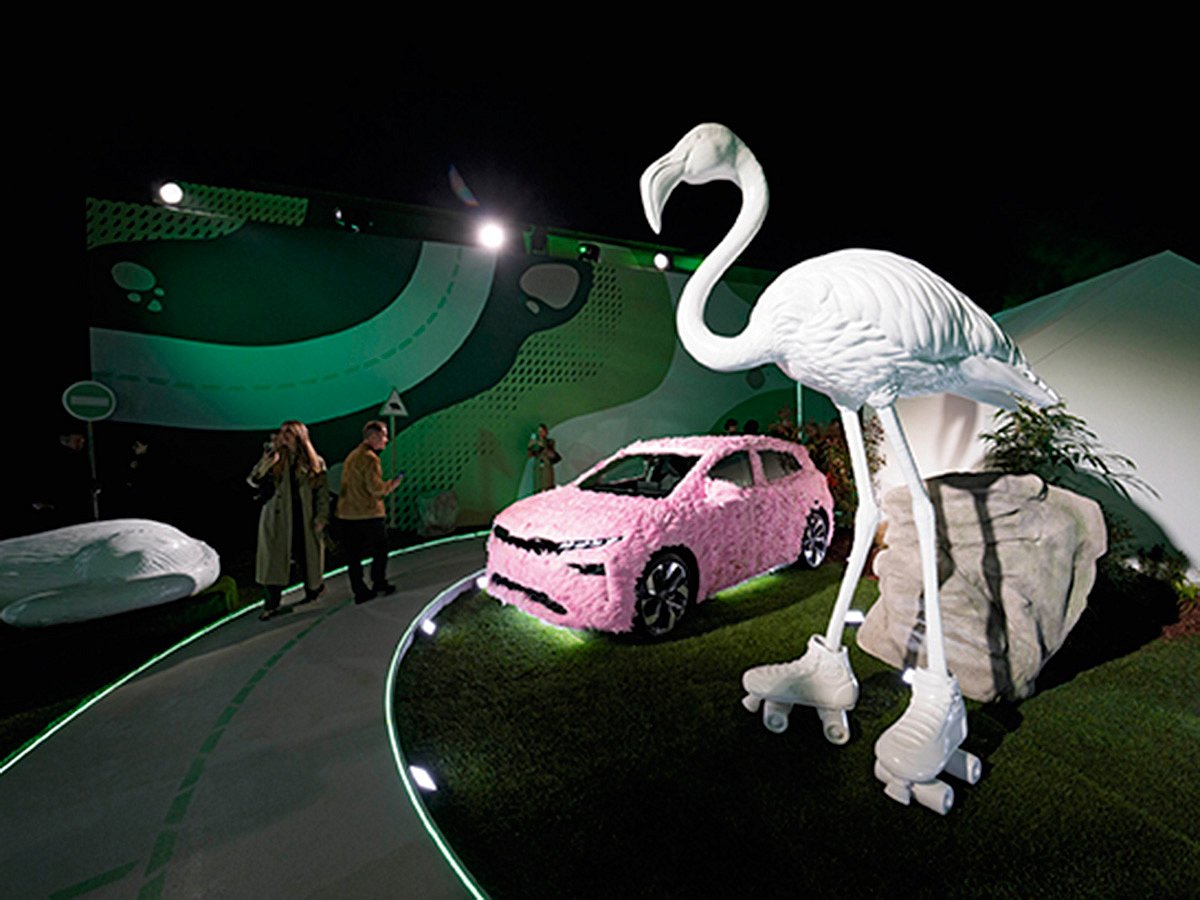
Almost as a confirmation of Škoda’s cultivated establishment, this year marked another milestone for the brand as it made its first ever appearance at Milan Design Week in a collaboration with Italian designer Marcantonio. One of Europe’s most important design events was originally founded as a furniture fair, but in recent years, more and more automotive brands have joined in. For Škoda, to stand among such company signals a new confidence.
As Neuhold talks about surfaces, shadows, and emotions, it becomes clear that his vision extends beyond cars. He’s shaping how people perceive craftsmanship and luxury. It all begins with a beam of light.
ملاحظة تحريرية | Editorial Note: نُشر هذا المقال في الأصل بواسطة Gulf News. خبر (Khabr) هي منصة إعلامية أردنية مرخّصة تعمل بالذكاء الاصطناعي. نضيف قيمة تحريرية من خلال: تحليل ذكي للأخبار، ملخصات تلقائية، رواية صوتية بالذكاء الاصطناعي، ترجمة متعددة اللغات، وتدقيق الحقائق. هدفنا جعل الأخبار أكثر وضوحاً وسهولةً للقارئ العربي.
This article was originally published by Gulf News. Khabr is a licensed Jordanian AI-powered news platform (Registration #82086). We add editorial value through: AI-powered news analysis, automated summaries, AI audio narration, multi-language translation (Arabic, English, French, Turkish), and AI fact-checking. Our mission is to make news more accessible and understandable for Arabic-speaking audiences worldwide.