⚡ عاجل: كريستيانو رونالدو يُتوّج كأفضل لاعب كرة قدم في العالم●⚡ أخبار عاجلة تتابعونها لحظة بلحظة على خبر●⚡ تابعوا آخر المستجدات والأحداث من حول العالم●
AI اقتراحات ذكية
AI مباشر|--مشاهد مباشر
862,468مقال404مصدر نشط228قناة مباشرة5,642خبر اليوم
آخر تحديث:منذ 3 ثواني
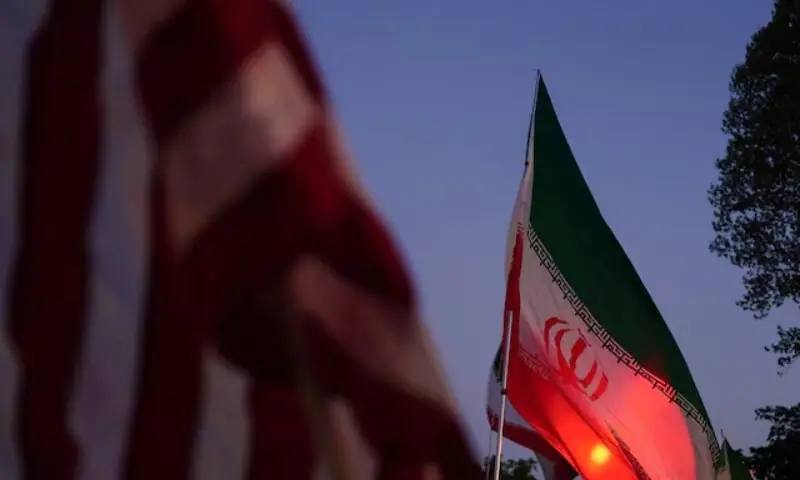
From allies to adversaries: US-Iran relations since 1979
On November 4, 1979, student activists demanding the extradition of Iran’s deposed monarch —Mohammad Reza Pahlavi, who was undergoing medical treatment in the US — take staff hostage at the US embassy in Tehran.
The move comes seven months after the establishment of the Islamic Republic of Iran.
Some 52 hostages are held for 444 days.
In April 1980, Washington breaks off diplomatic relations with Iran and imposes restrictions on commerce and travel. Nine months later, the last hostages are released.
2002: ‘Axis of evil’
On April 30, 1995, US president Bill Clinton announces a complete ban on trade and investment with Iran, accusing it of supporting terrorism.
The US cites Iran’s backing of regional groups, including Hezbollah, Hamas and Palestinian Islamic Jihad.
Foreign companies that invest in Iran’s oil and gas sector are targeted.
On January 29, 2002, US president George W. Bush says Iran, Iraq and North Korea belong to a terror-supporting “axis of evil”.
In April 2019, the US designates Iran’s Revolutionary Guard Corps, the ideological arm of its military, a “terrorist organisation”
2018: US walks out of nuclear deal
In the early 2000s, revelations of undeclared nuclear sites in Iran spark fears Tehran is trying to make nuclear weapons, claims it denies.
A 2011 report by the UN nuclear watchdog IAEA, collating “broadly credible” intelligence, says that Iran “carried out activities relevant to the development of a nuclear explosive device” until at least 2003.
In 2005, Iranian president Mahmoud Ahmadinejad ends a freeze on uranium enrichment. Tehran insists its nuclear programme is solely for civilian purposes.
A decade later, an accord with six world powers — China, France, Germany, Russia, the United Kingdom and the United States — on Iran’s nuclear programme is reached in Vienna.
It gives Tehran relief from crippling economic sanctions in exchange for guarantees that it will not make an atomic bomb. The deal is endorsed by the United Nations.
US President Donald Trump pulls out of the pact in 2018, reinstating sanctions on Iran and companies with ties to it.
A year later, Iran starts to backtrack on some of its commitments under the deal.
Diplomatic efforts fail to bear fruit. UN sanctions are reimposed on September 28, 2025. The accord lapses in October.
Trump says the sites have been “obliterated”, but the true extent of the damage is not known.
February 2026: Khamenei killed
Trump threatens to strike Iran in response to its deadly crackdown on a massive protest movement that began in late December 2025, though the focus of his threats soon shifts to Tehran’s nuclear programme.
He sends a US “armada” to the region. The two countries resume indirect talks under Omani mediation in early February 2026.
The Islamic republic vows to avenge Khamenei’s death, launching waves of missiles at its Gulf neighbours hosting US forces and effectively closing the vital Strait of Hormuz, through which one-fifth of the world’s crude flows.
April 2026: high-level talks amid shaky truce
The US and Iran reach a fragile two-week ceasefire at the start of April, with thousands killed and displaced, and the global economy severely disrupted after over a month of war.
Top delegations from the two countries are to meet on Saturday in Islamabad, Pakistan, which brokered the truce.
The teams led by US Vice President JD Vance and Iranian parliamentary speaker Mohammad Bagher Ghalibaf express mutual distrust, and remain at odds on key demands.
The ceasefire is set to expire on April 22 unless the talks reach an agreement.
ملاحظة تحريرية | Editorial Note:
نُشر هذا المقال في الأصل بواسطة Dawn.
خبر (Khabr) هي منصة إعلامية أردنية مرخّصة تعمل بالذكاء الاصطناعي.
نضيف قيمة تحريرية من خلال: تحليل ذكي للأخبار، ملخصات تلقائية، رواية صوتية بالذكاء الاصطناعي، ترجمة متعددة اللغات، وتدقيق الحقائق.
هدفنا جعل الأخبار أكثر وضوحاً وسهولةً للقارئ العربي.
This article was originally published by Dawn.
Khabr is a licensed Jordanian AI-powered news platform (Registration #82086).
We add editorial value through: AI-powered news analysis, automated summaries, AI audio narration, multi-language translation (Arabic, English, French, Turkish), and AI fact-checking.
Our mission is to make news more accessible and understandable for Arabic-speaking audiences worldwide.
هذا الخبر ضمن تغطية خبر لقسم سياسة.
نقدّم لك تحليلات ذكية وملخصات يومية لأهم الأخبار من مصادر موثوقة متعددة.
المصدر: Dawn.
يوجد 6 مقالات مرتبطة بهذا الموضوع.
This article is part of Khabr's coverage of Politics.
We provide AI-powered analysis, summaries, and multi-source aggregation to keep you informed.
Source: Dawn.
Tags: US, Iran, relations, history, diplomacy.
🍪 نستخدم ملفات تعريف الارتباط لتحسين تجربتك وعرض الإعلانات المخصصة. باستخدامك للموقع، فإنك توافق على سياسة ملفات تعريف الارتباط وسياسة الخصوصية.
We use cookies to enhance your experience and show personalized ads. By using this site, you agree to our Cookie Policy and Privacy Policy.
FREEFree 1GB Internet + Free International Calls
$1 trial — eSIM in 190+ countries — No roaming charges