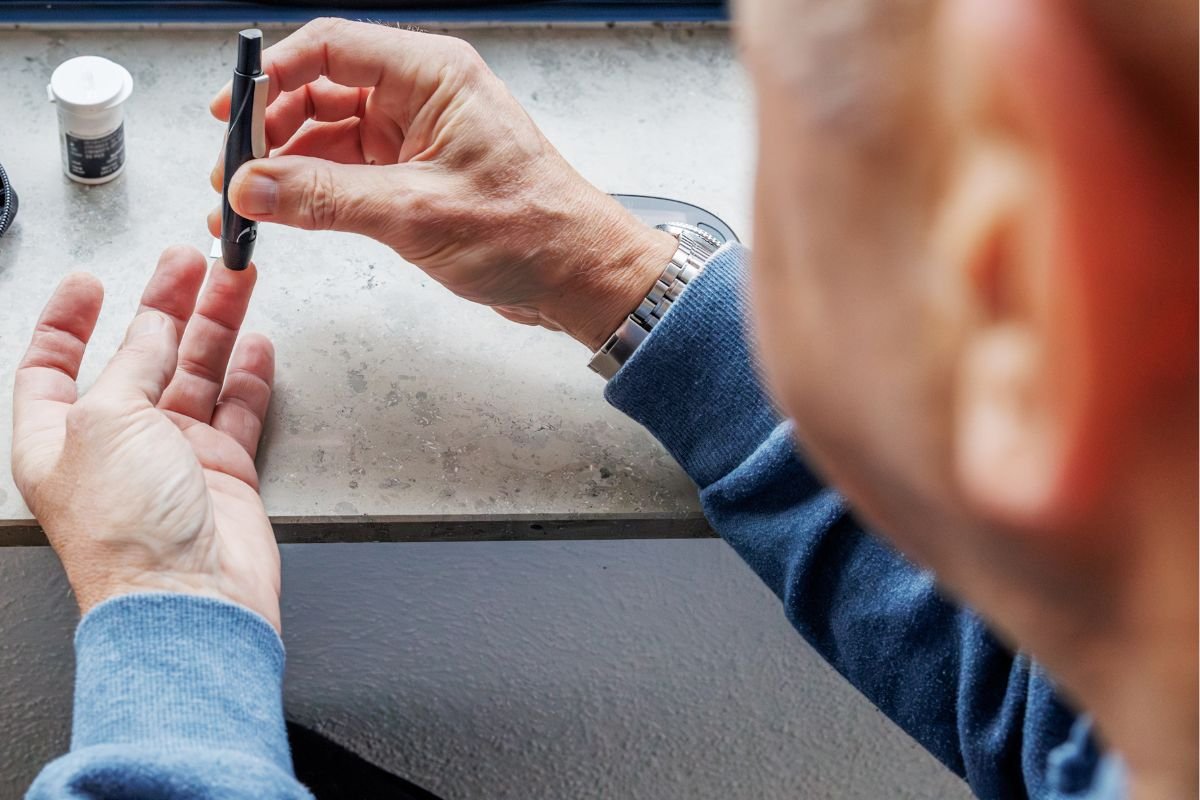
Four-minute workout could cut diabetes risk by 36% - with benefits rivalling longer exercise sessions
•A few minutes of brisk stair climbing or a quick walk to the shops could slash the risk of developing type 2 diabetes by nearly half, according to new research from the University of Sydney.The study,...
•TRENDING Stories Videos Your Say The research drew on prospective data from the UK Biobank, tracking 22,706 individuals with a mean age of 62.3 years, of whom 56.4 per cent were women.None report...
•The devices captured vigorous bursts lasting up to one minute and moderate-to-vigorous episodes of up to three minutes.Readings were deemed valid only when the accelerometer had been worn for a minimu...
هذا الخبر من GB News. خبر يقدم أدوات ذكاء اصطناعي للتلخيص والترجمة والاستماع.
المصدر: GB News | Source: GB NewsA few minutes of brisk stair climbing or a quick walk to the shops could slash the risk of developing type 2 diabetes by nearly half, according to new research from the University of Sydney.
The study, published in the journal Diabetes Care, examined data from more than 22,700 adults who did not engage in regular leisure-time exercise.
It found that short, incidental bursts of physical activity woven into daily routines were associated with a substantially reduced likelihood of developing the condition.
Led by researcher Kar Hau Chong, the findings offer a remarkably accessible message for the millions of Britons who remain physically inactive.
TRENDINGStoriesVideosYour SayThe research drew on prospective data from the UK Biobank, tracking 22,706 individuals with a mean age of 62.3 years, of whom 56.4 per cent were women.
None reported participating in leisure-time exercise at the outset and all were free of type 2 diabetes when the study began.
Participants wore accelerometers on their wrists to measure both the duration and frequency of short-lived physical activity throughout their daily lives.
The devices captured vigorous bursts lasting up to one minute and moderate-to-vigorous episodes of up to three minutes.
Readings were deemed valid only when the accelerometer had been worn for a minimum of 16 hours daily across at least three days, including one weekend day. Researchers then tracked new diabetes diagnoses over an average follow-up period of 7.9 years.
LATEST DEVELOPMENTS
- Doctor warns of missed diabetes foot symptoms - and why your shoes could be to blame
- Doctors warn of early warning sign that quietly raises women's blood pressure risk for life
- Surprising foods a dietitian says do more to lower cholesterol than oats or fish
Over the follow-up period, 665 participants went on to develop type 2 diabetes.
Those who managed a median of just 3.9 minutes per day of vigorous incidental activity saw their risk fall by 36 per cent compared with individuals who recorded none at all.
The benefits were even more pronounced for moderate-to-vigorous bursts.
A median daily duration of 25.3 minutes was linked to a 46 per cent reduction in risk relative to a minimal baseline of 3.9 minutes.
Frequency mattered too. Around 10.4 vigorous bouts daily corresponded to a 36 per cent lower risk, while the greatest reduction for moderate-to-vigorous episodes emerged at roughly 56 bouts per day.
The researchers wrote that "this evidence highlights the potential of incidental physical activity to offer a practical alternative for adults who do not exercise regularly."
They noted that interventions have centred on "creating awareness of the health benefits of micropattern activities, helping individuals identify feasible VILPA opportunities across different contexts within their existing daily routines (eg, climbing stairs or walking briskly to the shop)."
The study did acknowledge certain shortcomings. Wrist-worn accelerometers may have underestimated activity levels, particularly for movements such as walking uphill or carrying heavy loads.
The possibility of undiagnosed prediabetes at baseline, which could introduce reverse causation, was also not entirely excluded.
Our Standards: The GB News Editorial Charter


ملاحظة تحريرية | Editorial Note: نُشر هذا المقال في الأصل بواسطة GB News. خبر (Khabr) هي منصة إعلامية أردنية مرخّصة تعمل بالذكاء الاصطناعي. نضيف قيمة تحريرية من خلال: تحليل ذكي للأخبار، ملخصات تلقائية، رواية صوتية بالذكاء الاصطناعي، ترجمة متعددة اللغات، وتدقيق الحقائق. هدفنا جعل الأخبار أكثر وضوحاً وسهولةً للقارئ العربي.
This article was originally published by GB News. Khabr is a licensed Jordanian AI-powered news platform (Registration #82086). We add editorial value through: AI-powered news analysis, automated summaries, AI audio narration, multi-language translation (Arabic, English, French, Turkish), and AI fact-checking. Our mission is to make news more accessible and understandable for Arabic-speaking audiences worldwide.