Dubai: If the 21-hour US–Iran talks revealed deep divisions at the negotiating table, the reactions that followed showed an equally sharp divide in how both sides see the path forward.
From Washington, the message was firm. US Vice President JD Vance said the United States had made its position clear, stressing the need for an “affirmative commitment” from Iran that it would not pursue nuclear weapons. He described the proposal as America’s “final and best offer,” signalling that the next move lies with Tehran.
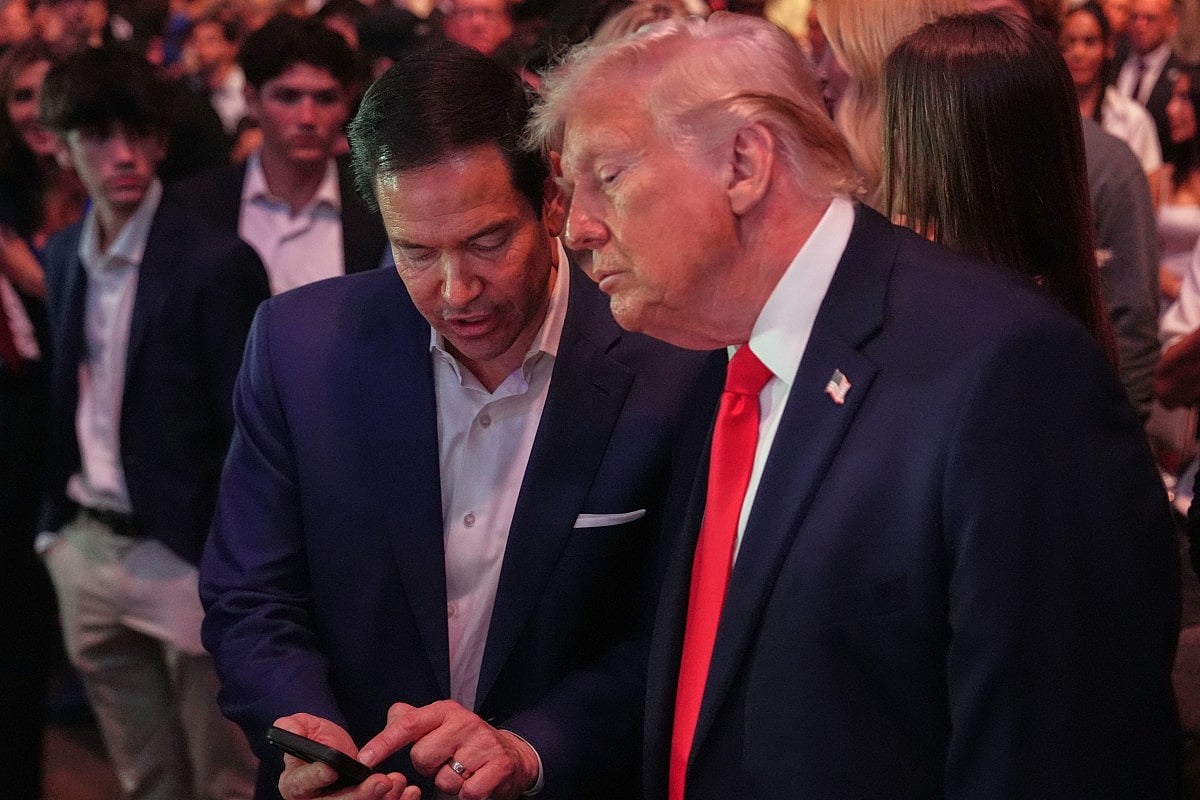
US President Donald Trump struck an even more forceful tone, suggesting the United States already holds the upper hand. “We’ve won,” he said, downplaying the importance of whether a deal is reached and reinforcing Washington’s hardline stance.
Tehran, however, told a very different story. Iranian officials dismissed US demands as “unreasonable,” arguing that Washington’s position — particularly on nuclear restrictions — left little room for compromise. Foreign ministry spokesman Esmaeil Baghaei said the talks broke down over key differences, pointing to what he described as a gap in fundamental positions.
Iran’s leadership also emphasised that expecting a breakthrough in a single round of talks was unrealistic, framing diplomacy as a longer process rather than a quick fix.
Amid the sharp exchange, Pakistan sought to keep the diplomatic door open. Foreign Minister Ishaq Dar urged all sides to uphold the fragile ceasefire and said Islamabad would continue efforts to facilitate dialogue in the coming days.
Taken together, the statements highlight not just a failed negotiation, but a widening gap in expectations — with Washington pressing for immediate commitments and Tehran signalling it is in no hurry to concede.
What they said
Public statements around the talks reflected the deep divide:
JD Vance
“We need to see an affirmative commitment…”
US Vice President JD Vance said Washington’s position hinges on a firm guarantee that Iran will not pursue nuclear weapons or retain the capability to build one quickly, calling it the US “final and best offer” and signalling the next move lies with Tehran. “We were negotiating in good faith…”
Vance said the United States entered the talks seriously but could not secure the commitment it was seeking, underscoring the fundamental gap.
Esmaeil Baghaei
“Gap between our opinions…”
Iran’s foreign ministry spokesman Esmaeil Baghaei said the talks failed over differences on “two or three important issues,” blaming what Tehran sees as US overreach on nuclear and regional demands.
Iranian leadership / state media (IRNA, IRIB)
“Unreasonable demands”
Iranian state media said the breakdown was due to excessive US demands, while insisting Tehran remains open to dialogue and that a deal in a single round was unrealistic.
Ishaq Dar
“It is imperative… uphold the ceasefire”
Pakistan’s Foreign Minister Ishaq Dar said it was essential for all sides to maintain the fragile truce and added that Islamabad would continue to facilitate dialogue in the coming days.
Donald Trump
“We’ve won… whether we make a deal or not”
US President Donald Trump said the United States already holds the upper hand militarily, highlighting the gap between battlefield confidence and diplomatic complexity.
Benjamin Netanyahu
“There is still a lot more to do…”
Israeli Prime Minister Benjamin Netanyahu signalled the campaign was far from over, saying military operations would continue despite diplomatic efforts, underscoring the gap between battlefield realities and ongoing negotiations.
Mohammad Bagher Ghalibaf
“Negotiations met with failure and broken promises”
Iran’s Parliament Speaker Mohammad Bagher Ghalibaf said past dealings with Washington have fuelled Tehran’s mistrust, reinforcing caution in current talks.