‘Extremely concerned’: Aid worker warns of mounting crisis as suspected Ebola deaths pass 200
•The Ebola outbreak in the Democratic Republic of Congo has now resulted in more than 200 suspected deaths and more than 850 suspected infections, presenting what aid organisations describe as an enorm...
•TRENDING Stories Videos Your Say The York-based humanitarian worker expressed deep alarm about logistical obstacles hampering the relief operation."I am extremely concerned about the inability to...
•says something about the state of the world right now," White observed.Compounding these medical limitations, the outbreak's epicentre lies within a conflict-affected zone, severely restricting access...
هذا الخبر من GB News. خبر يقدم أدوات ذكاء اصطناعي للتلخيص والترجمة والاستماع.
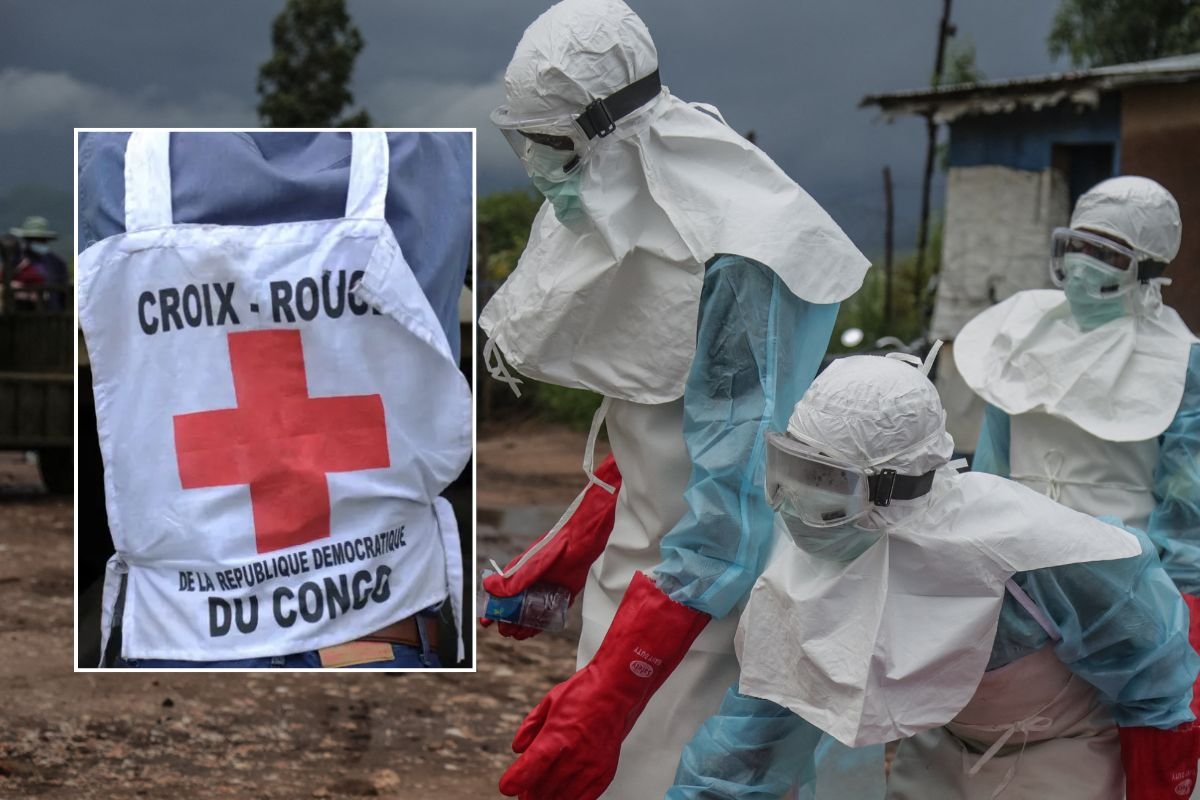
المصدر: GB News | Source: GB NewsThe Ebola outbreak in the Democratic Republic of Congo has now resulted in more than 200 suspected deaths and more than 850 suspected infections, presenting what aid organisations describe as an enormous humanitarian challenge.
The World Health Organization has designated the crisis a public health emergency of international concern, warning that the virus may be spreading more rapidly than initially anticipated.
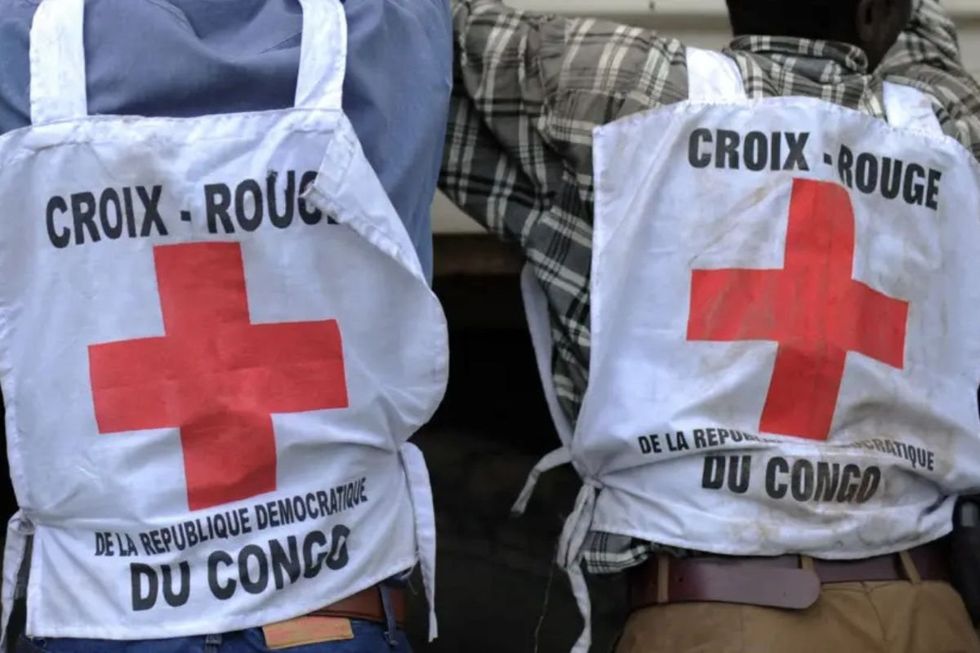
Among the earliest confirmed fatalities were three Red Cross volunteers who contracted the disease whilst handling bodies of the deceased earlier this month.
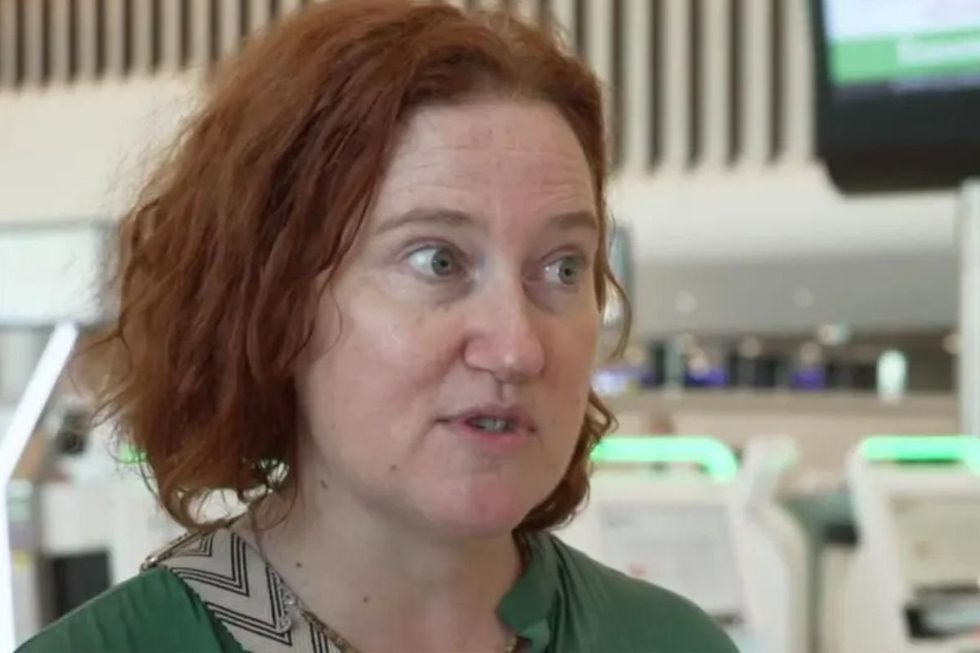
Kate White, a programme manager at Médecins Sans Frontières, left Manchester Airport on Sunday to join the international response effort.
TRENDINGStoriesVideosYour SayThe York-based humanitarian worker expressed deep alarm about logistical obstacles hampering the relief operation.
"I am extremely concerned about the inability to get resources" to the affected nation, White stated.
She highlighted that airspace restrictions were creating significant barriers to transporting medical personnel and essential supplies into the region.
"The pure volume of what we need to get in right now is massive," she added.
LATEST DEVELOPMENTS
- Surgeons perform UK-first brain aneurysm surgery via eye socket in ‘significant step forward’
- Ebola outbreak went undetected 'for several weeks' as death toll rises, medical expert suggests
- 'Watch the borders': Ebola expert warns deadly new strain could reach UK
The deaths of the Red Cross workers underscored the dangers facing those on the front line.
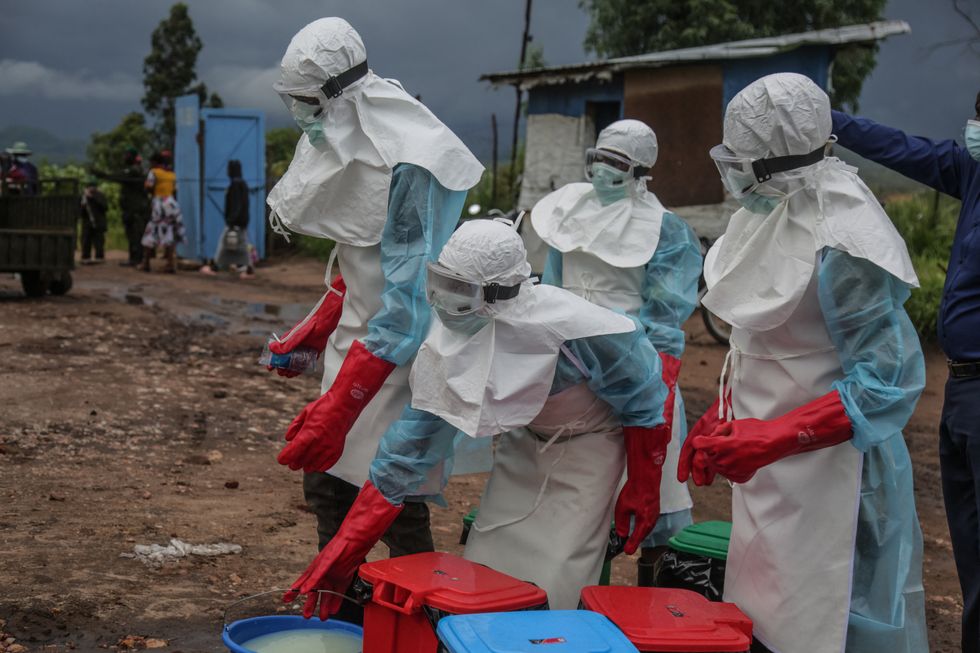
"It really reinforces the need to make sure that we have all of the protective measures in place," White said.
This particular outbreak poses exceptional difficulties for medical teams.
The virus belongs to a rare Ebola species for which no approved vaccine currently exists, though experimental versions remain under development.
Furthermore, no drugs specifically target this strain, rendering treatment considerably more challenging.
"In terms of how many years we have been seeing these outbreaks for and we still don't have comprehensive medical countermeasures... says something about the state of the world right now," White observed.
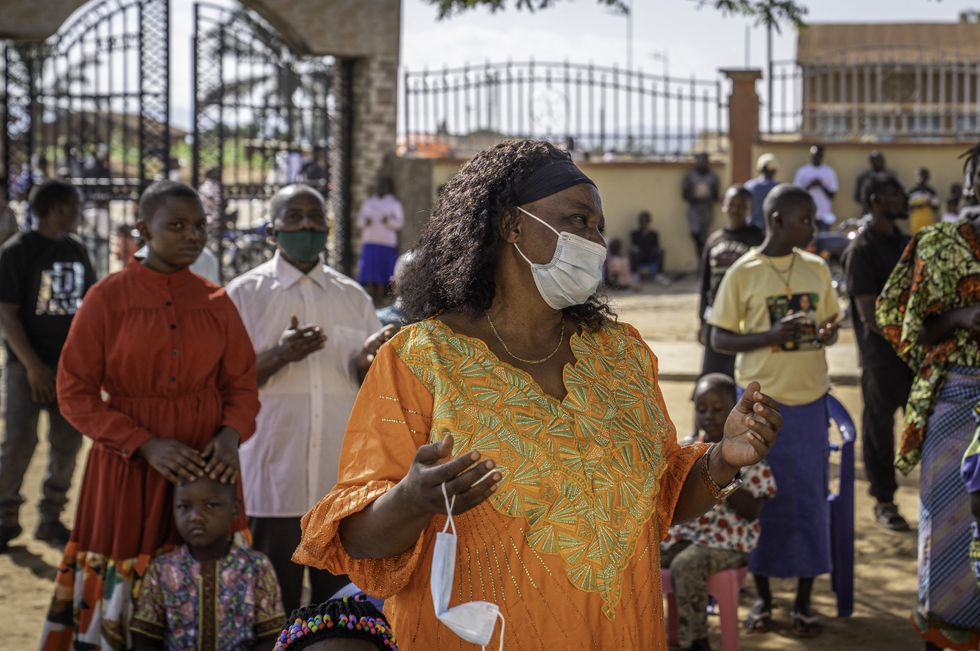
Compounding these medical limitations, the outbreak's epicentre lies within a conflict-affected zone, severely restricting access for humanitarian workers attempting to contain the spread.
White, who has responded to previous Ebola epidemics across Africa, explained that delayed identification of the outbreak had created significant complications for containment efforts.
"This has been going on for a substantive period of time before it was picked up, which means we don't fully understand the chains of transmission," she said.
"When we don't fully understand that, it becomes much more difficult to get it under control."
The MSF programme manager also stressed the urgent need for enhanced diagnostic capabilities across all affected geographical areas.
"We want to be able to discharge them as soon as they recover from it so they can go back to their families and we're not there yet," she added.
Our Standards: The GB News Editorial Charter
ملاحظة تحريرية | Editorial Note: نُشر هذا المقال في الأصل بواسطة GB News. خبر (Khabr) هي منصة إعلامية أردنية مرخّصة تعمل بالذكاء الاصطناعي. نضيف قيمة تحريرية من خلال: تحليل ذكي للأخبار، ملخصات تلقائية، رواية صوتية بالذكاء الاصطناعي، ترجمة متعددة اللغات، وتدقيق الحقائق. هدفنا جعل الأخبار أكثر وضوحاً وسهولةً للقارئ العربي.
This article was originally published by GB News. Khabr is a licensed Jordanian AI-powered news platform (Registration #82086). We add editorial value through: AI-powered news analysis, automated summaries, AI audio narration, multi-language translation (Arabic, English, French, Turkish), and AI fact-checking. Our mission is to make news more accessible and understandable for Arabic-speaking audiences worldwide.