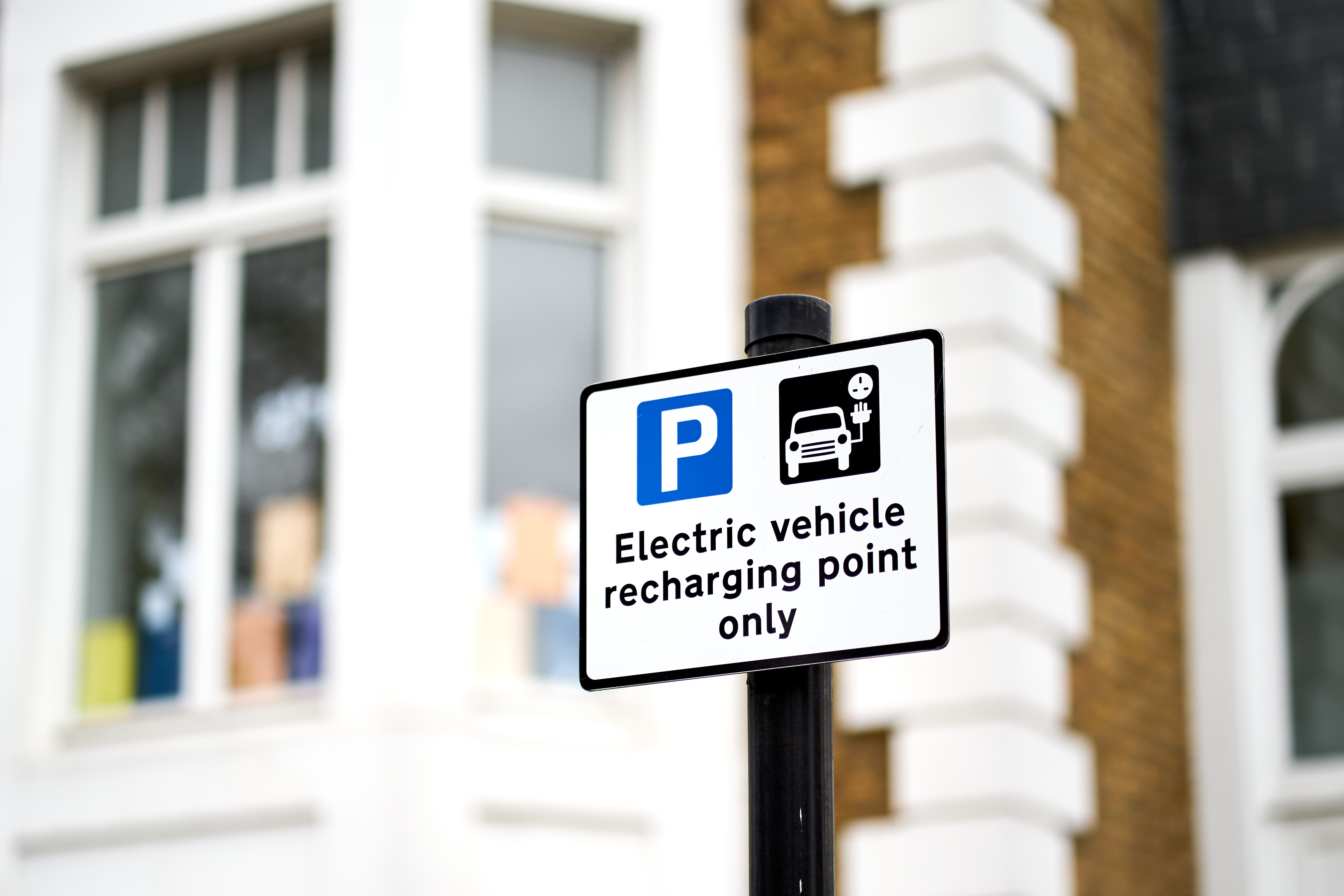
The UK's electric car charging network could fail to keep up with soaring demand, raising concerns that infrastructure shortages could undermine the Government's push towards mass EV adoption despite new incentives encouraging drivers to go electric.
The Zero Emission Vehicle mandate requires manufacturers to ensure that 33 per cent of all new cars sold in 2026 are fully electric, while updated advisory fuel rates continue to make EVs more attractive for businesses and employees.
New research has found that the number of ultra low emission vehicles on UK roads grew far faster than the rollout of public charging points over the past year, leaving more drivers competing for access to chargers.
According to the report, the UK's ultra low emission vehicle fleet increased by 33 per cent year-on-year, reaching 2.84 million vehicles by the end of 2025, although public charging infrastructure grew by just 22.8 per cent during the same period.
As a result, the average number of electric vehicles sharing each public charger increased from 30.6 to 33.1, highlighting the growing strain on the UK's charging network.
The findings suggested that while Government policies are accelerating EV adoption, infrastructure investment is struggling to keep pace.
The pressure could intensify further following changes to HMRC's advisory fuel rates, as employees using public charging points can claim 15p per mile in reimbursement, compared with 7p per mile for charging at home.
The change has been designed to better reflect the higher costs associated with public charging and to provide greater certainty for businesses operating electric vehicle fleets.

Combined with the ZEV mandate, which is steadily increasing the number of electric vehicles entering the market, the incentives are expected to drive further growth in EV ownership over the coming years.
More than half of all electric vehicles registered in the UK, around 50.6 per cent, are company-owned vehicles rather than privately owned cars.
Corporate fleets have been a major contributor to EV growth, helped by favourable tax treatment and lower operating costs.
Private EV registrations increased by 41 per cent over the past year, compared with a 26 per cent rise among company-owned vehicles.
LATEST DEVELOPMENTS
- Rachel Reeves blamed for allowing 'opportunistic profiteering' on soaring petrol and diesel prices
- Thousands of drivers to benefit from car tax 'holiday' with motorists paying just £1
- Motorist with genetic eye disorder jailed and stripped of driving licence for life after killing pensioner
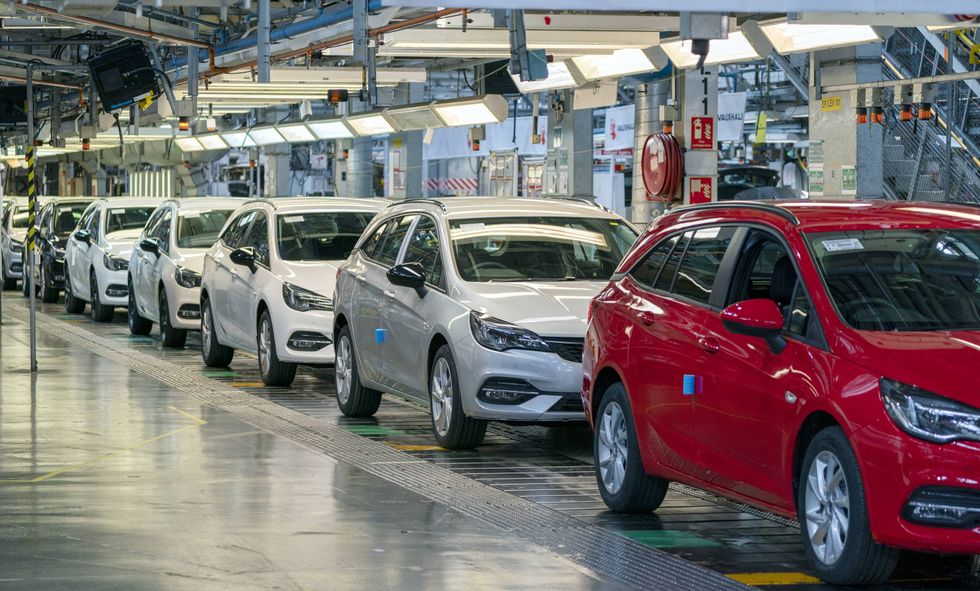
This shift means a growing number of households are relying on public charging infrastructure at a time when demand from business users is already increasing.
Tom Preston, chief executive of Hippo Leasing, said: "Businesses across the UK are embracing electric vehicles at a remarkable speed, and our own lease data shows nearly 20 per cent growth in EV business deals in a single year.
These cars are being driven day-to-day across every corner of the UK, proving that the corporate green transition is far more widespread than the official postcode maps suggest."
The strain on the charging infrastructure was not evenly spread across the country, as some local authorities have seen particularly sharp increases in electric vehicle ownership without corresponding growth in charger availability.
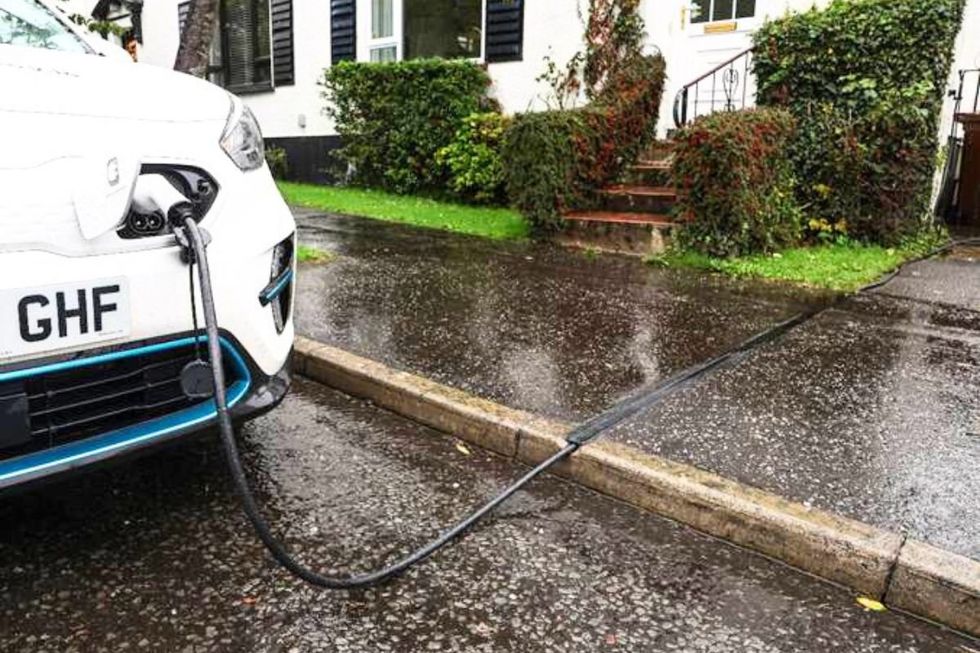
A surge in corporate fleet registrations caused the ratio of electric vehicles to public chargers to jump from 36 vehicles per charger in 2024 to 184 vehicles per charger by October 2025 in Cheshire West and Chester.
The figures have raised concerns about the emergence of so-called "charging deserts" in areas where EV adoption is accelerating rapidly, but charger deployment remains limited.
However, Mr Preston warned that the charging network risks becoming a barrier to further adoption, noting: "This report shows that in too many areas, the charging network simply isn't keeping up."
The research also challenges assumptions that EV growth is concentrated in southern England. Northern and southern England both recorded identical electric vehicle fleet growth of 31.7 per cent over the past year, with commercial EV density remaining broadly similar across both regions.
Our Standards: The GB News Editorial Charter