Europe ‘approaching energy crisis territory’ as gas levels dip to ‘historically low’ levels
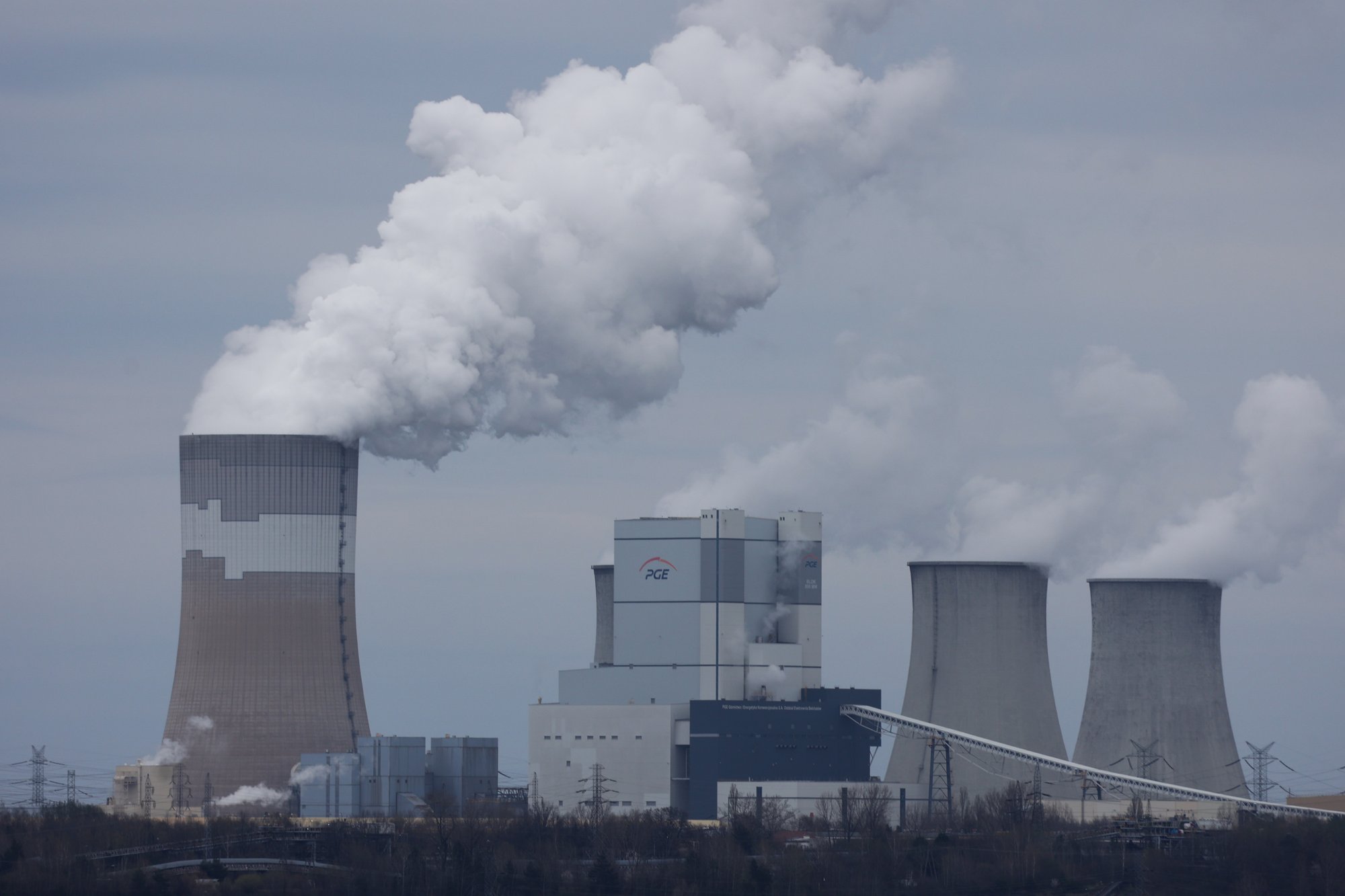
•Europe is “approaching energy crisis territory” with gas stockpiles at historic lows, analysts have warned.
•The continent is set to hit winter with gas storage at three quarters full, compared to a 90 per cent average over the past five years.Supplies have been run down because of the war in Iran and the cl...
•Currently, across Europe, gas storage facilities are around half full.
هذا الخبر من GB News. خبر يقدم أدوات ذكاء اصطناعي للتلخيص والترجمة والاستماع.
المصدر: GB News | Source: GB NewsEurope is “approaching energy crisis territory” with gas stockpiles at historic lows, analysts have warned.
The continent is set to hit winter with gas storage at three quarters full, compared to a 90 per cent average over the past five years.
Supplies have been run down because of the war in Iran and the closure of the Strait of Hormuz, with up to a fifth of the world’s supply disrupted.
Currently, across Europe, gas storage facilities are around half full.
TRENDINGStoriesVideosYour SayThis is “an historically low level at this time of the year”, according to energy consultancy Wood Mackenzie.
At the same time, demand in Asia has rebounded to 2025 levels, meaning competition with Europe is growing.
Massimo Di-Odoardo, Head of Gas and LNG Research at Wood Mackenzie, said that, even in a best-case scenario, European storage might only be 75 per cent full by November.
“That’s well below the 90 per cent average of the past five years ahead of winter,” he said.
He warned delays to the reopening of the Strait of Hormuz would “pile on more pressure”.
He explained: “European storage levels would struggle to reach even 70% capacity were the closure to be extended by another two months.
“Europe competing with Asia for limited cargoes throughout the winter would drive prices higher still.”
He said the issues weren’t as severe as 2022, when Russia’s invasion of Ukraine sent gas prices soaring.
LATEST DEVELOPMENTS
- 'Overwhelming' case for drilling at UK's biggest untapped oil field
- Andy Burnham must maximise the North Sea if he is serious about British industry, experts say
- Ed Miliband's replacement holds 'constructive' talks in Aberdeen as Labour mulls opening North Sea
In part, this was down to more renewables in the energy mix.
“Nevertheless, Europe is approaching energy crisis territory,” he said.
The UK has traditionally relied less on storage, in part because it has North Sea reserves.
But the issue of storage capacity in the UK came to a head at the start of the Iran conflict, when it was claimed the country had just two days of supply remaining.
The Government dismissed these fears as “scaremongering”, pointing out that our gas was readily replenished, both from the North Sea and from imports.
But last week Gary O’Shea, chief executive of British Gas owner, Centrica, warned: “European gas storage levels are low. UK gas storage levels are incredibly low.
“If it’s not a warm winter, then there’ll be problems, and the problems will be associated with having less gas in storage.”
Centrica owns Rough, a storage facility in the North Sea.
But it plans to close it next year without Government guarantees on gas prices.
Rough accounts for six of the UK’s estimated 12 days of gas storage capacity.
Centrica says an expanded facility would bolster UK energy security, lower our exposure to volatile prices and support jobs.
The Government says the expansion is a commercial decision for Centrica.
Andy Mayer, energy analyst at the Institute of Economic Affairs, said that the UK had long relied on the North Sea over the large-scale storage facilities seen in Europe.
But a hostile stance to drilling had made this approach less effective.
He said: “Having abandoned new drilling for Net Zero, successive Governments have kicked the can down the road on addressing this risk.
“They don’t want to build new storage facilities because that signals a long-term future for gas power.
“They don’t want either new North Sea sites, or onshore fracking, which sit at odds with virtue signalling UK leadership on tackling climate change.
“We are then increasingly exposed to shocks from global events like the Gulf and Ukraine crisis, which raise prices.
“The best solutions, boringly, are approving those fields ready to come on stream, and persuading current and future investors that it’s worth sticking with the UK despite the last 25 years of hostility.
“The second best short-term are floating storage and regasification units, favoured by other energy-poor low development countries, which can be deployed in 6-12 months.
“While long-term we will need solutions like Rough which take at least 3-5 years but hold 50-60 times the capacity. That’s assuming the Government stops lawfare opposition from Net Zero groups.
“Or we could do both, using the receipts from new field taxes to fund the projects.”
The Government has insisted the UK has a ready and diverse supply of energy. It pointed out that last winter, gas from storage was used for less than five per cent of total consumption.
A spokesman for the Department for Energy Security and Net Zero said: “The UK has diverse and resilient energy supply. Gas will continue to play a key role as we transition to more secure, clean homegrown energy.”
Our Standards: The GB News Editorial Charter


ملاحظة تحريرية | Editorial Note: نُشر هذا المقال في الأصل بواسطة GB News. خبر (Khabr) هي منصة إعلامية أردنية مرخّصة تعمل بالذكاء الاصطناعي. نضيف قيمة تحريرية من خلال: تحليل ذكي للأخبار، ملخصات تلقائية، رواية صوتية بالذكاء الاصطناعي، ترجمة متعددة اللغات، وتدقيق الحقائق. هدفنا جعل الأخبار أكثر وضوحاً وسهولةً للقارئ العربي.
This article was originally published by GB News. Khabr is a licensed Jordanian AI-powered news platform (Registration #82086). We add editorial value through: AI-powered news analysis, automated summaries, AI audio narration, multi-language translation (Arabic, English, French, Turkish), and AI fact-checking. Our mission is to make news more accessible and understandable for Arabic-speaking audiences worldwide.